


Trekking vs Touring What’s Best for Your Holiday in Nepal
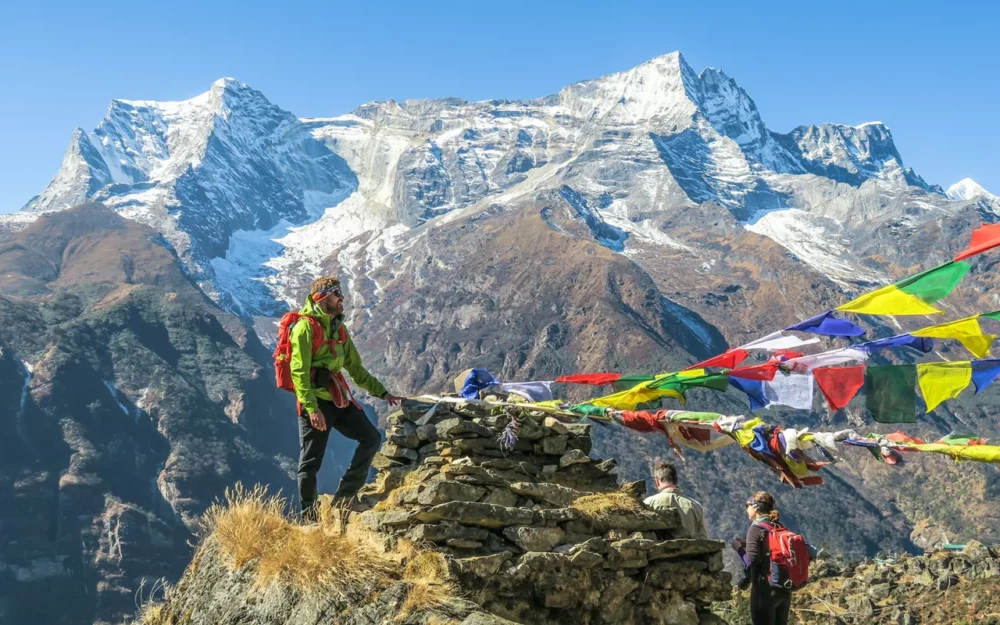
When planning your holiday to Nepal, your choice to trek or tour depends on your interests. Trekking offers an immersive experience in the majestic Himalayas and remote villages, ideal for active travelers seeking to explore Nepal’s natural beauty. Touring concentrates more on UNESCO World Heritage sites, cultural and historical stops. Touring is also more leisurely with a guide.
Because of the beautiful scenery, Nepal receives a large number of trekkers and cultural tourists from every corner of the world. You will get all travel styles suiting your preferences whether you go for trekking in the Himalayas or visit ancient temples and city areas. The differences provide a unique and versatile travel experience for someone looking for adventure or cultural tourism.
Trekking in Nepal is typically referred to as multi-day on the trail, often traversing rough foot paths and to considerable altitude that connects purposefully with nature and local communities. Trekking physically does require a slight level of fitness, prep, and builds stamina but can offer some amazing sights that will forever imprint in one’s memory.
Tours on the other hand allow you to visit with a guide in cultural sites, National Parks, and cities like Kathmandu and Pokhara. Tours are good options for you if you have limited time and you want to travel in a more relaxed and comfortable way. One of the main benefits of tours in Nepal is that you will be able to experience the richness of spiritual and historical places in Nepal without walking.
At the end, to have a perfect holiday in Nepal the choice between trekking and touring depends on your interests, time constraints, and level of fitness. Both options will amaze you with lifelong memories.
What is Trekking in Nepal?
Trekking in Nepal is usually a multi-day trip involving hiking in mountainous terrain. Treks often last between a couple of days to weeks. Trekkers follow well-established trails through changing landscapes, traditional villages, and the breathtaking high Himalayas, stopping overnight in lodges or teahouses listed in this route.
Popular trekking routes:
Everest Base Camp
The Everest Base Camp trek can take on average between 10-14 days and covers an estimated 75-kilometer distance starting from the town of Lukla. The trek gives trekkers awe-inspiring views of Everest and other 8000-meter high peaks as trekkers walk through Sherpa villages and high altitudes in the Khumbu region.
Annapurna Circuit
The Annapurna Circuit trek is recognized as one of the classic trek routes around the Annapurna massif. The typical trekking time is 15-20 days with an estimated 160-230 kilometer distance depending upon which route you choose. It is famous for its diverse ecosystems and cultural richness, as it crosses the Thorong La Pass at 5,416 meters, three high-altitude regions from the paddy growing subtropical forests to alpine zones with panoramic mountain views waiting for trekking to explore.
Langtang Valley
The Langtang Valley trek is another popular trek in the Langtang region, close to Kathmandu. This trail is known for its tranquil trails and the trek will last for 7 to 10 days. The trails will pass through beautiful rhododendron forests and a traditional Tamang village, offering an amazing view of Langtang Lirung. This trek is a good option for trekkers who want to connect with nature and culture at the same time.
Poon Hill
Poon Hill trek is one of the easiest short treks located in the proximity of Pokhara. This trek lasts for 4 to 5 days in the Annapurna region and will offer you an amazing sunrise view. In this trek, you will get to know about the Gurung and Magar culture, making it a lifetime memory.
Physical fitness is important for trekking since some trails are quite steep. Altitude sickness is a common risk that can occur above 2,500 meters, and for this reason, trekkers should be aware of proper acclimatization. Many trekkers will require permits to trek the trails, It is also recommended to hire guides and porters for safety, logistical navigation, and carrying your gear.
What is Touring in Nepal?
Touring in Nepal is culturally engaging, consists of guided day tours, and entails walking lightly on nature trips focused on visiting historical sites, temples, and local customs with some nature walks. Touring is the best way to enjoy Nepal’s rich culture comfortably without the hard trekking.
Popular destinations for touring:
Kathmandu Valley
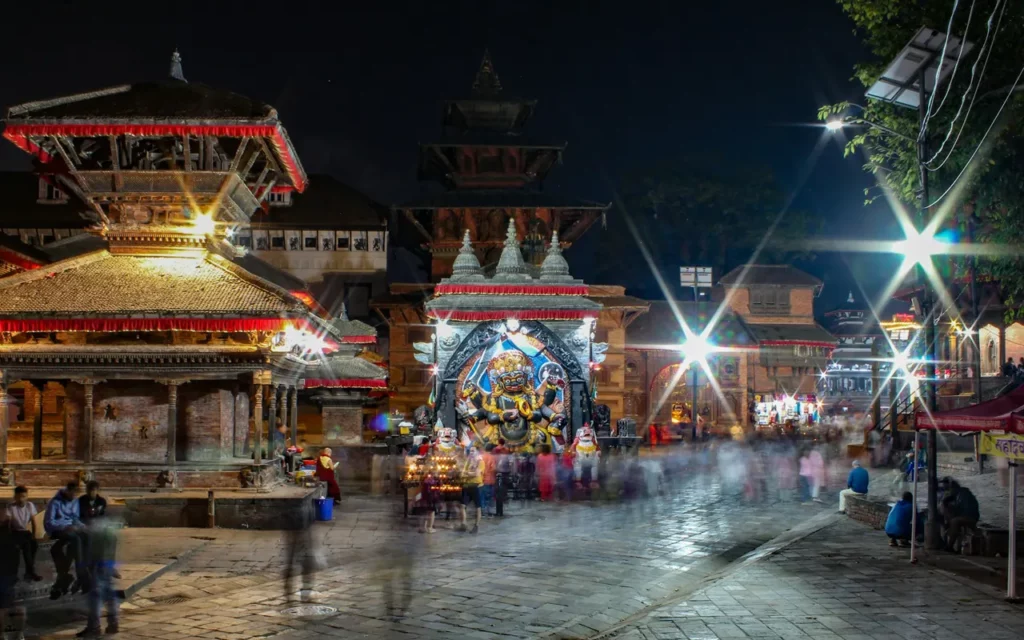
Kathmandu Valley, known as the city of temples is home to 7 UNESCO World Heritage Sites. The sites include ancient Durbar Squares, stupas, and temples such as Kathmandu Durbar Square, Swayambhunath, Bouddhanath, Pashupatinath, etc. This city is also an amazing combination of Newari architecture, multiple ethnic groups, and century’s centuries-old traditions.
Pokhara
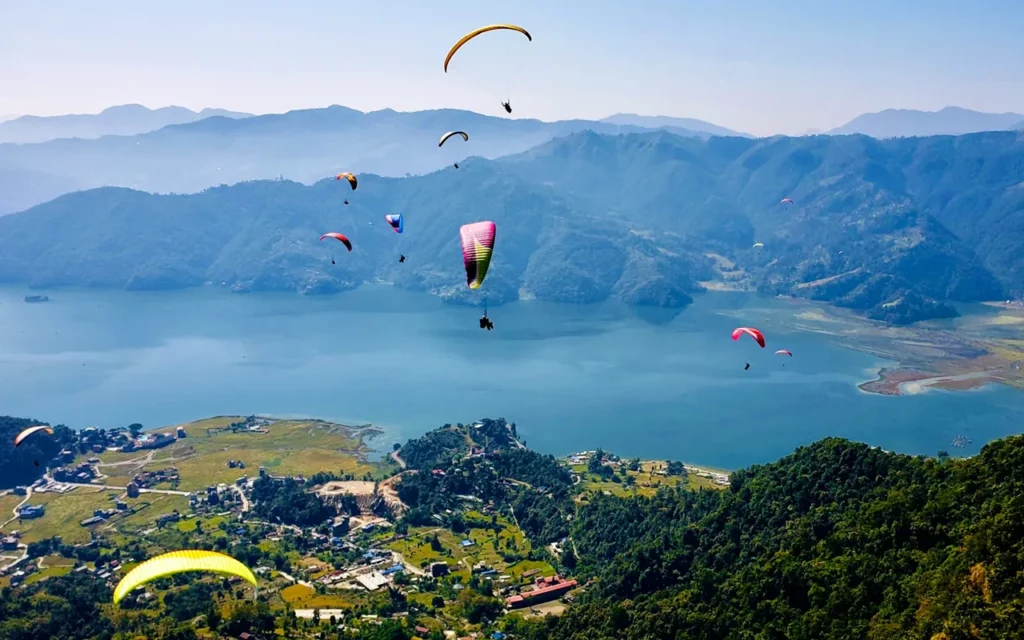
Pokhara is a city which have many lakes around and is known for scenic caves, lakes, and beautiful views of the Himalayas. It is also a gateway to many treks including the Annapurna region. It is a perfect place for many travelers because this city has a relaxed atmosphere and awe-inspiring scenery.
Lumbini
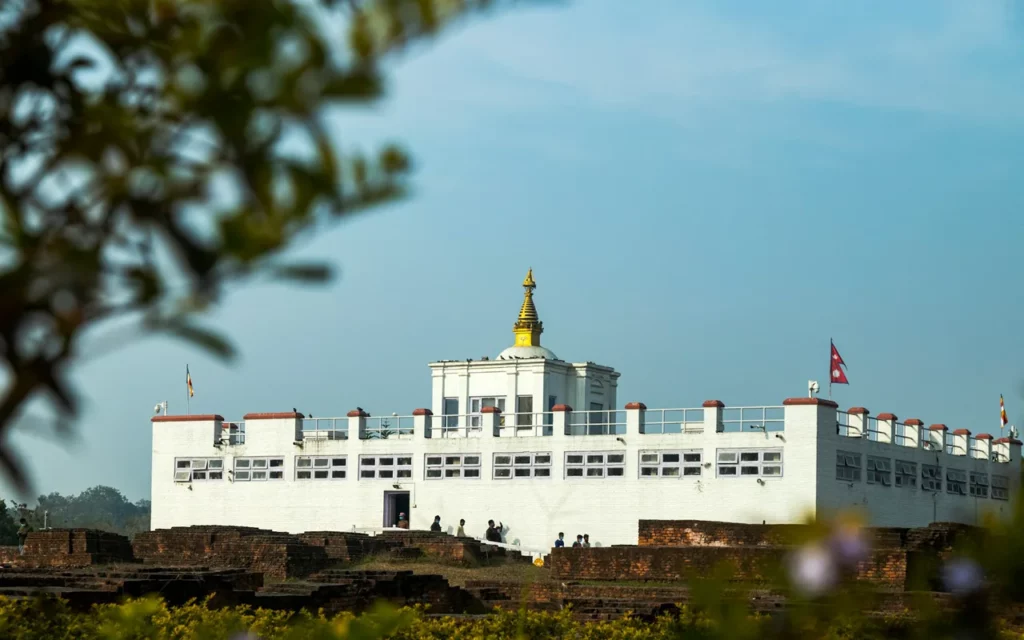
Lumbini is the birthplace of Lord Buddha and is one of the most significant spiritual sites in the world, attracting pilgrims from across the globe. The sacred garden, monasteries, and the Maya Devi Temple provide immense insight into Buddhism’s unique history and spirituality – it is perfectly suited to a multi-day spiritual tour in the course of one’s holiday to Nepal.
Chitwan
Chitwan is mainly known for jungle safaris in Chitwan National Park. You will get an opportunity to spot the wild flora and fauna here including rhinos, tigers, deer, and elephants. You will also get a cultural immersion with Tharu people which is a great opportunity for travelers wanting to enjoy holidays in Nepal.
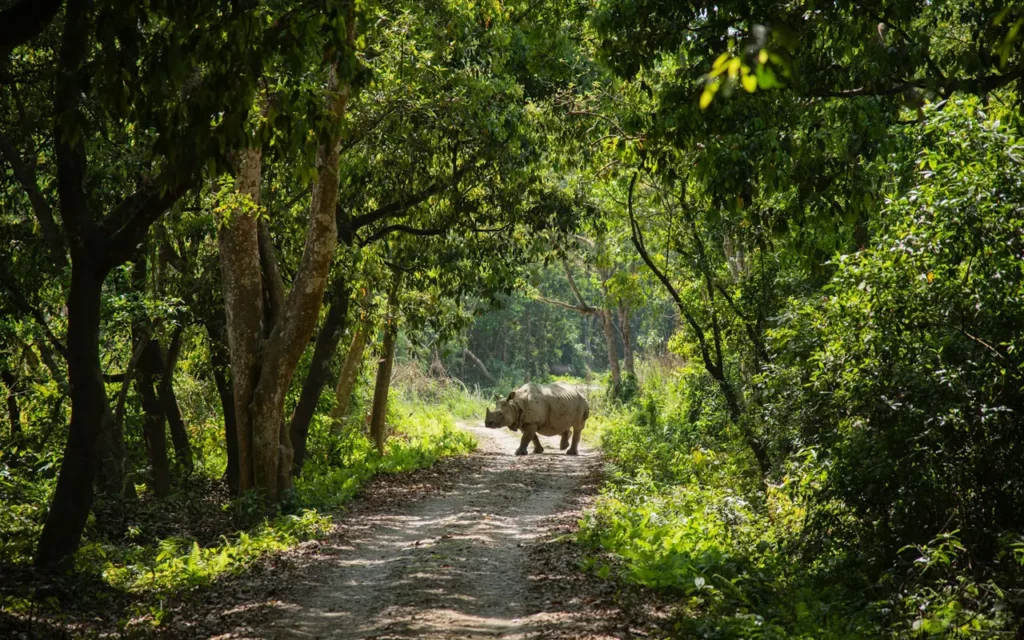
Touring is great for someone with little time, those with families, or those who want a more leisurely option. Tours allow for sightseeing trips to UNESCO cultural sites or active city locations or natural attractions. Tour guides help provide unique insights and it is a great way to experience Nepal’s culture in a less active way that could still be a great vacation adventure.
Pros & Cons of Trekking
Pros:
- Amazing panoramic views of the surrounding Himalayas.
- A strong sense of accomplishment.
- The most intimate cultural experience is in very remote villages where there is also time and opportunity to interact with local communities.
- The endless possibility of being alone and peaceful trekking during the off-peak seasons.
Cons:
- Very demanding physically and exhausting, also calling for good fitness and stamina.
- The danger of the weather changes and altitude sickness when you are at the top of the mountain.
- Amenities on the trail will become basic with an increase in altitude.
- Popular routes may be busy during peak seasons, which can remove the peace.
Pros & Cons of Touring
Pros:
- A slower and easier pace that works for everyone.
- Safe transportation and good accommodations.
- Great for cultural, ethnic, and culinary interests.
- Guided tours take care of details and provide comprehensive knowledge for you.
Cons:
- Less oriented toward physical activity than trekking.
- Less oriented toward experiencing more remote natural and mountain landscapes.
- Locations to experience Himalayan adventure and local village life might get missed.
- Less adventurous for travelers who want to explore more actively.
How to Choose Between Trekking and Touring
Before undertaking the task of choosing trekking or touring for your holiday in Nepal, first consider your degree of fitness and health. Trekking can involve good physical strength and altitude fluctuation demands a level of fitness and adaptation, whereas touring is less demanding and can be done with any amount of fitness.
Consider your amount of time, trekking will often need a number of days to weeks to enjoy the trails and to acclimatise. Whereas touring can be done in a comfortable a matter of days making it a more sensible option if you are short on time, but still want to have a holiday in Nepal.
Consider what your goal is. If you want an adventure, and a physical challenge, then trekking is for you, If however, you want to relax, see, or experience a culture or history, then touring is more suited to you. You will travel at a more manageable and changed pace which allows you to experience richer experiences.
Consider who you are traveling with- trekking is suited for solo travellers and a fit group. If you have a family or an elderly traveler, touring is suited for you. Your family or elderly group and better, if you want guided support and flexibility with getting around.
Finally, consider a seasonal factor. Trekking is best done in spring and fall to allow the weather to be favorable and for the views. Touring however can be undertaken any time of the year, providing flexible options for holidays in Nepal, whichever season it is in.
Can You Combine Both in One Trip?
Yes, a trekking and touring combination can be done in the same trip to enjoy the best of both worlds on your holiday to Nepal. Many itineraries include a mixture of short trekking trips and cultural touring in places like Kathmandu, Pokhara, and Poon Hill, covering several types of experiences in a single trip.
Another classic trekking and touring combination is the Everest View Trek and visiting Bhaktapur and taking a Chitwan jungle safari. This is ideal for holidays of around 10-14 days, balancing trekking, culture, and wildlife.
Final Thoughts: What’s Best for Your Holiday in Nepal?
Trekking and touring in Nepal offer two different experiences in Nepal. Trekking is suited for travelers who love adventure and are physically fit to walk in the mountains. Touring on the other hand is suited for travelers seeking cultural experience and comfort while traveling. At the end, the ultimate choice will depend on your fitness, time, and the type of holiday you want to spend in Nepal.
The decision the spend your holiday in Nepal depends on your interests, whether you want to hike actively and see spectacular scenery or want to enjoy Nepal without walking extensively. Trekking and touring are different ways to connect with Nepal’s heritage and diverse landscapes which offer diverse opportunities for discovery and unique experiences.
In the end, both trekking and touring offer unique rewarding, and memorable experiences. Many travelers even mix trekking with touring, which offers a more balanced holiday in Nepal, to ensure a thick and fulfilling holiday to experience the beauty of nature, culture, and everything else the country has to offer.
Frequently Asked Questions:
Do I need a guide for trekking or touring in Nepal?
Yes, it is legally required to utilize a licensed guide to trek the majority of regions in Nepal, specifically restricted areas like Upper Mustang and areas of Manaslu. In any event, for some of the more popular trekking routes, we would strongly suggest using a guide for your safety and for the ease in negotiating navigation. Usually, tours will include guides for their cultural and historical knowledge, and are not as strictly regulated.
Can beginners go on treks?
Yes, beginners can trek in Nepal, particularly on easier routes like Poon Hill or Langtang Valley. Also, as with treks anywhere, it is good to be reasonably fit and gradually acclimatize to higher altitudes. Overall, we recommend hiring a guide for your safety and to assist with navigation and altitude-related issues.
Is trekking more expensive than touring?
Trekking is more expensive due to permit costs, guide and porter fees, equipment costs, and costs for longer accommodation needs. With touring, the costs will often be less expensive as it involves fixed transportation and hotel costs. Although costs can vary with any variation between itineraries, duration, or levels of comfort.
What’s the best short trek to combine with a tour?
The Poon Hill trek is the most well-known and likely the most suitable trek to combine with cultural tours in Kathmandu and Pokhara. It is also a short trek and relatively easy for beginners. Like any trek in the region, you will experience some incredible views of the Himalayas but also fits in with the duration of your holiday, as an easy shorter trek to combine with cultural tours.


How to book a trip?

make free inquiry

