


Best Time to Trek to Annapurna Base Camp: A Month-by-Month Guide
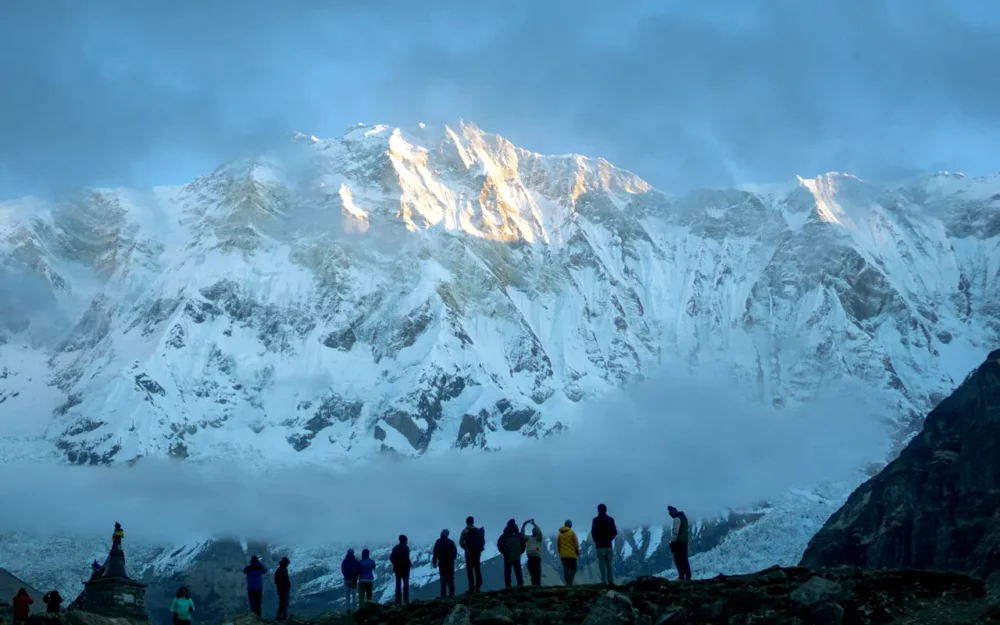
Annapurna Base Camp (ABC) Trek, is one of the most celebrated Himalayan treks in the north-centre region of Nepal which attracts trekkers from all around the world to its wondrous mountains and landscapes. This trek is a delightful mix of nature and culture that allows you to hike through lush rhododendron forests, terraced farms and villages, Annapurna Sanctuary, and soaring mountains including Annapurna I, Machhapuchhre, and Hiunchuli.
In Addition to being highly accessible, the divergence of scenery and expedition is one of the reasons why this trek has become so well-known. However, selection of perfect month for the expedition is important to have safe and enjoyable journey. Different trekking seasons has different weather patterns, trail conditions, and scenery.
Spring (March to May) and fall (September to November) bring the best conditions with mostly settled weather, stable temperatures, clear skies, and lots of color while the monsoon months (June to August) and winter (December to February) remain difficult due to rain and snow. So, it is important to make informed decisions by taking the time to end up with a fantastic, memorable, and picture-friendly experience.
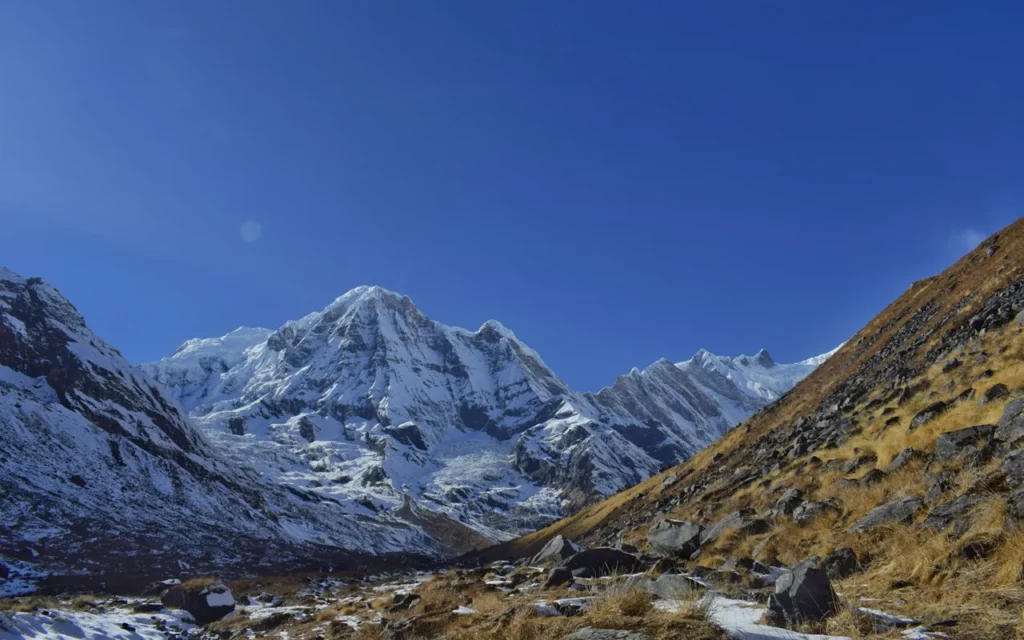
This month-by-month guide will assist trekkers to decide their Annapurna Base Camp Trek based on weather condition around the months and also gives idea of what to expect. Each month of the year comes with certain characteristics: temperature and rain patterns, hour of light, crowds, and views and the unusual detail a trekker may lust after.
Hopefully, this guide will help you to plan your trek to the Annapurna base camp during the time of year that suits you best, whether you want to enjoy climbing past blooming rhododendrons in the spring, wanting an autumn trek with clear views of the mountains, or a quieter snow-dusted Annapurna in winter.
Month by Month Breakdown
January
January is crisp and cold with skies often clear and trekkers will be rewarded with amazing views of mountains. Still, January have snow covered sections on trails, making the trek difficult. Despite this, the hikers will be rewarded with beautiful views and tranquility. The cold temperatures and occasionally closed trails make preparation crucial for the trekker based on their gear, knowledge, and experience.
Although trekkers face several obstacles in January, it is a great time for trekkers who want to avoid the crowds and enjoy pristine landscapes. January allows experienced trekkers to enjoy blissfully quiet trails and unobstructed views although trekkers should prepare for icy trail conditions and tamed services at higher elevations. Planning and ensuring warm clothing is a key component for the trekker’s safety, enjoyment, and successful journey during this winter month.
February
Heading into February and the temperature begins to warm, but the snow may still have not melted for most trails above 3500m. The early morning will still be cold, but there will be more daylight time which allow trekkers to trek longer hours in solitude. A lot of teahouses may still be closed and some opened with limited services.
With fewer trekkers compared to peak season, there is more of an exclusive feel in adventure. The snow will be melting day by day, improving trail conditions. However, it will still be cold at night and in the mornings so the warm gear will be needed. Planning accommodation ahead of time is always good practice and also be prepared for variable weather.
March
March means the spring season has arrived. The temperature will increase and rhododendrons will bloom, add living colours of green and red which will ultimately brighten the landscape. The weather will be stable offering good trekking visibility and improved trail conditions, making this an incredible time for trekkers seeking comfort and beautiful scenery.
However, there are more hikers, busier paths, packed teahouses, and rise in temperature as March comes to an end. The climate is pleasant and scenery stunning, in this month. It is recommended to finalize accommodation early if you were planning to trek in this transitional month.
April
April has warm days, stable weather, and drier trails, making it a great time to trek Annapurna Base Camp for beginners and experienced trekkers alike. This is peak springtime; the trails and teahouses will be full of trekkers, so reserving accommodations is strongly recommended. The flowers are bright and visible, and the experience overall is pleasant. However, because the trails will be lively with trekkers, trekkers should be mindful of the ambiance and plan accordingly when it comes to accommodations because April is ideal trekking time.
May
When May unfolds, the Annapurna region will receive a warming trend and, towards the end of May, there may be intermittent pre-monsoon showers. The beginning of May still has stable and good trekking weather in the Annapurna region, with pristine mornings and pleasant daytime temperatures for trekking enthusiasts, before the humidity begins to increase in the second half of the month. At this time, the region will be green, but there will be some humidity that climbs throughout the month.
The early part of the month is optimal for trekking; however, towards the latter part of May, the hiker may run into humidity, rain, and haze which would affect mountain viewing. Compared to April, the trails are less congested, but trekkers have to prepare for a range of weather experiences. So, trekkers should bring waterproof gear in case they get caught in the weather. Despite this, May is still a good choice for hikers looking for a “quiet” trek before the monsoon season.
June
With the arrival of June, a monsoon occurs in the Annapurna area with precipitation and cloudy skies. Trails get slippery increasing the risk of landslides. The region is very lush and green with very few tourists. However, leeches are prevalent on the trails and the views are often obscured by the persistent cloud cover. Even with the rain, there are attractive features to trekking in June. You will experience solitude and green hills. Moreover, trekkers need to be prepared for wet and muddy trails. This month will appeal to adventurous hikers not afraid of rain and looking for quiet trails.
July
July is the peak monsoon season with constant, heavy rains. Trails are muddy and landslide risk increases. You won’t have views of any mountains, as mist and clouds typically obscure all view, but the landscape is at its most green. Trekking in July is challenging and could be dangerous.
Solitude is guaranteed since most people are smart enough to avoid trekking at this time of year. Only experienced hikers should be attempting the hike in July with the proper gear. Teahouses may be closed and if they are open, food may be sparse.
August
August is still quite wet, but the monsoon may decrease in intensity toward the end of the month. Trails are slippery and river levels are still high. The scenery is vibrant and lush, waterfalls abound, and flowers are blooming. There are very few people out and the trekking is more peaceful. Leeches are still present and visibility is still poor. However, August is also only for well-prepared experienced trekkers. The scenery is certainly beautiful, but conditions can make trekking hazardous.
September
September marks the end of the monsoon. As the month proceeds, the air begins to clear with low precipitation towards the end of the month. While it is still possible to have some rain as the month goes on. Trails will begin to dry out while more people start to reappear on the trails. So, trekkers should begin to book reservations early because conditions will get better toward the end of the month.
October
October has ideal weather conditions to trek Annapurna Base Camp. Sky is blue with warm temperatures and great visibility. As October is the busiest month, trekkers should expect teahouses and trails to be busy with trekkers from around the world. It is a good idea to book accommodation in advance, as some popular teahouses can feel a bit crowded. Despite the crowds, a great variety of trekkers, weather, and beautiful scenery make this month the best for most trekkers.
November
November has cool, dry, and stable weather in the Annapurna region. The trails remain in good condition, and the post-monsoon visibility allows for incredibly spectacular mountain views. Crowds begin to dwindle when compared to October providing a more relaxed trekking experience.
It is worth noting that nights become much colder as winter approaches, and trekkers need to be equipped for the cold nights. However, the crisp air and quiet trails can be a highlight for those who want to hike in solitude with comfort. Overall the trekking experience is rewarding with glorious scenery and manageable trails throughout the month.
December
December has cold temperature, short days with some light snow in the higher elevations. The scenery is stunning with a layer of snow, and peaceful pathways. Due to cold weather, some teahouses may get closed or have limited services. Trekkers need warm clothing and should be prepared for limited daylight. However, December is perfect for trekkers who want solitude along the trails and enjoy the nice winter scenery.
Recommended Months for Different Trekkers
For first-time trekkers, Annapurna Base Camp trek is highly recommended in March to April and October to November. The hike is comfortable during these months because to the consistent weather, clear skies, and pleasant temperatures. Also, the trails will be in their prime condition and the landscape is sure to amaze, from flowering rhododendrons in spring to gold forests in the fall.
Those who value solitude should consider January, December, and August. There will not be as many trekkers on the trails in these months and you will certainly enjoy the crisp snowy scenery. Additionally, April and November are also great months for photographers, as April displays blooming flowers along the trails and November showcases the gigantic Himalayas.
Conclusion
In summary, your interest and level of experience will determine the ideal time to hike to Annapurna Base Camp. Spring and autumn have the best conditions for trekking, whereas winter and monsoon seasons allow for tranquility and emergence of a new landscape. If you plan according to the months then you are safe for a better experience and reward of stunning views and a once-in-a-lifetime experience.


How to book a trip?

make free inquiry

