


Best Season to Explore Nepal for Travellers: What You Need to Know
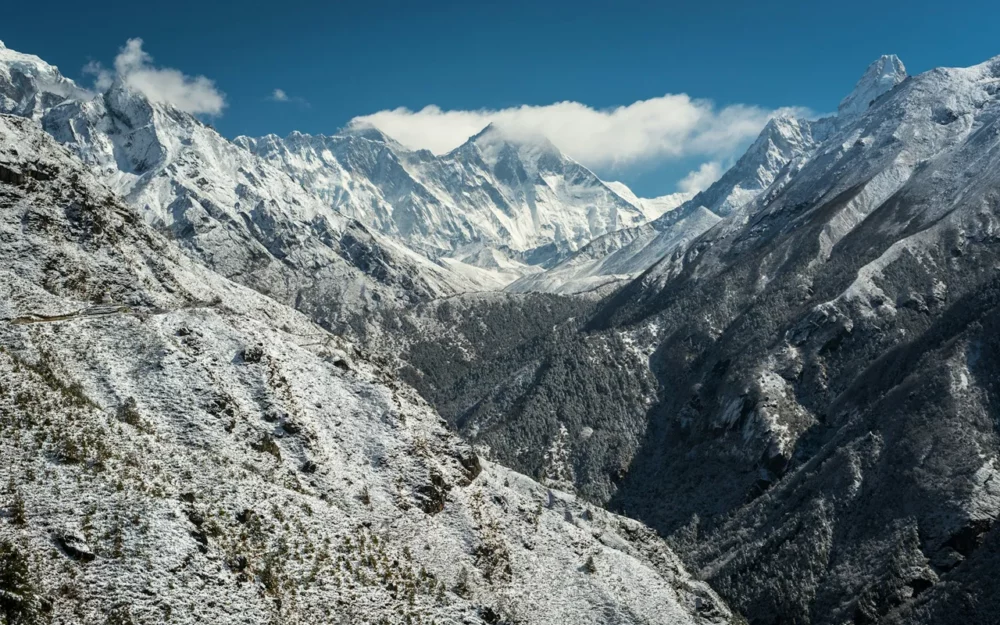
Nepal is a country with dramatic geographical variation ranging from the high Himalayas to the plains of the Indian subcontinent. The geographical distances from the lowland to the highland are steep and create ‘stacked’ climate conditions, from tropical lowland to alpine in the highland. In addition to this geographic and climate variation, Nepal experiences unique weather conditions that vary with seasonal variation. Nepal has unique travel options in virtually all directions for the same reason.
Choosing the right season to travel involves more than just comfort: being there at the right time can help you avoid unpleasant weather and have access to some of the recognized sites and activities. Being in Nepal at the right seasonal time can mean seeing the unobstructed Himalayas in safety and experiencing local festivals in their fullest glory.
Conversely, unfavorable weather can restrict access to parts of Nepal and lead trekkers to challenging trekking conditions or difficult terrain. It also limits trekkers’ ability to observe the abundance of wildlife experiences and the cultural experiences that Nepal offers. Consequently, travelers such as adventurers, as well as cultural enthusiasts, traveling to Nepal will need to consider the seasons.
The goal of this guide is to assist travelers in determining the best times to visit Nepal and identifying the best seasons for different kinds of travel. The guides will contain information about the country’s geography and climate variety, thereby allowing visitors to plan their trip around the best weather possible, cultural festivals, or natural events. In this way, travelers access what Nepal offers – awe-inspiring mountain views and rich culture.
Spring
Spring in Nepal lasts from March to May and is arguably the best season to visit. Temperatures begin to rise in Nepal after the winter, bringing pleasant and moderate weather that is not too hot or cold. Trekking becomes more enjoyable in spring with clear skies, and breathtaking views of Himalayan peaks, lush hills, and valleys.
One of the key highlights of spring in Nepal is the blooming rhododendron in the Hills. The hillsides and forests of Nepal become adorned with stunning red, pink, and white rhododendron blossoms from mid-March to the end of April. The Ghorepani Poon Hill, Annapurna, Langtang, and Everest regions are exceptionally known for rhododendron trails that attract trekkers and lovers of nature alike. The variety of colors against snow-capped mountains creates picturesque landscapes ideal for capture and exploration.
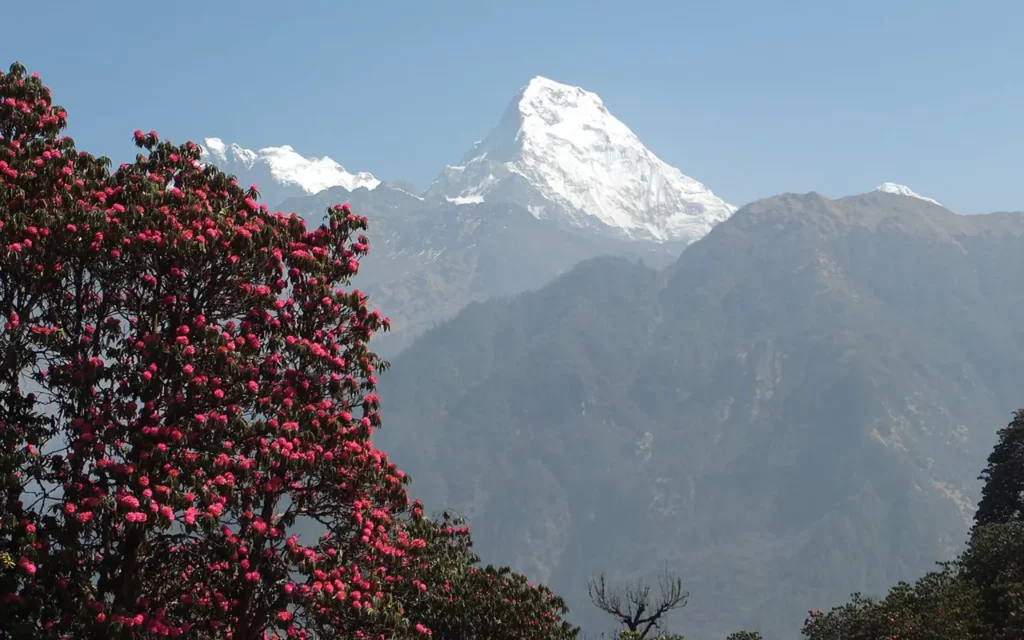
Spring is the best season for trekking in Nepal because of greater visibility. The lower environmental zones will predominantly be lined with wild rhododendrons, while higher environmental zones have clearer views of the remarkable Himalayas. Trekking in spring means the hiker is likely to meet and interact with more fellow trekkers, plus the opportunity to meet and potentially engage with the local villagers celebrating the renewal of life in spring.
Additionally, the weather is mostly warm, clear, and stable; ideal for taking landscape or wildlife photos. With signs of life awakening, spring is fun full of bright colors, and makes the most amazing picture as terraces, rice paddies, mountains, and trekking landscapes combined with humanity with a break of cold winter. Spring encompasses the best Nepal has to offer for adventure along with cultural and best trekking conditions.
Autumn
Fall is the prime time to visit Nepal, particularly if you are looking for mountain views. The dust and haze of the monsoon season have dissolved away after the monsoon rains, permitting sights of the Himalayas without interruption. The weather is mild and stable with lengthy stretches of pleasant days and cool nights, which is ideal for an adventure in Nepal. It is safe to say this is the most agreeable and conducive weather and temperature for trekking, photography, and sightseeing.
The popular trails of Everest Base Camp, Annapurna Circuit, and Langtang Valley regions are most appealing during this time of year attracting trekkers all around. All the flora and fauna appear to be more alive because of the wet, muddy, and slippery monsoon season. As the skies start to clear, every step on the trekking trail provides dramatic vantage points to witness the snowcapped Himalayas and wild, lush valleys in their purest state.
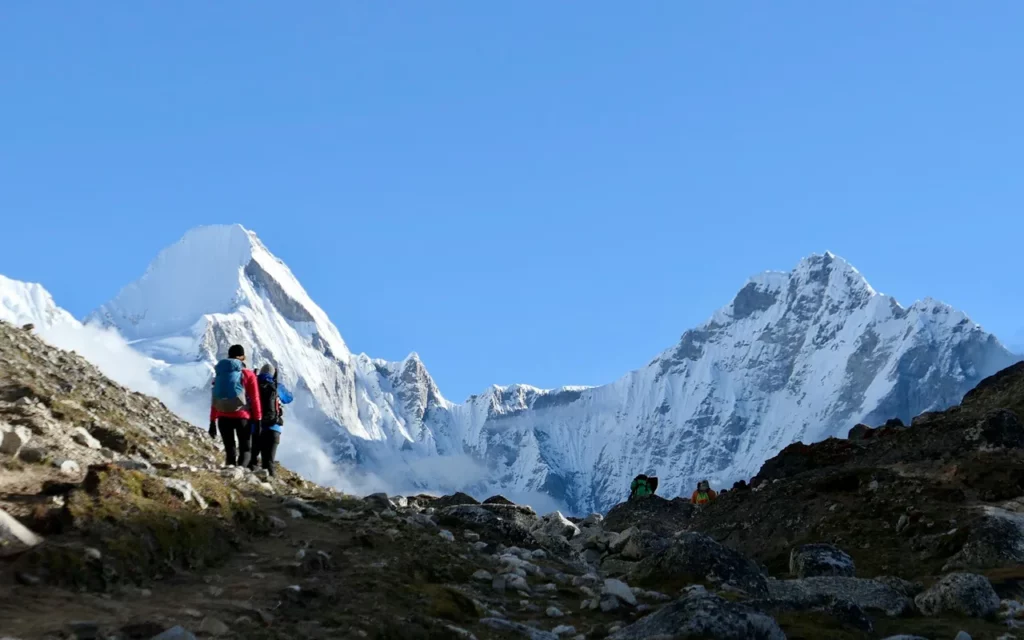
The weather in the fall can be variable with daytime highs in the 15 to 25 °C range in low hills and colder nights at higher altitudes, allowing trekkers the flexibility to enjoy trekking. The lower regions of Nepal have become covered in gold as the forests, meadows, and hills transition into spectacular fall displays. In comparison with spring, fall trekking is much less crowded with trekkers; it makes acquiring lodges, accommodations, and permits less cumbersome and more relaxed.
Fall in Nepal also represents a time of cultural celebration as Dashain and Tihar are both held in the fall. The harvest festivals provide trekkers with unique and authentic perspectives of true Nepali hospitality – ‘the real thing’. With perfect weather conditions, stunning clear skies, and a mix of culture everyone should seek to experience trekking in Nepal in the fall.
Monsoon
Monsoon months (June to August) in Nepal bring heavy precipitation to most of Nepal, which affects the Terai and hill areas. Heavy rain occurs daily during this time. The lush green landscapes can be stunningly beautiful but an increase in moisture brings challenges of slippery trails and landslides, especially in the mountainous and hilly areas. Trekking is more dangerous in monsoon as popular trekking routes may get obstructed by heavy clouds and fog.
However, there are advantages during the monsoon season for those who are flexible and prepared for the conditions. Rain-shadow regions such as Mustang, Dolpo, and parts of the Annapurna Circuit generally receive little to no rain during this time and are still accessible for trekking and tourism. The most appealing aspects of visiting these regions are the cultural experience and stunning landscapes with fewer tourists on the trails. With fewer tourists visiting these areas, travel costs may be cheaper and the experience will be quieter and peaceful.
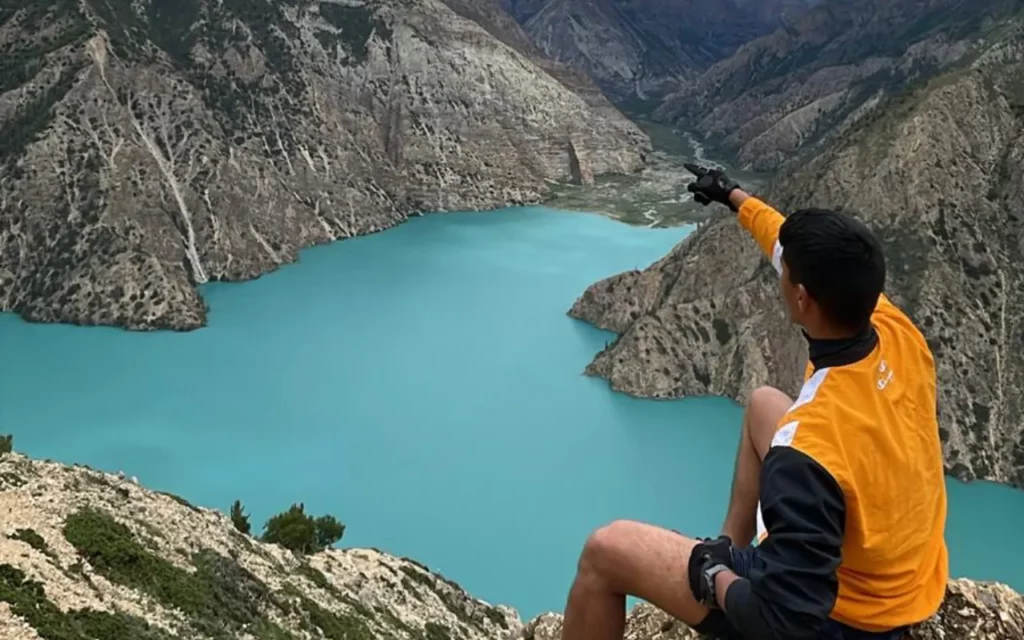
Although summer and monsoon seasons are not suitable for most trekking routes, it is a great time to visit rain-shadow destinations and cultural sightseeing in places like Kathmandu and Pokhara. Mornings are generally clear and bright, so you can fit in a short trip before the storms roll in. If you are planning to travel in the summer months and high monsoon, you will experience erratic weather which may interrupt the travel plan. However, during this time, you will still experience the vibrant culture and dynamic landscape of Nepal – with fewer visitors!
Winter
The winter months in Nepal can be quite cold. In mountainous areas, the temperature can even drop below -10°C at night. But lower-altitude destinations like the Kathmandu and Pokhara valleys will have nice, crisp weather, and daytime temperatures can fluctuate from about 4°C– 17°C. This weather makes it ideal for sightseeing and cultural trips. Most of the time, the views of the snow-capped peaks of the Himalayas on clear sunny days are uninterrupted, and there is a calmness in the air that allows for photography and contemplation.
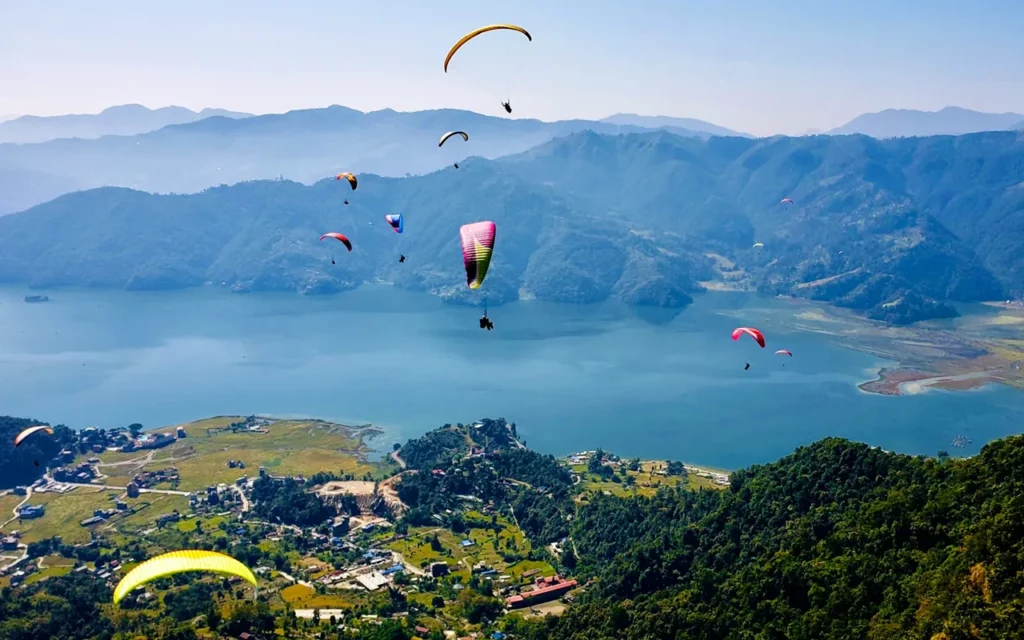
Winter is the off-peak season when few tourists visit and you experience the sites and tracks without the crowds. Low-altitude treks, like those near Pokhara and in the Kathmandu Valley, are good, enjoyable, and accessible in winter with dry paths and fantastic visibility. Wildlife-viewing experiences like Chitwan National Park are amazing in winter, the cooler temperature makes a safari comfortable, and migratory birds are abundant.
Winter is full of cultural vitality, with festivals like Maghe Sankranti and Saraswati Puja, as well as lively New Year and Christmas festivities in Kathmandu and Pokhara taking place. Visitors will have the opportunity to be part of Nepali customs and hospitality. With inexpensive lodging and the chance to enjoy the cozy experience of a city, winter is a great season for adventure, culture, and peace.
Conclusion
Nepal’s varied landscapes and weather guarantee that every season offers something new to visitors. Autumn and spring are the best times to visit Nepal due to the moderate temperatures, once-in-a-lifetime views of the mountains, and festive events, while winter offers a serene experience with low-elevation treks and tours in major cities. Similarly, summer and monsoon offer lush green landscapes with an opportunity to visit the rain-shadow regions of Nepal. Each season of Nepal has its charms and adventures appropriate for people of different interests and various adventure levels.
However, the best season to visit Nepal is dependent on the travel tastes and experience you want. Whether you travel during peak seasons or less congested seasons, visiting a place like Nepal throughout the year means you can enjoy its natural scenery and cultural heritage as well. By proper planning, you can take full advantage of your trip. Overall, besides climate and elevation, Nepal is where each traveler is rewarded with a visit no matter what the season.


How to book a trip?

make free inquiry

