


Trip Duration
17 Days
Group Sizes
1-16 People
Transportation
Land Transportation
Destination
Nepal
Max. Altitude
5,535m. / 18,159ft.
Activities
- Trekking

Difficulty
Challenging
Meals
- 16 Breakfast
- 15 Lunch
- 15 Dinner

Accommodation
- Hotel
- Guest House
Trip Highlights
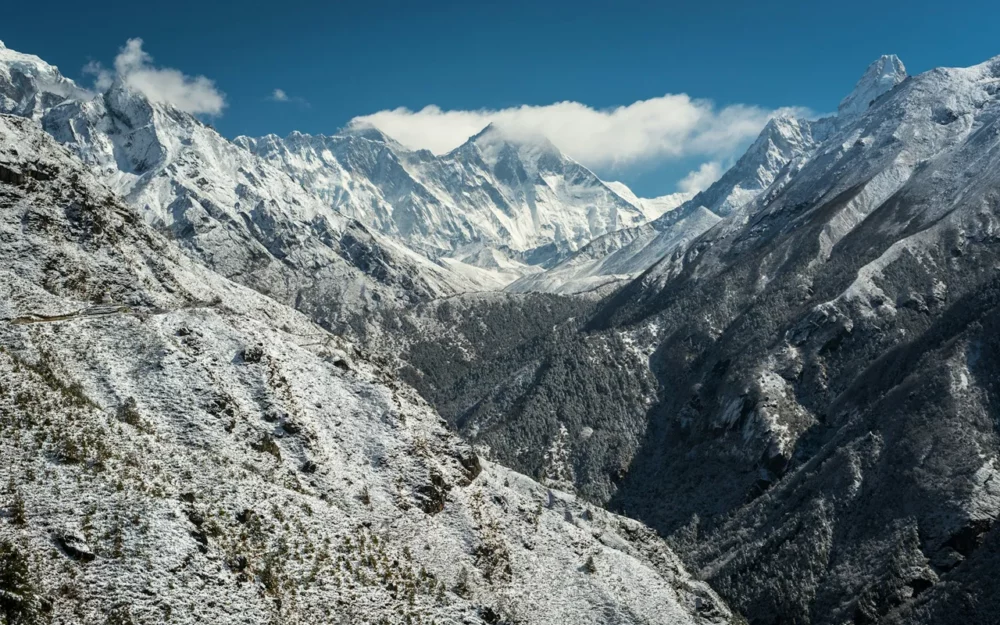
- See Everest, Lhotse and Makalu from perfect viewing positions.
- Admire Gokyo Lakes from their high-altitude location between great mountain peaks.
- Trek through demanding mountain passes above 5000 meters such as Kongma La, Cho La, and Renjo La.
- Visit the Everest Base Camp which marks the start of everyone’s climb to the summit of Mount Everest.
- Stunning flight to Lukla where various tall mountains with broad views are seen.
- See how Sherpa residents live their daily lives by walking their isolated mountain paths.
- Climb Kala Patthar to witness Mount Everest in its full glory from the south side.
- Find unique attractions in the Khumbu region that most tourists never see.
- Witness the powerful ice formations and rocky areas around Everest Base Camp.
Overview of Everest Three Passes Trek
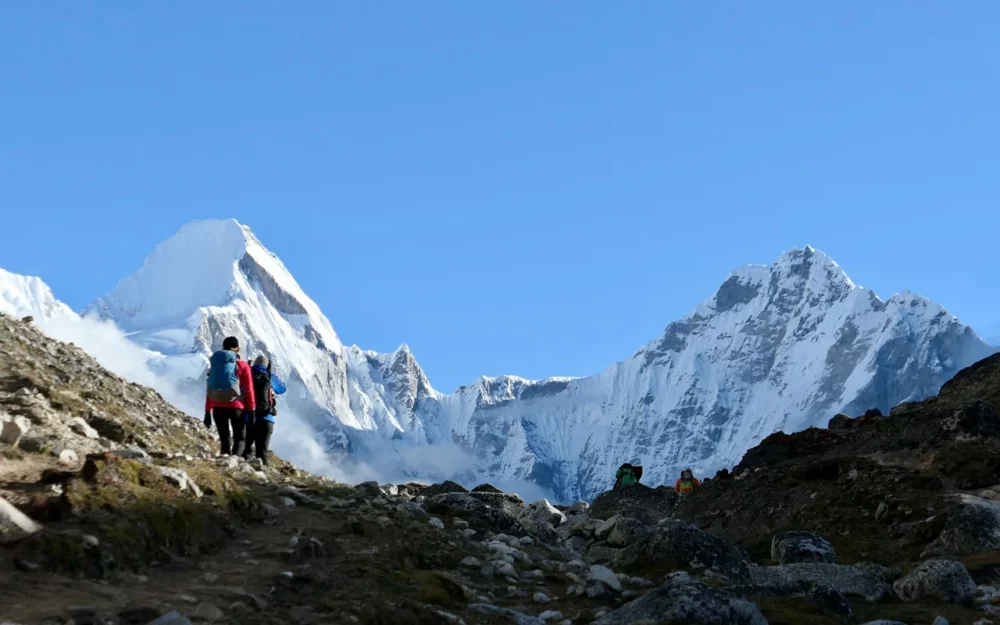
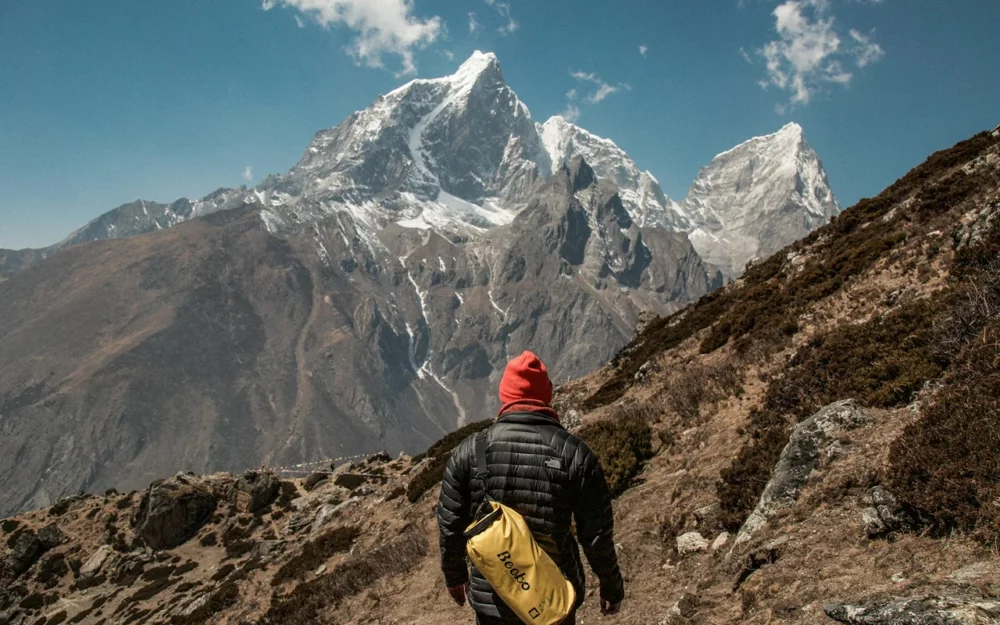
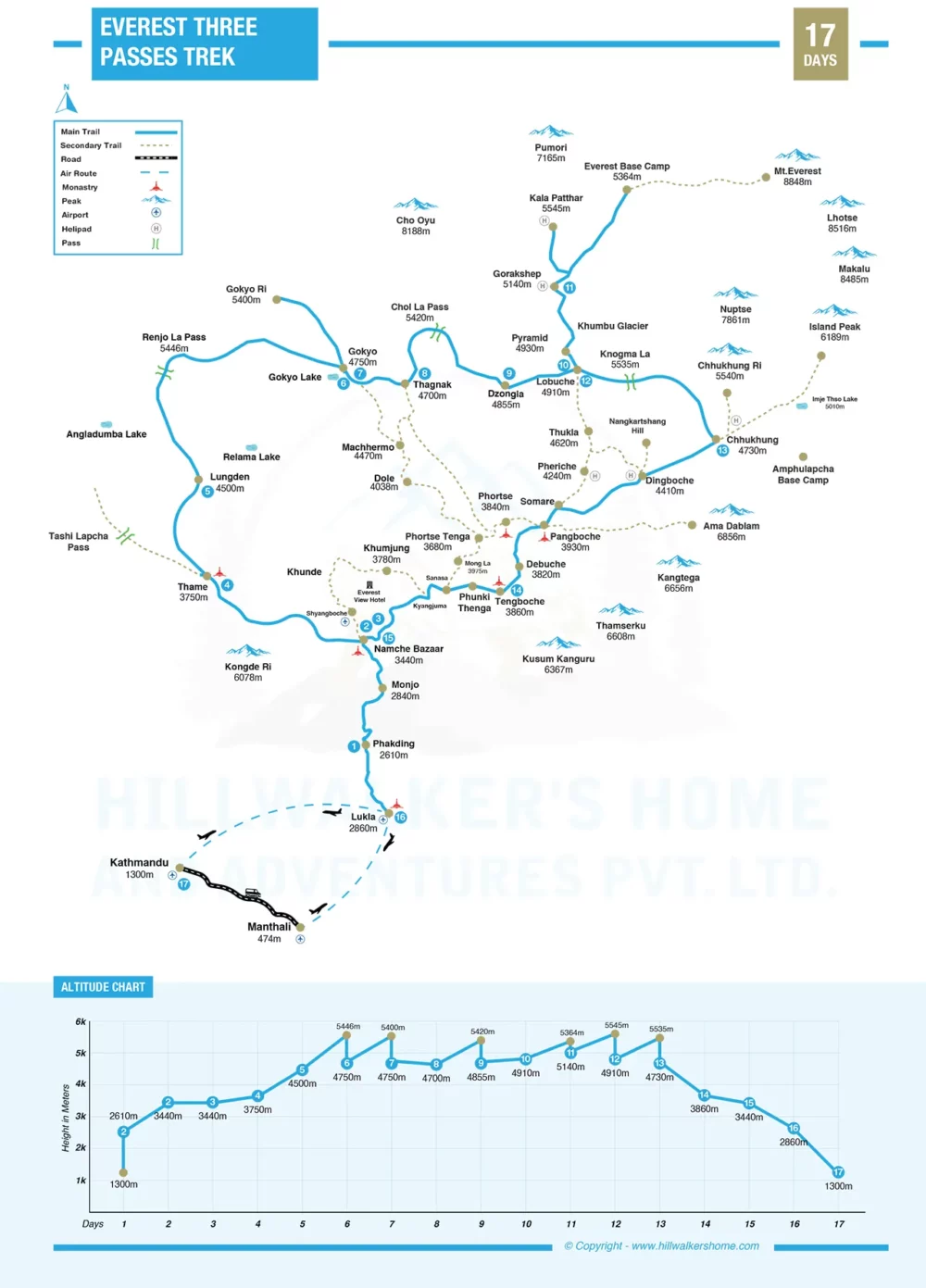
The Everest Three Passes Trek takes 17 to 20 days to tour the Khumbu region of Nepal through its difficult mountain passes and exceptional stunning outlooks. The trekker experience includes climbing the Kongma La Pass (5535 m), Cho La Pass (5420 m), and Renjo La Pass (5360 m) to reach Everest Base Camp, Gokyo Lakes, and Kala Patthar.
The path reveals majestic mountain views of Everest, Lhotse, Makalu and Cho Oyu with opportunities to meet Sherpa people. The Everest Three High Pass Trek needs strong physical conditioning and proper body adaptation which pleases adventurous hikers who want to fully explore the Himalayan mountains.
Itinerary of Everest Three Passes Trek
Day 01: Flight to Lukla (2,850m / 9,350ft) & Trek to Phakding
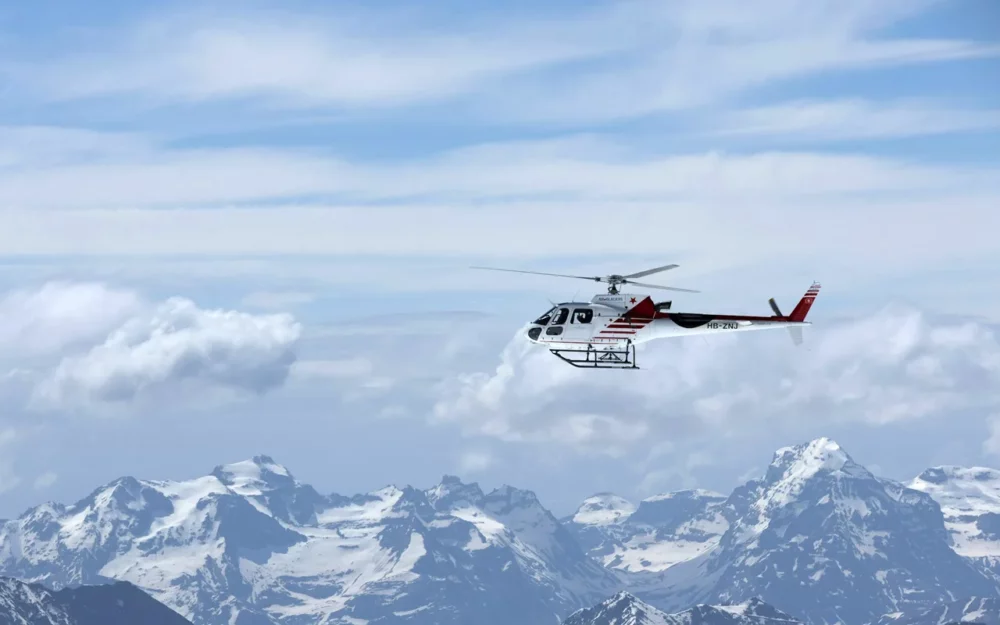
We begin by taking a helicopter tour to Lukla with amazing photo opportunities of the Himalayas. Take the first stage of Everest Three High Passes Trek by passing through pine woods and Sherpa settlements while following the Dudh Koshi River path.
People cross bridges decorated with prayer flags and pass stone monuments and religious buildings or puja spots. The adventure offers good views of Kusum Kanguru as you walk downhill to Phakding.
The slow walk to Phakding gives you time to adjust to high elevation as you settle by a river at your first Khumbu region stay.

Activity
Trek
Accommodation
Guest House
Meals
Breakfast, Lunch, Dinner
Max Altitude
2650mDay 02: Trek from Phakding to Namche Bazaar (3,440m / 11,285ft)
The trip from Dudh Koshi River proceeds with trekkers crossing several suspension bridges including Hillary Bridge. Walk through the towns Monjo and Jorsalle while passing into Sagarmatha National Park’s boundaries.
A hard climb follows the lunch break and brings your first sight of the Everest summit. You will arrive at Namche Bazaar which serves as the Sherpa capital despite its amazing mountain views.
Travelers can access various services such as restaurants and shops plus online internet connections at Namche. Even though the hike needs strenuous work our two legs the route offers breathtaking views of local lifestyles paired with Everest’s first close-up appearance to all.
Activity
Trek
Accommodation
Guest House
Meals
Breakfast, Lunch, Dinner
Max Altitude
3440mDay 03: Acclimatization Day at Namche Bazaar
We use our day to relax and explore Namche Bazaar before continuing your trek. Walk to Everest View Hotel for stunning sightlines of Everest and its neighboring mountains Ama Dablam and Lhotse.
You can also tour the Sherpa Culture Museum while you visit Khumjung village where Hillary School and the sacred yeti scalp are found.
You will better adapt to high elevation while exploring Sherpa culture during this day of active rest. At the end of the day, you move back to Namche where you will enjoy the landscape while experiencing excellent local service ahead of your next ascent.
Activity
Rest
Accommodation
Guest House
Meals
Breakfast, Lunch, Dinner
Max Altitude
3439mDay 04: Trek from Namche Bazaar to Thame (3,750m / 12,303ft)
The path turns northwest from Namche downward to Thame which once carried trade between Nepal and Tibet. We walk over forested areas, yak grazing fields, and find rest at Thamo village.
Travelers walk gently uphill through the river valley of Bhote Koshi. You enter the small village of Thame which rests amidst high snowcovered peaks. You also reach the oldest monastery in Khumbu region at Thame Monastery when you climb the hill behind the village.
The village of Thame maintains its Sherpa roots and attracts mountain climbers seeking peace in the Himalayan region.
Activity
Trek
Accommodation
Guest House
Meals
Breakfast, Lunch, Dinner
Max Altitude
3750mDay 05: Trek from Thame to Lungden (4,500m / 14,764ft)
Today we will be hiking along the quiet Bhote Koshi Valley passing between yak terrain and ancient religious walls. The trail features excellent peace as it shows Kongde and other mountain peaks covered in snow.
The scattering of villages shows that few people live in this developed area. You will be able to witness wildlife like blue sheep and the opportunity to see snow leopards in their natural habitat during winter expeditions to the Himalaya.
The small settlement of Lungden exists at the base of majestic mountain cliffs while providing superb mountain views before trekkers reach their most significant altitude crossing.
Activity
Trek
Accommodation
Guest House
Meals
Breakfast, Lunch, Dinner
Max Altitude
4500mDay 06: Trek from Lungden to Gokyo Lake (4,750m / 15,583ft) via Renjo La Pass (5,446m / 17,867ft)
The Everest Three High Pass Trek today leads you uphill to Renjo La where you face intense physical challenges for magnificent views. Stand on top of the pass to look down on the Gokyo Lakes with Everest, Lhotse, Makalu as the Himalayan giants in the background.
Take your steps downward cautiously across snowy ground to discover the glacial beauty of Gokyo. The town stands next to the third Gokyo Lake where its vivid blue waters match the nearby snow and ice.
The climb through Renjo La stands out as a remarkable experience that brings a mixture of beautiful vistas and intense personal success.
Activity
Trek
Accommodation
Guest House
Meals
Breakfast, Lunch, Dinner
Max Altitude
4750mDay 07: Acclimatization Day at Gokyo, Early Morning Hike to Gokyo Ri (5,400m / 17,814ft)
Travel up Gokyo Ri before dawn to take unforgettable pictures of Everest and other Himalayan summits lit up in golden sunlight. The massive Ngozumpa Glacier and all Gokyo lakes appear below from here.
You will properly adapt to the high altitude by strolling in the village and discovering surrounding glacial features. Resting in Gokyo helps trekkers better enjoy its peaceful atmosphere and hiking trails between mountaineering days.
Activity
Hike
Accommodation
Guest House
Meals
Breakfast, Lunch, Dinner
Max Altitude
5400mDay 08: Trek from Gokyo to Thangnak (4,700m / 15,400ft)
You continue your hike with brave determination across Ngozumpa Glacier the biggest ice formation in Nepal. A rocky terrain passes through ice fields and moraines against stunning glacier scenery everywhere you look.
Travelers set up their huts in small community Thangnak at the base of Cho La Pass. You must take time to rest on this short period since it leads you to a strenuous hill climb.
You get exceptional views of Cholatse plus magnificent mountain scenery up close. You will prepare tomorrow’s climb through the night while looking up at the Himalayan peaks that tower above you.
Activity
Trek
Accommodation
Guest House
Meals
Breakfast, Lunch, Dinner
Max Altitude
4700mDay 09: Trek from Thangnak to Dzongla (4,855m / 15,930ft) via Cho La Pass (5,420m / 17,783ft)
Make an early start to climb Cho La Pass because you will face icy terrain and need to cross a small glacier as microspikes help with traction. Summit views of Ama Dablam and Baruntse appear through the air above the frozen glacier.
You must take a rocky descent amid strong winds to reach the peaceful highland grasslands at Dzongla. This difficult day combines wilderness challenges with alpine spectacle to create an unforgettable experience in the Himalayan wilderness.
Activity
Trek
Accommodation
Guest House
Meals
Breakfast, Lunch, Dinner
Max Altitude
4855mDay 10: Trek from Dzongla to Lobuche (4,910m / 16,175ft)
We walk a smooth path close to Awi Peak to see the Cholatse and Taboche mountain profiles as they rise behind. You also follow an icy river path through meadows that support many wild animals.
After Dzongla, you can access the primary Base Camp trail while visiting memorials to Everest casualties. Later, we climb the moraine snow ridge until we reach Lobuche beside Khumbu Glacier. Everest Base Camp approaches as visible signs emerge in the landscape to indicate its close proximity.
Activity
Trek
Accommodation
Guest House
Meals
Breakfast, Lunch, Dinner
Max Altitude
4910mDay 11: Trek from Lobuche to Everest Base Camp (5,364m / 17,598ft) and Return to Gorak Shep (5,185m / 17,010ft)
We travel the Khumbu Glacier terrain while crossing through boulder fields and slippery slopes. You arrive at Gorak Shep to find the last settlement before reaching Base Camp.
Most hikers stop at base camp to launch their summit attempts while facing Everest’s entrance. You can experience Everest’s south face from its base while observing the Khumbu Icefall beside you.
We come back to Gorak Shep after spending the night in this location. The route from Gorak Shep to Base Camp fills your day with powerful emotions while showing you the mighty Everest and the harsh natural world.
Activity
Trek
Accommodation
Guest House
Meals
Breakfast, Lunch, Dinner
Max Altitude
5364mDay 12: Early Morning Hike to Kala Patthar (5,555m / 18,208ft) then Trek to Lobuche
You can reach Kala Patthar before sunrise to witness beautiful morning light on Everest alongside Nuptse and Pumori from all directions. The destination offers endless photography opportunities and heavy silence perfect for big pictures.
Return to Gorak Shep for breakfast before proceeding to Lobuche. During the return trip, you can better appreciate your Everest expedition by viewing the landscape in a fresh light.
Activity
Hike
Accommodation
Guest House
Meals
Breakfast, Lunch, Dinner
Max Altitude
5555mDay 13: Trek from Lobuche to Chhukung (4,730m / 15,580ft) via Kongma La Pass (5,535m / 18,159ft)
Start your day early to conquer Kongma La which stands as the tallest and least-frequented of all three passes in this adventure. Trekking through this area gives travelers challenging paths, frozen lakes, and bright sights of Mount Makalu, Nuptse, and Amphu Lapcha.
You will travel downhill through moraine regions while approaching Chhukung in the Imja Valley. Your route combines the isolation of high altitude with snowy peaks and natural beauty while exposing you to breathtaking views of untouched Himalayan surrounding.
Activity
Trek
Accommodation
Guest House
Meals
Breakfast, Lunch, Dinner
Max Altitude
4730mDay 14: Trek from Chhukung to Tengboche (3,855m / 12,850ft)
Today, we move down through the Imja Valley with its stunning views of the nearby peaks Island Peak and Ama Dablam. The trek leads hikers past the historic monasteries and grazing yaks at both Dingboche and Pangboche.
The village of Tengboche houses the highest regarded local monastery, the Tengboche Monastery which overlooks Everest and Lhotse. Take part in the special evening prayer at this sacred setting to experience the spiritual traditions of the Khumbu region.
Activity
Trek
Accommodation
Guest House
Meals
Breakfast, Lunch, Dinner
Max Altitude
3855mDay 15: Trek from Tengboche to Namche Bazaar
Over the next few hours climbers move downhill as they walk through pine and rhododendron forests with the chance to see Himalayan tahr and pheasants. You will walk across the Imja Khola by using the professional bridging infrastructure.
Then you continue through the amazing places Sanasa and Kyangjuma while looking toward Everest and Thamserku peaks. After your summit activities return to Namche Bazaar to relax and take your last look at the town that started your expedition.
Activity
Trek
Accommodation
Guest House
Meals
Breakfast, Lunch, Dinner
Max Altitude
3440mDay 16: Trek from Namche Bazaar to Lukla
You will follow your original trek route down from Namche Bazaar through green forests and past the Dudh Koshi River. Once again, you cross back the suspension bridges in Monjo, Benkar, and Phakding for the final time during your descent.
The weight of the climb lightens up as you draw near to Lukla. Take time with your trekking team to review the beautiful high mountain passes that created your Himalayan tour.
Activity
Trek
Accommodation
Guest House
Meals
Breakfast, Lunch, DinnerDay 17: Flight from Lukla to Kathmandu or Manthali
Your return flight departs from Lukla towards Kathmandu regardless of season but can land in Manthali. On the way, you reflect on your thoughts about the 17 Days Everest Three High Passes Trek into Sherpa villages with glacier valleys and famous mountain passes.
After your trek, enjoy the city lifestyle while remembering how your endurance pushed through a real test that earned your reward and unlocked your love for the Himalayas’ power.
Activity
Flight
Accommodation
Hotel
Meals
Breakfast
Max Altitude
1350mTrip Information - Good to Know
Best Time to Trek Everest Three Passes
Everest Three Passes Trek can be best experienced with perfect trail conditions during the spring months from March to May and the autumn period from September to November.
The weather stays reliable while you enjoy unobstructed views of the mountains during these particular months. During the spring season, the mountains burst with rhododendron flowers while the fall period delivers a chilly climate and minimal rainfall.
Professional hikers can attempt the Everest Three Passes Trek in winter despite harsh cold temperatures and snowy mountain paths. During monsoon months from June to August, poor weather limits hiking experience because of excessive rainfall storms and bad terrain as well as reduced visibility due to clouds.
Regularly refer to weather predictions because weather patterns in high mountain zones can change unexpectedly. Beginning the hike at dawn reduces the possibility of facing winter snowstorms or strong winds on the trail.
Difficulty and Fitness Level of Everest Three Passes Trek
Experienced trekkers should consider the Everest Three Pass Trek because it presents intense physical challenges along the way. You need great strength and stamina to make it across the three high passes Kongma La, Cho La, and Renjo La which stand more than 5,300 meters above sea level.
Daily trekking averages 6 to 8 hours, with long ascents, descents, and glacier crossings. Before the trek starts cardio exercises, strength training, and practice long uphill walks need to form part of your fitness preparation.
Basic knowledge of altitude trekking and the ability to use equipment like crampons or microspikes plus coping with freezing temperatures is essential although actual technical climbing isn’t needed.
New trekkers should start with simpler routes and think about hiring local assistance professionals.
Altitude Sickness and Acclimatization
Despite the Everest Three Passes Trek being strenuous, the route poses even more extreme danger of altitude sickness since it takes hikers above 5,500 meters many times. You need to properly prepare your body for high-altitude conditions before experiencing the symptoms of Altitude Mountain Sickness.
The trek design includes two scheduled stops at Namche Bazaar and Gokyo to provide proper body adaptation. You feel headache plus nausea along with dizziness and extreme tiredness during altitude sickness.
Gradually go up the mountain while staying hydrated and skipping on alcohol. Make a quick descent when your symptoms continue getting worse. Diamox works with altitude sickness but does not replace necessary acclimatization for mountain climbing.
On the Everest Three High Passes Trek, you need to leave enough time for weather issues and resting periods while thinking about hiring a guide for protection.
Everest Three Passes Essential Permits
Anyone planning to do the Everest Three Pass Trek should obtain two proper permits. To access the Sagarmatha National Park you must pay NPR 3,000 for the Entry Permit and acquire it at Kathmandu or Monjo.
Khumbu Pasang Lhamu Rural Municipality is now a necessary permit (NPR 2,000) instead of TIMS cards throughout the Lukla and Monjo areas. The issued permits help support local conservation work and develop infrastructure projects.
Keep both permits safely with you because authorities check them often throughout the Everest Three High Pass Trek. They will handle the necessary paperwork for you when you book your trip through an agency ensuring your trail compliance.
Flora and Fauna on the Everest Three Passes Trek
The Everest Three Passes Trek traverses diverse ecological zones. Thick forests of rhododendron pine, and birch flourish in lower terrain during spring season. Along the ascent the plants become sparse and rocks emerge under moss.
Himalayan tahr and musk deer live alongside several types of pheasants especially the stunning wild Danphe that serves as Nepal’s national bird. The snowy space of the high mountains belongs to the wild snow leopards and red pandas who spend most of their time away from people.
At altitudes above 4,500 meters, wildlife is limited but visitors appreciate the dramatic views of glaciers and mountain peaks set against the lower vegetation.
Cultural Experience during the trek
During the Everest Three Passes Trek, visitors can spend time with the Sherpa people on their trail because it follows the route to several village stops like Namche Bazaar, Thame, and Pangboche.
Trekkers have the chance to explore historic Buddhist monasteries at Tengboche and Thame Gompa as they watch prayer wheels spin and appreciate sacred mantras written on stone mani walls.
Attending the traditional Mani Rimdu festival enhances your trip at its scheduled time. Sherpa people warmly welcome guests with hearts open to share their spiritual ways of life and show their mountaineering heritage. Telling stories while enjoying tea creates cultural learnings that equal the rewards of the mountain scenery.
Food and Accommodation Along the Route
On the Everest Three Passes Trek, you will mainly stay at local teahouses which provide simple but comfort-styled rooms sharing basic washroom facilities. Lower region hotels provide private rooms and weak Wi-Fi access.
Trekking parties eat mostly carbs with high energy content by eating dal bhat (lentil rice) preparations alongside dumplings pasta soups and pancakes. Vegetable crops stay available near each location because the meat supply decreases when altitude increases.
Trekkers have three options to hydrate themselves which are filtered water from boiling, tea and bottled water (reduced for decreasing plastic use). Bring additional cash for the extra cost that arises from power usage and prepare to experience budget shower facilities.
The dining rooms feel warm and welcoming despite simple food that fills your stomach after walking all day.
Travel Insurance for Everest Three Pass Trek
To hike the Everest Three Passes Trek travelers need travel insurance that protects them during activities over 6,000 meters including emergency helicopter trips. You need insurance due to both the long way from civilization and the risk of altitude sickness.
Policies need to include protection for trips canceled due to unforeseen events plus delayed flights and medical emergencies as well as for stolen or misplaced belongings. Work with an agency who knows how to organize Nepal adventure travel trips.
Take both digital and physical files that show your insurance coverage. To limit risks from emergencies every guide and agency needs a copy of your insurance before the Everest Three High Pass Trek starts.
Frequently Asked Questions
What kind of power options are available during the trek?
All teahouses have methods to charge devices using solar power or connecting to the power grid but some fees apply. Taking a personal power bank is necessary because portable charging options decrease sharply at elevated altitudes, especially past Namche.
How cold does it get on the Everest Three Passes Trek?
Temperatures vary by season. High camp temperatures fall below -5 degrees Celsius after spring and autumn plus at -15 degrees Celsius in the winter season. Lower trekking areas have tolerable weather throughout the daytime.
Can I use my phone on the Everest Three Passes Trek, and what’s the network coverage like?
The telecommunication service providers Ncell and Nepal Telecom provide partial access to mobile data. You can expect normal cell signals near the base but will experience no reception in the higher parts of the trek. A local SIM card serves much better than Wi-Fi for internet access.
Are there any ATMs or card payment options on the Everest Three Passes Trek?
There are no ATMs open for business beyond Namche Bazaar. Cash is essential above that. The majority of teahouses in Nepal serve Nepalese rupee as their exclusive payment method. A few establishments in Namche Bazaar accept credit cards while charging fees for service.
What kind of gear is available for rent in Kathmandu?
Kathmandu provides equipment rentals that include down jackets, sleeping bags, trekking poles, mountain spikes, backpacks, and headlamps. The quality of rented items differs so inspect them carefully. The rental district is located in Thamel.
Do I need a guide or porter for the Everest Three Passes Trek Itinerary?
Highly recommended for safety. The guides help you move safely and keep you healthy plus ready for any problem. Persons who carry supplies take weight off the hiker’s back. The tough mountain path demands a guide for people going alone on this tour.
Trip Reviews
 Write a Review
1550 US$
Group Discount Price
-
1 -
1 person
US$ 1600
-
2 -
5 people
US$ 1550
-
6 -
10 people
US$ 1500
-
11 -
16 people
US$ 1500
-
17 + people
9999
US$ 1500
Total Cost:
US$ 1600


How to book a trip?

make free inquiry

