



Trip Duration
18 Days
Group Sizes
1-16 People
Transportation
Land Transportation
Destination
Nepal
Max. Altitude
3,700m. / 12,139ft.
Activities
- Trekking

Difficulty
Difficult
Meals
- 17 Breakfast
- 15 Lunch
- 15 Dinner

Accommodation
- Hotel
- Guest House
Trip Highlights
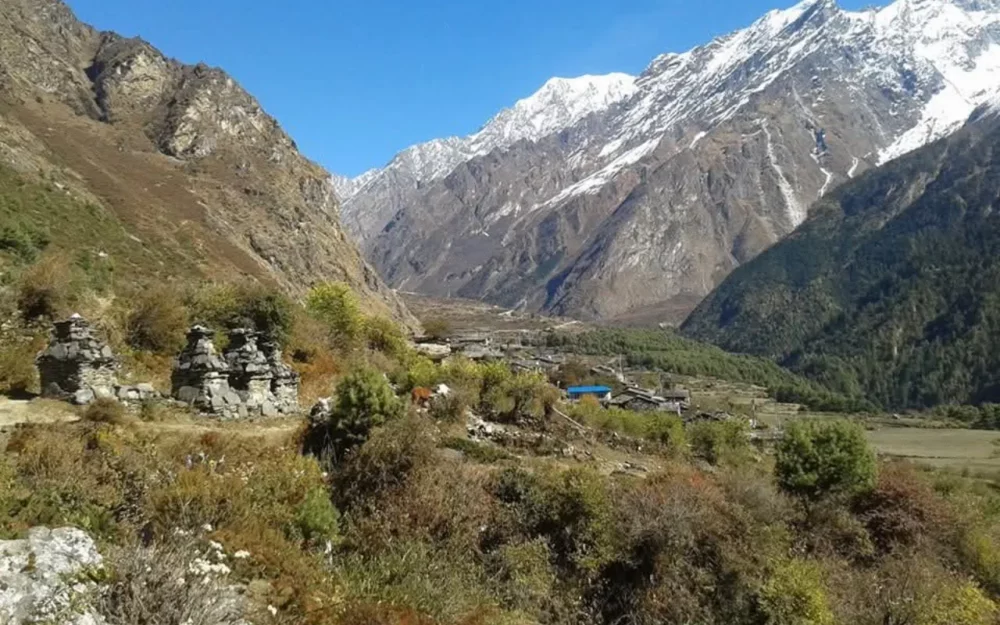
- Witness traditional Tibetan Buddhist culture in remote villages like Chumling and Lokpa.
- See across the Himalayas to view Manaslu, Shringi, Annapurna and Ganesh Himal peaks from different outlooks.
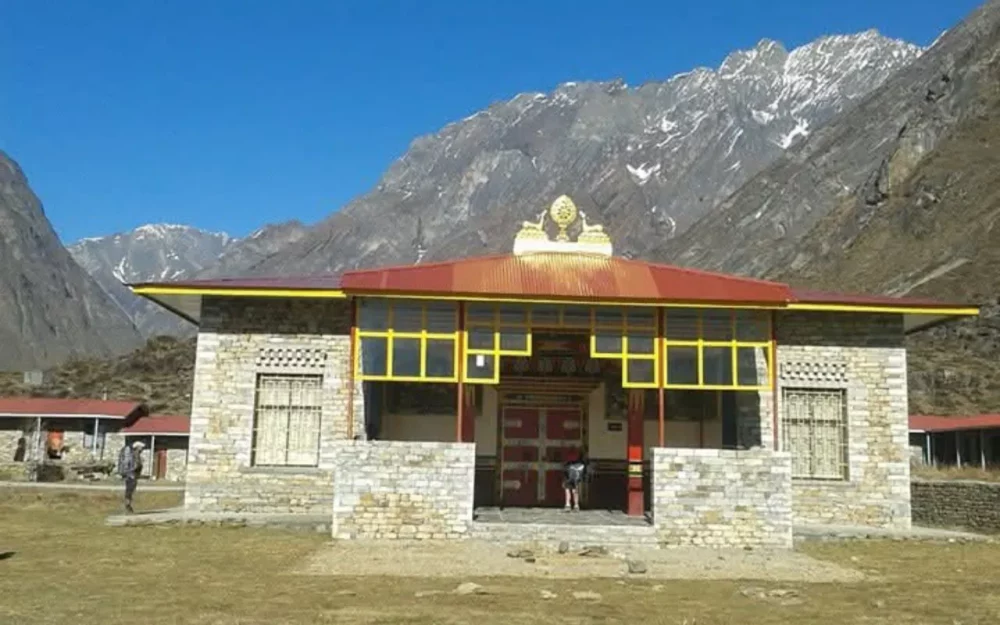
- Observe the devotion of monks and nuns as they practice their faith at both Mu Gompa and Rachen Gompa.
- Walk among tall rhododendron, bamboo, and oak trees before entering higher elevation alpine terrain.
- Enjoy the perfect opportunity to watch Himalayan tahr and blue sheep while looking for snow leopards on wild mountain paths.
- Visit remote traditional fishing communities that are sheltered from the constant presence of other travelers.
- Visit Tibetan households to experience their honest and spiritual way of life.
- Trek through traditional prayer wheels that decorate the old mani stone walls.
- Observe the stunning landscapes of Tsum Valley because its natural surroundings resemble a secret fortunate land.
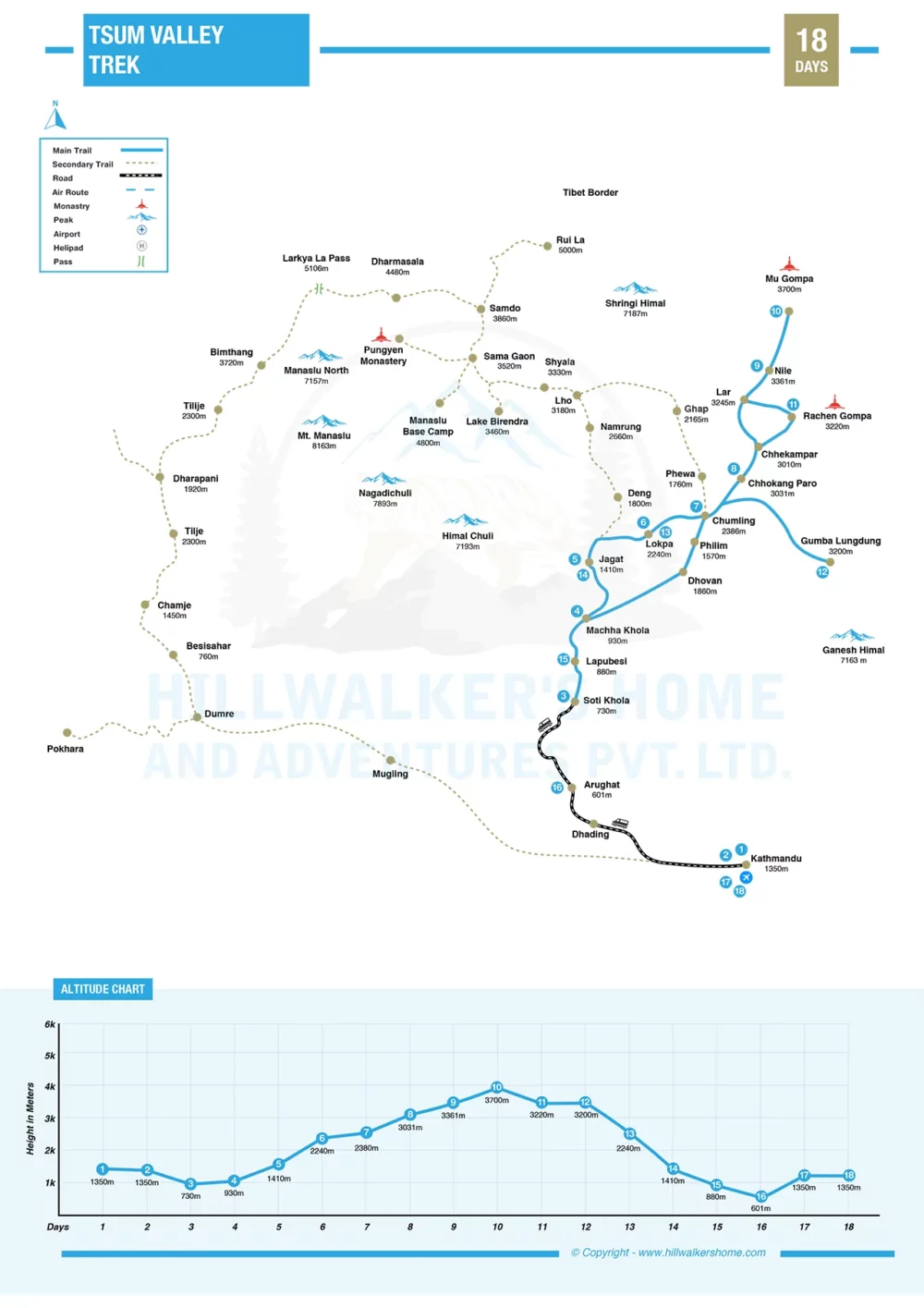
Overview of Tsum Valley Trek
The Tsum Valley Trek lets you have a unique Nepal adventure away from popular tourist trails. This trip starts driving from Kathmandu to Soti Khola and continues walking across Jagat Lokpa and Chumling.
Tsum Valley features many Tibetan Buddhist artifacts through its historic Rachen Gompa and Mu Gompa religious sites. Walking through the trail you will see sections with thick forests of rhododendron, oak and bamboo before reaching bare alpine areas.
The Manaslu Tsum Valley Trek offers majestic Mount Ganesh Himal and Manaslu while providing sightseeings of wildlife such as Himalayan tahr and blue sheep.
The trail provides solitude while showing us original villages where Tibetan culture stays strong. The trek provides adventure seekers an amazing opportunity to explore spiritual sites while enjoying views of the Himalayas.
Itinerary of Tsum Valley Trek
Day 01: Arrival in Kathmandu
Travelers reach Kathmandu to discover Nepal’s active city which combines historic temples with markets and lively neighborhoods. Reaching the airport our representative will pick you up and transfer you to a hotel in Thamel, a tourist district. You have complete freedom to unwind over the rest of the day between our activities.

Accommodation
Hotel
Meals
Dinner
Max Altitude
1350mDay 02: Preparation and Sightseeing Day
After getting organized we will tour several recognized Kathmandu attractions. We spend a short time before going on the trip to receive instructions about the activity and make purchases for our gear requirements.
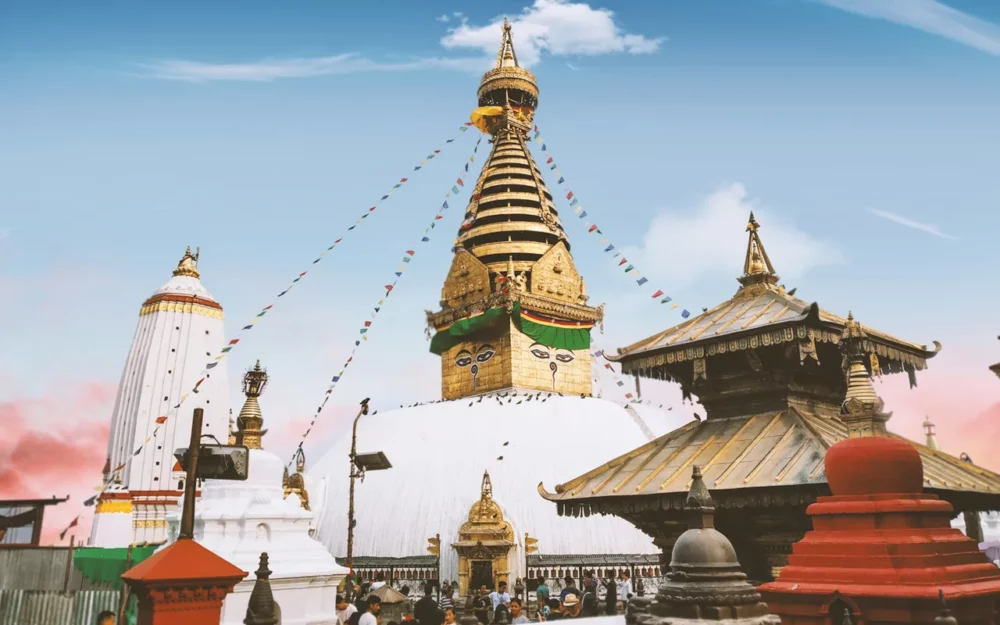
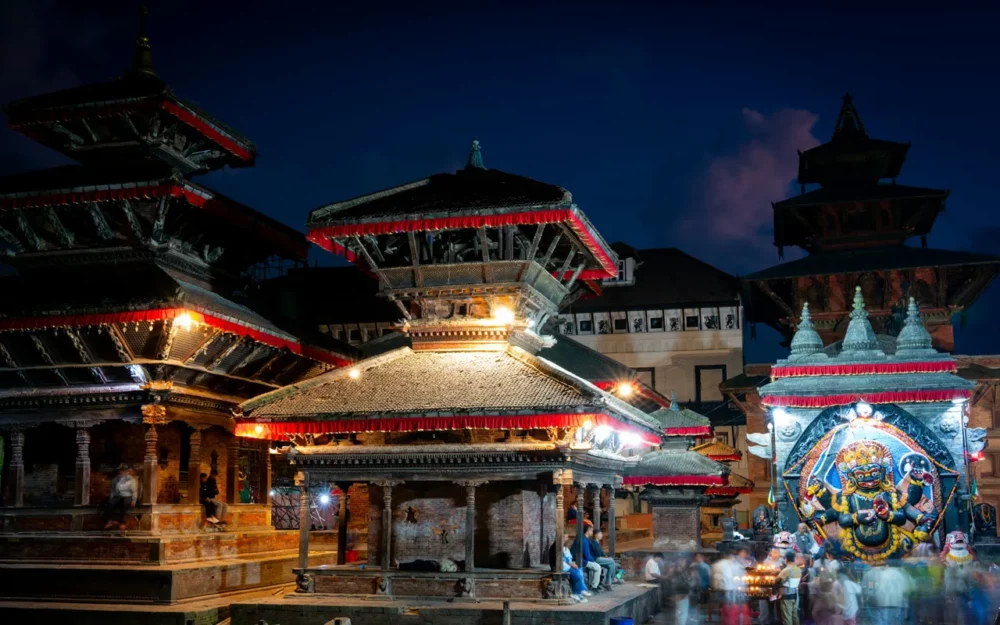
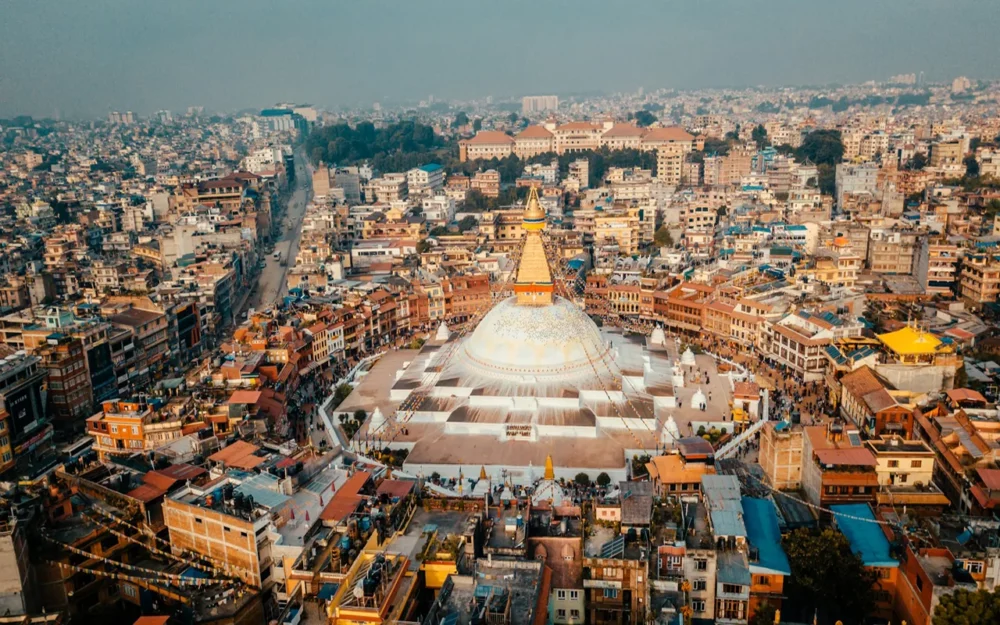
After lunch we explore the spiritual Swayambhunath (Monkey Temple) plus Hindu Pashupatinath temple and Boudhanath Stupa while also seeing Kathmandu Durbar Square historic landmarks. These landmarks feature beautiful views plus show historic past and significant spiritual aspects of Nepali heritage.

Activity
sightseeing
Accommodation
Hotel
Meals
Breakfast. lunch, Dimmer
Max Altitude
1350mDay 03: Drive from Kathmandu to Soti Khola
We set out for a lengthy drive from Kathmandu to Soti Khola where our trek will start. Our travel route goes across both hills and rice fields to reach the villages at the river’s edge. We see rural living areas in Dhading and Arughat as we travel past them.
As we arrive at Soti Khola the path transforms into challenging terrain under a cover of dense woods and numerous falls. As our arrival takes place at night, then we book a room at the teahouse and relax to the natural river sounds.
Activity
Drive
Accommodation
Guest House
Meals
Breakfast, Lunch, DinnerDay 04: Trek from Soti Khola to Machhakhola
Our trek starts with an easy forest path that goes across rocky footpaths and farmed land. Plainside we walk across rivers and meet the residents of Lapubesi who farm their land while neighborhood children say hello with their traditional greeting.
Throughout the route visitors can see waterfalls and the mighty forces of Budhi Gandaki River. Walking about six hours brings us to Machhakhola which sits on the river bank as a village. We reach a teahouse to rest after a long day filled with happiness.
Activity
Trek
Accommodation
Guest House
Meals
Breakfast, Lunch, DinnerDay 05: Trek from Machhakhola to Jagat
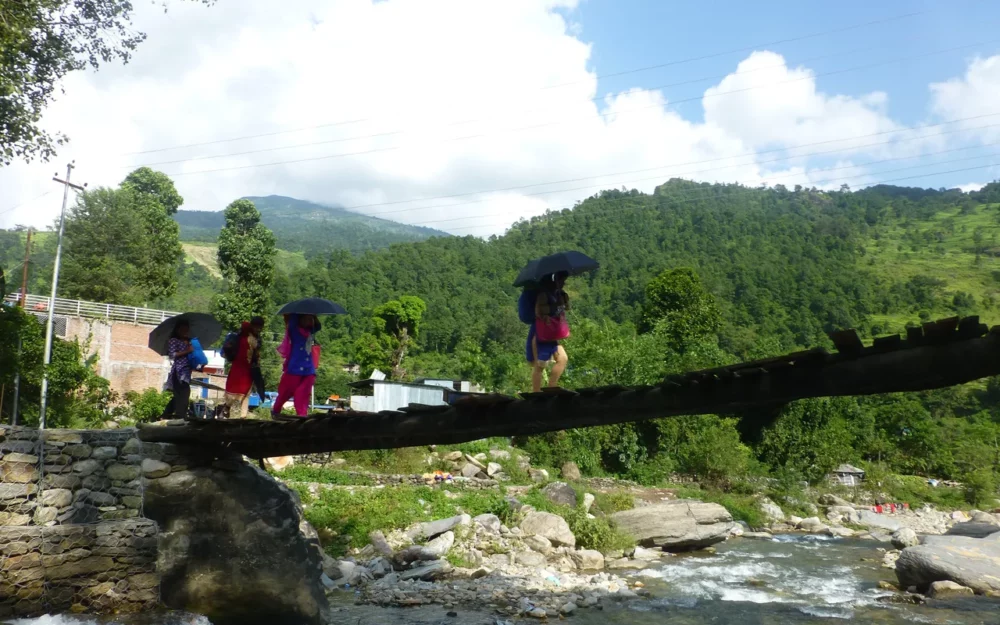
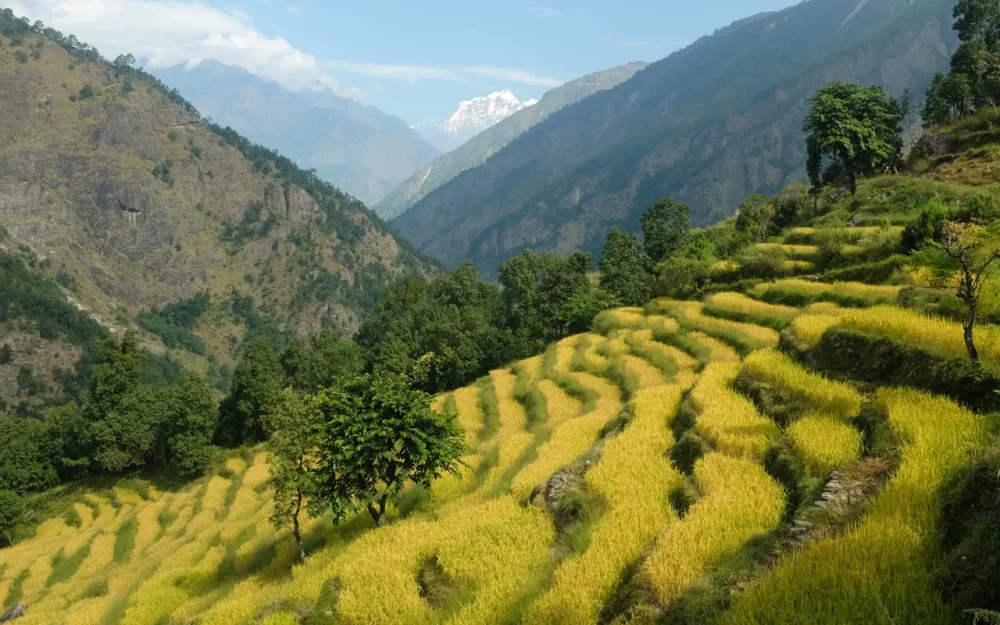
We head out from Machhakhola walking next to the stream. Our route crosses a hanging bridge after we walk through the small community of Khorlabesi which displays stair-stepped farms.
Right near Tatopani, visitors can relax at natural hot spring waters by dipping their feet into them. While walking you will see multiple stone staircases and waterfalls as the path changes between high and low areas. The community of Jagat stands out with its clean stone roads and prayer flags decorating the pretty homes.
Activity
Trek
Accommodation
Guest House
Meals
Breakfast, Lunch, DinnerDay 06: Trek from Jagat to Lokpa
We pass through the forest to Salleri which provides the first excellent view of Shringi Himal’s snowy summit. The path takes us through Philim which displays wide farmland areas and hospitable neighbors.
Our hike leads us over a long suspension bridge before turning onto the trail which hugs the edges of a deep chasm to arrive at Lokpa.
Activity
Trek
Accommodation
Guest House
Meals
Breakfast, Lunch, DinnerDay 07: Trek from Lokpa to Chumling
Today’s path leads us further into Tsum Valley while staying away from disturbance. Our path leads us through thick pine and rhododendron trees as we cross various bridges over the fast-moving water below.
The valley feels untouched to us while displaying traditional Tibetan design elements of the homes and shrines. After descending steeply and crossing another river we arrive in Chumling village to see its stone buildings and historic monasteries from our lookout point at Ganesh Himal.
Activity
Trek
Accommodation
Guest House
Meals
Breakfast, Lunch, DinnerDay 08: Trek from Chumling to Chhokangparo
Continuing along the river, we enter farm and forest paths before returning over a lengthy hanging bridge. The path rises continuously as it reveals wider mountain panoramas.
We spot prayer flags waving as we walk past mani walls written with holy texts. After several hours of walking we reach the two small townhouses of Chhokangparo.
Our surroundings change to mountains with snowy peaks and stone houses built in the traditional way appeared all around us at Chhokangparo.
Activity
trek
Accommodation
Guest House
Meals
Breakfast, Lunch, DinnerDay 09: Trek from Chhokangparo to Nile
Our trek includes more passes of ancient monastery buildings with Tibetan prayer structures. Many families show their children how to have fun at Lamagaon and Pangdun as soft spinning prayer wheels move with the air currents.
The walking path stays smooth next to the flowing river. We arrive at the Nile, the final settlement close to the Tibetan boundary. A peaceful atmosphere fills this region because of mountains on all sides plus endless star fields in the night sky.
Activity
Trek
Accommodation
Guest House
Meals
Breakfast, Lunch, DinnerDay 10: Trek from Nile to Mu Gompa
Our early morning trek leads us up into the Tsum Valley’s open area which feels peacefully sacred. The path moves through yak grazing land and traditional dry stone fence lines as it follows the river upwards.
The hills often show the sight of blue sheep. Around noon we arrive at Mu Gompa which holds the position of largest monastery throughout the area. Its position on a hilltop lets people see far into the distance while feeling both calm and religious.
Activity
Trek
Accommodation
Guest House
Meals
Breakfast, Lunch, DinnerDay 11: Trek from Mu Gompa to Rachen Gompa
We start our day after spending a relaxed morning at Mu Gompa. Walking feels smoother this morning as we appreciate religious markers and natural views which surround us.
We navigate from Chhule onward into the southbound direction until we find Rachen Gompa which creates a tranquil sanctuary in its field setting. The monastery offers simple and attractive architecture and we could talk to nuns while witnessing how they spend their days.
Activity
Trek
Accommodation
Guest House
Meals
Breakfast, Lunch, DinnerDay 12: Trek from Rachen Gompa to Gumba Lungdung
Our daily hike leads us away from others to reach Gumba Lungdung, a remote mountainside monastery. We step through empty woodlands and farm areas as we hear birdsong and the rivers beyond.
Since there are few trekkers on this path we experience a private and tranquil atmosphere. Sleeping at the monastery helps us create a unique spiritual bond with the Tsum area.
Activity
Trek
Accommodation
Guest House
Meals
Breakfast, Lunch, DinnerDay 13: Trek from Gumba Lungdung to Lokpa
We start descending from the upper valley region with our trip. Our outbound trail seems different at this stage as the mountains fade behind us while the ground turns greener.
We repeat our path through Chhokangparo and Chumling by crossing all the same bridges and stone steps towards Lokpa. It feels like homecoming as we return to Lokpa because we recognize the surrounding places. We stop in the teahouse to enjoy the peaceful vistas before us.
Activity
Trek
Accommodation
Guest House
Meals
Breakfast, Lunch, DinnerDay 14: Trek from Lokpa to Jagat
On the last part of our Manaslu Tsum Valley Trek, we exit from the restricted Tsum Valley area to resume our path on the primary Manaslu trail. We navigate through pine trees before descending rock steps and crossing deep ravines over narrow bridge crossings.
After passing through Philim and Salleri the trek returns us to these familiar villages where we have time for conversations or memorable views of Shringi Himal. After arriving at Jagat we spend our last night next to the mountains.
Activity
Trek
Accommodation
Guest House
Meals
Breakfast, Lunch, DinnerDay 15: Trek from Jagat to Lapubesi
We follow the Budhi Gandaki River downstream as we return to our previous path through the different forests and small villages. Our path has become well known now so we walk slowly amid the last views of mountain landmarks and streams.
We depart Machhakhola to arrive at quiet Lapubesi where houses stand next to agricultural land. In the peaceful weather we take our time to talk with villagers while enjoying dinner.
Activity
Trek
Accommodation
Guest House
Meals
Breakfast, Lunch, DinnerDay 16: Trek from Lapubesi to Arughat
The trekking period comes to an end today. Along the route, we cross farmland and bamboo groves down to minor villages near the river. The environment grows more tropical and temperatures rise.
The Tsum Valley trek finishes when we arrive at Arughat after proceeding through many hours of walking. After reaching the end of our adventure we enter a lodge with happiness and serenity.
Activity
Trek
Accommodation
Guest House
Meals
Breakfast, Lunch, DinnerDay 17: Drive from Arughat to Kathmandu
Our return to Kathmandu starts after eating breakfast as we drive through multiple curves and explore lush terrain along road side settlements. Despite the long travel time we unwind by observing the passing rural scenery.
The urban atmosphere of the city surprises us because nature was our main environment for so many days. After checking into our hotel room we take a hot shower before heading out to have our last meal among many choices including pizza and Nepalese traditional food like dal bhat.
Activity
Drive
Accommodation
Hotel
Meals
Breakfast, Lunch, Dinner
Max Altitude
1350mDay 18: Departure Day
Our Manaslu Tsum Valley Trek comes to an end. Based on our flight schedule we can choose to walk quickly through Thamel to purchase keepsakes or unwind with a coffee.
The trip ends with departure from Nepal by air while holding happiness about spending peaceful days in mountains along with locals and fellow monasteries. Our departing flight from Kathmandu brings back to us a simple yet holy memory of our time in the Tsum Valley.
Meals
Breakfast
Max Altitude
1348mTrip Information - Good to Know
Best Time to Trek Tsum Valley
You will find the best trekking conditions in Tsum Valley from spring (March to May) and autumn (September to November) seasons.
The two seasons offer excellent visibility of mountains along with reliable weather during spring and fall. During spring the rhododendrons produce magnificent blooms and autumn delivers yellow fields alongside fresh air.
The monsoon months June through August are to be avoided because rainstorm conditions create slippery paths with heavy rainfall and leeches. During the winter months of December through February, Mu Gompa stands as one of the coldest towns in Tsum Valley due to significant snow accumulation that obstructs the path.
So, it is recommended to trek during spring and fall seasons when you will experience the most stunning sceneries while walking safe trails and spending peaceful days.
Difficulty and Fitness Level for Tsum Valley Trek
The Tsum Valley Trek challenges most hikers with moderate to strenuous difficulty but does not surpass their abilities. This trek does not demand tricky climbs or mountain passes yet demands physical endurance.
You will need to walk about 5 to 7 hours per day across rocky routes with steep inclines and restricted paths. People who regularly take part in casual walking and stair climbing can handle the demands of this hiking route.
Cardio training and strength training, particularly of your legs will greatly enhance your readiness for the trek. Walking for 7 hours becomes harder starting on Day 6, yet the pace remains gradual. Trekkers experience success when they possess a favorable outlook and basic preparation techniques.
Altitude Sickness and Acclimatization
Hikers developing Acute Mountain Sickness (AMS) happen mostly above 2,500 meters because of decreased air pressure. In Tsum Valley Trek, the symptoms of altitude sickness often manifest above Chhokangparo at 3,000 meters and near Mu Gompa at 3,700 meters.
People experience headaches followed by nausea and extreme tiredness along with sleep difficulties. Everyone without exception feels this sickness so hikers must develop a slow pace while drinking enough water plus taking breaks.
Part of our plan includes allowing time to adjust to altitude before continuing higher. Our team must descend speedily if dizziness and breathlessness from altitude sickness worsen.
Keeping warm and nourished plus abstaining from alcohol assists in preventing altitude sickness symptoms. Following your personal physical responses and guidance ensures your safety when you go to high altitude.
Tsum Valley Trek Essential Permits
You need special permits to visit Tsum Valley since Nepal controls this area actively. You need several permits to visit Tsum Valley such as the Restricted Area Permit, MCAP, and ACAP.
As the trek falls under a restricted zone, you need a Restricted Area Permit which costs $40 per person for the first week and after that, it is an addition of $7 per person per day.
Furthermore, Manaslu Conservation Area Permit and Annapurna Conservation Area Permit, both of which are used to preserve fragile nature and community costs $30 for each.
The authorities monitor all necessary permits as you progress through this trek. Our licensed trekking agency secures all entry permissions in Kathmandu for you to start your trek.
You must bring your identity documents and bring a set of passport photographs. The law bans entry into the valley when you don’t have all required permits.
Flora and Fauna on the Tsum Valley Trek
Natural beauty abounds across the Tsum Valley trail since different plants and animals live throughout its length.
The trek starts with pine forest to lower levels that feature rhododendron, oak and bamboo trees. In spring, pink and red rhododendrons bloom beautifully. The green trees decrease steadily with elevation and always make space for alpine shrubs and pastures.
The local wildlife mainly consists of Himalayan tahrs along with the musk deer and blue sheep. Snow leopards live nearby but sightings are very uncommon. You will experience the songs of Himalayan monals and cuckoos while you walk. The trail passes through untouched territory that feels like a natural museum because it remains peaceful.
Cultural Experience during the trek
The trek through Tsum Valley provides you with unmatched cultural exploration in Nepal. The area has strong Tibetan Buddhist traditions and many of its residents trace their heritage back to Tibet.
The trek includes exploring Mu Gompa and Rachen Gompa as well as seeing traditional Buddhist prayer practices such as statues and flag displays. Every local person extends their happiness through “Tashi Delek” greetings.
Visitors receive warm invitations into the daily lives of villagers as well as monks and nuns particularly in Chhokangparo and Nile. Even today basic living patterns dominate this region including stone houses and farming yaks alongside annual celebrations such as Lhosar. Spending time here gives you a peaceful spiritual relief from the modern world’s hurry.
Food and Accommodation Along the Route
The tea houses along the track provide basic sleeping rooms and prepare home-style meals. Twin-sharing bedrooms at the route offer thin mattresses and blankets. Most restrooms are common areas that remain outside. Certain villages in the area provide hot water services and charging facilities at budget-priced rates.
Teahouses offer homemade meals with daily fare including traditional dal bhat (rice with lentils) and vegetables plus Tibetan bread, noodle soups, thukpa, and fried rice. Up the mountain our meals become easy and always bring warm satisfaction. Smaller tea houses provide pancake-toasted breakfast items plus pasta dishes and eggs in lower altitude zones.
Travel Insurance for Tsum Valley Trek
Travelers to Tsum Valley Trek must include travel insurance in their preparations. The trek crosses remote high-altitude areas where medical crises require significant medical funds.
You require travel insurance to protect you when hiking above 4,000 meters and for helicopter rescue, medical treatment and other trip-related emergencies. Select a plan that covers helicopter rescue services because you need this protection against altitude sickness and injuries.
Store your insurance documents both on your mobile phone and with your guide. Before beginning the trek all Nepalese trekking companies require proof of insurance to ensure your safety.
Frequently Asked Questions
What kind of power options are available during the trek?
Power is limited. Teahouses charge a small fee to power electronic devices through solar or generator energy. Bring an extra power source for your devices as electric power is scarce on this trip.
How cold does it get on the Tsum Valley Trek Itinerary?
The freezing temperature (below -10°C) rule temporarily sets in when you reach altitude areas especially during nighttime. The trekking region stays mild during spring/autumn but keeps cold temperatures at night.
Can I use my phone on the Tsum Valley Trek, and what’s the network coverage like?
Phone coverage is patchy. NTC works better than Ncell in remote areas. Keep using your phone only at essential times while spending your phone break away from technology.
Are there any ATMs or card payment options on the Tsum Valley Trek?
No ATMs or card facilities on the trail. Get Nepalese currency from the banks of Kathmandu or Arughat before starting the trek.
What kind of gear is available for rent in Kathmandu?
The rentable equipment includes jackets, sleeping bags, hiking sticks, boots, backpacks, and other items. Shops in Thamel offer both budget and high-quality gear.
Do I need a guide or porter for the Tsum Valley Trek Itinerary?
An official guide comes as a required part of Tsum Valley hikes. Since hiring porters is your choice we find hiring them useful when our equipment weighs heavy on the extended height trek.
Trip Reviews
 Write a Review
1650 US$
Group Discount Price
-
1 -
1 person
US$ 1700
-
2 -
5 people
US$ 1650
-
6 -
10 people
US$ 1625
-
11 -
16 people
US$ 1600
-
17 + people
9999
US$ 1600
Total Cost:
US$ 1700


How to book a trip?

make free inquiry

