


Mount Kailash Tour

Trip Duration
16 Days
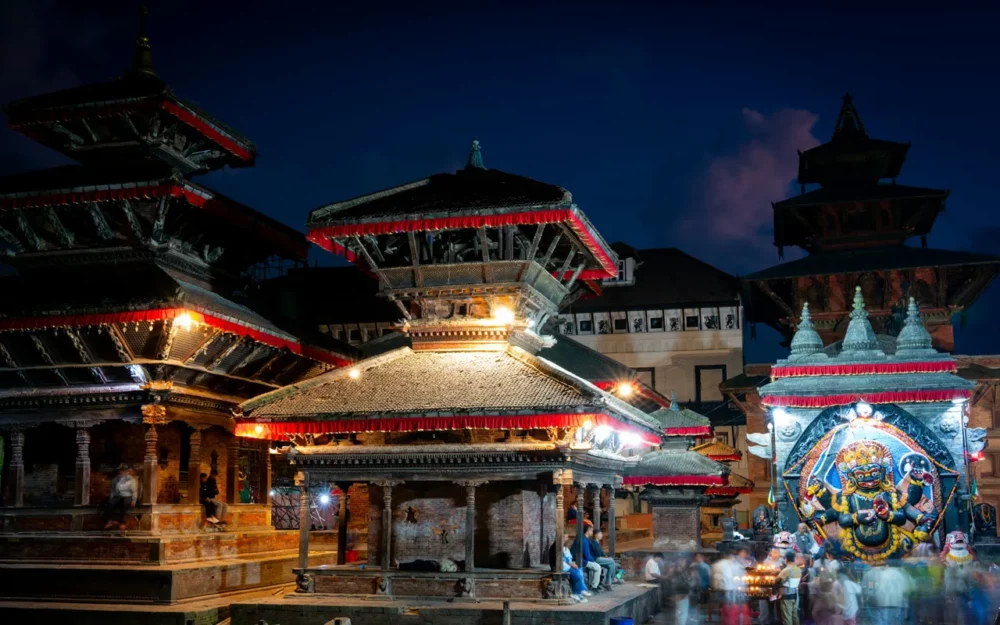
Group Sizes
1-16 People
Destination
Tibet
Max. Altitude
6,638m. / 21,778ft.
Best Season
Sept-Nov/Mar-May
Activities
- Tour

Difficulty
Easy
Meals
- 15 Breakfast
- 15 Lunch
- 15 Dinner

Start & End Point
Kathmandu
Accommodation
- Hotel
- Guest house
Trip Highlights
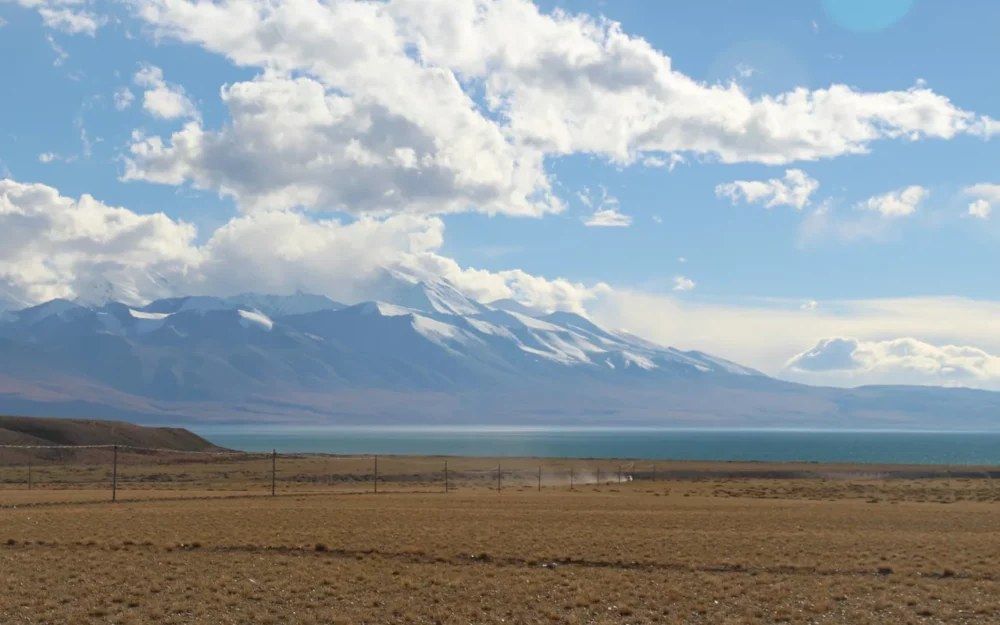
- Visit the 4590-meter-high Lake Mansarovar and hopefully take an icy dip in its holy water.
- Visit a number of centuries-old monasteries and experience the Tibetan Buddhist culture in its truest form.
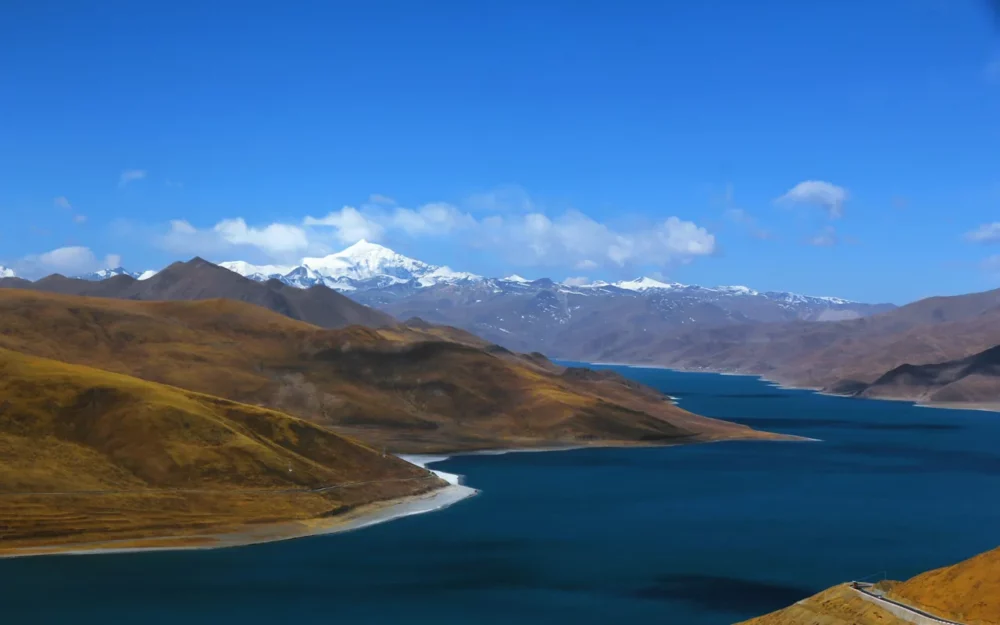
- Pass a couple of high mountain passes and enjoy a scenic panoramic view of the region.
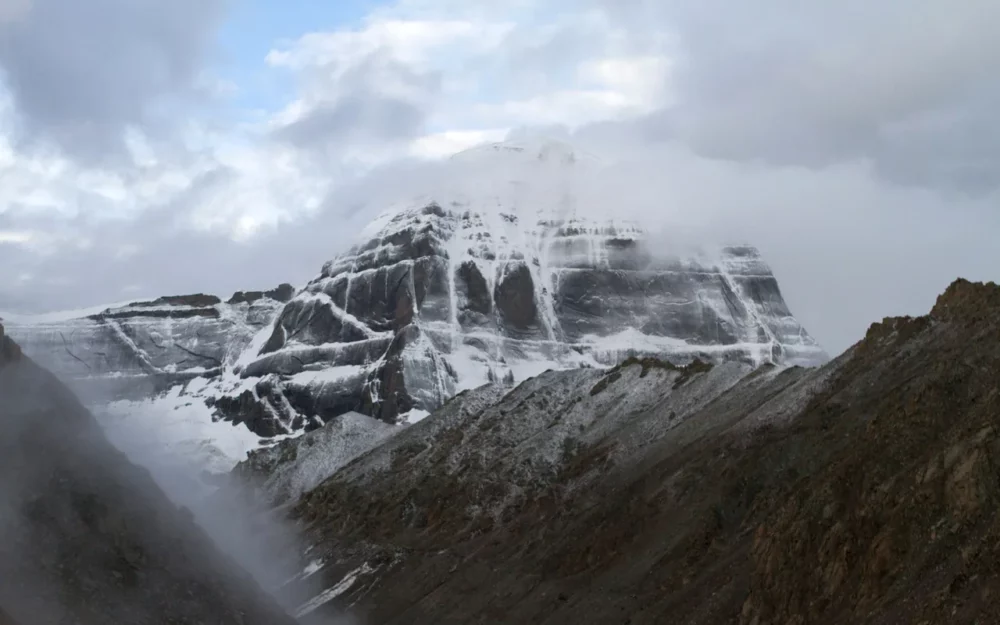
- Enjoy a clear view of the northern face of Mt. Kailash with a dramatic sunrise scene.
- Visit Goddess Parvati’s Lake, also known as Gauri Kunda, along with other sacred lakes in the region.
Overview of Mount Kailash Tour
Reaching 6638 meters above sea level, Mount Kailash is the most sacred mountain in Hindu mythology, believed to be inhabited by Lord Shiva. This peak lies in the Ngari prefecture of Tibet, visited by thousands of devotees year-round. Our Mount Kailash Tour package is one such journey that takes you to its base and also the sacred Mansarovar Lake.
Mount Kailash is considered a holy place by followers of Buddhism, Bon, Jainism, and Hinduism. This mountain has been described in the holy books of all those religions in one way or another. While Hindus believe it to be the home of Lord Shiva, the Jains consider it the place of liberation, and the Buddhists consider it to be inhabited by Demchok. Given its highly revered status as a holy peak, Mt. Kailash has never been climbed, and not even a single attempt has been made since the local laws do not allow it.
The standard pilgrimage trek takes you on a 54-km long trek, covered over a period of 3 days, wherein you will ascend for 2. This circuit is also called Kora by many. The main destinations within these 3 days are the Dirapuk Monastery, the 5,645-meter-high Dolma La Pass, and the Zuthulpuk Monastery. Other notable sites along the tour include the Peiku Tso lake, Gauri Kunda Lake, Mansarovar Lake, Labug-La Pass (5200 m), and more.
Ever since the pandemic, the Chinese government has put a hold on welcoming tourists to visit the amazing Mt. Kailash region. It has been 5 long years since this region has been restricted for international tourists, however, news has surfaced that the Mansarovar tour will open once again on June 30, 2025. So, you’d better start preparing for the tour if you are dead serious about visiting this holy and gorgeous place.
Here’s everything you need to know about the Mount Kailash Tour. Our detailed breakdown of the tour package should help you decide if this journey is worth your time and effort. Stick with us till the end to know it all.
Itinerary of Mount Kailash Tour
Day 01: Arrival at Kathmandu Airport and transfer to the hotel
The first day of the Mount Kailash Tour has you arrive at the capital city of Kathmandu. At the airport, you will have to get your tourist visa approved. To do this, you will have to fill out an application form that you can get in the immigration section. After filling it out, you have to pay your visa fees at the nearby counter and get a bank receipt. Then you have to present it along with your visa application form and other required documents.
You must have your passport that is valid for 6 more months, proof of accommodation, return tickets, and two passport-sized photos. This application process will be over within an hour, thanks to the easy visa-on-arrival procedure that most international tourists can enjoy.

Accommodation
Hotel
Meals
Dinner
Max Altitude
1350mDay 02: Tibet Visa Processing/ Free Day
Today, we will apply for our Tibet Travel Permit. The government of China oversees the region of Tibet, so it is a bit restrictive. For instance, you have a very low chance of getting the permit if you apply individually. The local government prefers visitors to be a part of a tour group or at least apply for a permit through an authorized and licensed travel agency.
You will have to submit your original passport, two recent passport-sized photos, a visa application form, and visa fees payment slip. The Mount Kailash Tour guide will collect these documents from you and present them to the corresponding authority. They are open from Monday to Friday, so plan your tour accordingly, in a way that you don’t waste a day or two.
Accommodation
Hotel
Meals
Breakfast, Launch, Dinner
Max Altitude
1350mDay 03: A half-day sightseeing tour of Kathmandu valley
Day 3 of the Mount Kailash Tour takes you around the historic valley of Kathmandu. We will begin the half-day tour with a visit to Pashupatinath Temple. This temple is the most sacred Hindu temple in Nepal, dating back to the 5th century. The temple has a very intricate design, based on the traditional Nepalese architecture and Tibetan Pagoda style.
From there, we will head to the Bouddhnath Stupa, a popular Tibetan Buddhism site in the valley. This stupa dates back to the 6th century, with a bunch of different interesting mythology stories of its foundation. Leaving this site, we will go to Swayambhunath Stupa, a historic religious center sitting on the top of a small hill. As you climb up its stairs, you will be accompanied by several hundred monkeys that dominate the woodland around the hill.
Likewise, we will visit the Kathmandu Durbar Square, Patan Durbar Square, Pottery Square, and more. This is a half-day tour, which means we will end the sightseeing at around 1 PM. We will drive around the city in a private vehicle.
Accommodation
Hotel
Meals
Breakfast, Launch, Dinner
Max Altitude
1350mDay 04: Leisure Day (Tibet Visa Collection Day)
On this day of the Mount Kailash Tour, the tour guide will collect all your permits from the Chinese Embassy. After 2 whole days of waiting, we will finally get our long-awaited Tibet Travel Permit. It is very important that all your details on the permit and your passport match, without any mistakes. So, please check for any errors on your permit.
You will have the whole day to yourself; you should check out the local handicraft shops for souvenirs or try the local specialities. There’s so much to do and explore in Kathmandu that you will be busy for weeks, but also make sure that you are ready to move the next day. Pack everything you need and stock up on the supplies you might need during the Mount Kailash Tour.
Accommodation
Hotel
Meals
Breakfast, Launch, Dinner
Max Altitude
1350mDay 05: Drive from Kathmandu to Syabru Besi (1450 M) or Timure 1900m (Nepal/China Border)
Today, we will drive to the Tibetan border, either to Syabrubesi or Timure. From Kathmandu, we will head north and leave the valley, passing by Sunkhani and Thanapati. Then, we will head west and pass Thansing and Dhikure to reach Bidur. From there, we will take a sharp right turn, heading north once again, towards Nuwakot, along the Trishuli River. This is the Pasang Lhamu Highway that takes us all the way to Timure.
First, we will reach Syabrubesi, the starting point of many Langtang region treks. This town is a charming settlement that offers a great staycation. If you prefer, we can call it a day after we reach there, or we can move forward and reach Timure, which is almost 12 km away. This last part of the drive will last around 30 minutes, while the whole ride will probably have us on the road for 8 to 9 hours, covering 134 km.
Accommodation
Guest House
Meals
Breakfast, Launch, Dinner
Max Altitude
1900mDay 06: Drive to Kyirong (2900 M)
This is the day we will finally enter the Tibet region. Spending the last night in Sybarubesi, we will have a leisurely morning meal before heading to Timure. The actual border of Tibet and Nepal is called Rasuwa Gadhi, which is about 3 km away from Timure. First, we will cross the Nepalese side of the border, presenting all the required documents. Then, we will get over to the Tibetan side.
The Mount Kailash Tour guide will inform you on what documents you need to keep readily available. After passing the immigration and customs procedures, we will officially enter Tibet and drive to Kyirong town, aka Kerung. This town is about a 40-km drive from the border, taking about an hour to reach.
Accommodation
Guest House
Meals
Breakfast, Launch, Dinner
Max Altitude
2900mDay 07: Rest Day at Kyirong
Today is the first acclimatization day on the Mount Kailash Tour itinerary. Thai town sits at an elevation of 2900 meters, offering a great altitude for acclimatization. To make the most out of your time, you should explore the town, go on walks, and taste some local dishes. You are also free to engage with the locals and witness their daily lives as they perform their daily chores. It is absolutely mandatory to spend this rest day in Kerung since we will be reaching a higher elevation in the upcoming days.
Accommodation
Guest House
Meals
Breakfast, Launch, Dinner
Max Altitude
2900mDay 08: Drive to Saga (via Labug-La Pass)
Spending a rest day at 2900 meters of elevation, today we will drive all the way up to 4600 meters, reaching Saga. This drive will cover around 305 km with an estimated driving time of 7 to 8 hours. However, the highest point of today’s drive is 5200 meters at the summit of Labug-La Pass. Leaving Kerung, we will first get to the base of this pass. From the summit, you get to enjoy a wide panoramic view of the Tibetan Plateau. We will also pass by the Peiku Tso lake, sitting at 4590 meters above sea level.
Accommodation
Guest House
Meals
Breakfast, Launch, Dinner
Max Altitude
4600mDay 09: Drive from Saga to Mansoravar
Day 9 of the Mount Kailash Tour covers over 500 km, taking us to Lake Mansarovar. The elevation gain of the day is very minimal, with a total driving time of 7 to 8 hours. We will cross the vast Tibetan Plateau, passing arid and barren landscapes with views of high peaks and remote villages. As we progress further, the arid vegetation turns drier with beautiful views of the surroundings and clear blue skies. As we approach the lake, the crystal-clear water seems like a giant mirror reflecting the bright blue sky and mountains nearby.
Accommodation
Guest House
Meals
Breakfast, Launch, Dinner
Max Altitude
5636mDay 10: Puja at Mansarovar – then drive to Darchen
Today, we will engage in a worship ritual as per the practices of Hinduism. If you are down for it, we will start the day 9 of the Mount Kailash Tour with an icy cold bath at the lake. The summer daytime temperature ranges from 9°C to 21°C, while winter remains around 0°C or below. During the peak travel season, the daytime temperature ranges from 5°C to 15°C, making it a challenging task to bathe in the icy water of Lake Mansarovar. However, it is a test of faith that many devotees complete.
After that, we will gather round a sacred fire, burning fragrant woods. The priest there will bless us and put a tika on our forehead. You are expected to donate a few bucks in the name of god. Following our religious ritual, we will take a 1.5-hour drive to Darchen, covering 40 km.
Accommodation
Guest House
Meals
Breakfast, Launch, Dinner
Max Altitude
5636mDay 11: Drive from Darchen to Tarboche Flagpole and Trek to Dirapuk
Today, we will have to trek a considerable distance, covering 20 km to get to Dirapuk, the first trekking day of the Mount Kailash Tour itinerary. This trek will gain us 200 meters of elevation with an estimated trek duration of 6 to 7 hours. The day starts with a drive to Tarboche, also known as Yamadwar. We will reach after just 7 km of driving. The trekking trail is barren, but the views are very satisfying with sightings of Mt. Kailash and Chuku Monastery along the way.

Activity
Trek
Accommodation
Guest House
Meals
Breakfast, Launch, DinnerDay 12: Trek from Dirapuk to Zutulpuk via Dolma la pass
Day 12 of the Mount Kailash Tour is the most exhausting day of the tour, as we will trek over 22 km to get to Zutulpuk Monastery. This trek will have us cross the Dolma La Pass, reaching 5630 meters, the highest point of this trek. The total estimated trek duration is 8 to 9 hours.
From Dirapuk, the trail ascends sharply towards the Dolma La Pass. This part of the trek is difficult and tiring, to say the least. The descent from the pass is steep as well, passing by the Gauri Kunda Lake, taking us to the 4790-meter-high Zutulpuk Monastery.
Activity
Trek
Accommodation
Guest House
Meals
Breakfast, Launch, Dinner
Max Altitude
4790mDay 13: Trek from Zutulpuk to Darchen and drive back to Saga.
Today is the final part of the sacred Kora, we will end the trekking day of the Mount Kailash Tour itinerary by descending to Darchen. It is an easy trekking day as we just have to cover 12 km, which should take about 3 to 4 hours to complete. The trek starts with a gradual descent and narrows as we move further. After completing the descent, we will get on a short ride to Saga, finishing the travel requirement of the day.
Accommodation
Guest House
Meals
Breakfast, Launch, DinnerDay 14: Drive back to Kyirong City
Day 14 is the start of the drive back to Kathmandu. We will drive over 180 km to get to Kyirong, which should take no more than 4 hours of driving. From 4600 meters of elevation, we will lose about 1900 meters of elevation and arrive at Kyirong. After days of barren vegetation, we will finally see some trees and lush hill slopes today as we lose elevation. However, the senses of the Himalayas will always be there.
Accommodation
Guest House
Meals
Breakfast, Launch, Dinner
Max Altitude
2900mDay 15: Drive back to Kathmandu
The following day, we will leave the Tibet region and drive back to Kathmandu. From the border at Rasuwa Gadhi, we will travel over 137 km to get to Kathmandu, which should take about 9 hours to complete since the road condition is not as good as Tibet’s and there are many twists and turns. First, we will pass by Timure, reach Sybarubesi, and have a short refreshment break there before continuing the drive. From there, we will get down to Dhunche, where we will have our lunch, and reach Trishuli Bazaar, indicating that we are close to our destination of the day.
Accommodation
Hotel
Meals
Breakfast, launch, Dinner
Max Altitude
1350mDay 16: Final Departure from Kathmandu
This marks the official end of the Mount Kailash Tour. After we are done with the final procedures, we will hold a short farewell ceremony, celebrate your successful tour, and transport you to the Tribhuvan International Airport as per your flight schedule.
Meals
Breakfast
Max Altitude
1350mTrip Information - Good to Know
How does our trip start?
The Mount Kailash Tour starts with your arrival at Kathmandu, which counts as the 1st day of the tour. From Day 2 to Day 4, we will apply for the Tibet Travel Permit and go on a day sightseeing tour around Kathmandu. On the 5th day, we will finally drive to the Nepal-Tibet border, following the Pasang Lhamu Highway. The following day, we will finally cross the border and enter Tibet.
Difficulty
If you do this tour without any sort of physical preparation, you will definitely find it difficult to trek the 54-km-long route that spans 3 days. However, with easy and proper preparation, you will breeze through the trekking days without breaking a sweat. The trek starts from Tarboche and ends three days later after we reach Darchen. All in all, this trek is very doable; you can even bring along kids and elderly people, provided that they are capable of walking and that they prepare well for the Mount Kailash Tour.
Best seasons
The best seasons to visit the Mansarovar Lake are spring and autumn. However, in practice, you can do this trek at any time throughout the year since the Tibet region is not affected much by the monsoon period. The annual rainfall it receives is just 460 mm; one of the driest regions of the world, excluding hot deserts.
Despite it being open whole year round, there are definitely some seasons that are better than the others. For instance, spring and autumn offer better outdoor conditions in comparison to winter and summer. While spring and autumn have mild daytime temperatures with very low chances of rainfall, the winter season is very cold, with temperatures plummeting below zero degrees. Likewise, the summer season can be a bit too warm, and this is also the time when Tibet receives most of its annual 460 mm rainfall.
Altitude Sickness
The highest point of this Mount Kailash Tour is Dolma La Pass, which has us reach 5630 meters above sea level. This is a considerable height, prone to altitude sickness if we do not follow the correct preventive measures. Our tour guide will teach you the preventive measures of altitude sickness, and we will also have an acclimatization day to let our bodies adapt to the sudden change in atmosphere and climate.
The majority of our nights during the touring days will be spent at over 4000 meters, which is a considerable elevation, but we will keep track of your oxygen levels every night and every morning. The guide will look for any early signs of altitude sickness to mitigate it before it even sprouts.
Accommodation, Food and Drink
In general, accommodations are arranged on a twin-sharing basis, meaning two travelers of the group will share one room with two single beds. This is the standard arrangement, but a flexible one since we can also arrange a private room just meant for a single person, at a price. You will have attached bathrooms in every room.
You will find plenty of Indian food options on this tour since most of the tourists who visit Lake Mansarovar are Indians. Dishes like Veg Biryani, Palak Paneer, Paratha, Chana Masala, Pulao, Dal Roti, Matar Paneer, Dal Makhani, and more are available at most eateries. In contrast, you can also try Tsampa, momo, Tibetan noodles, Thukpa, Sha Phaley, Yak Meat Dishes, and other regional dishes. Your drink options are different types of tea, including butter tea, masala tea, lemon/black tea, etc, canned juice, soda, and more.
Transportation
During the initial days of the tour, we will take you on a sightseeing drive around Kathmandu city, followed by a drive to Syabrubesi or Timure. After that, we will cross the border and get into Tibet, and drive all the way to Kerung. We will have plenty more drives in Tibet and ultimately make it back to Kathmandu to end the tour. All of the ground transportation that this itinerary requires will be arranged by us, and its expenses will be covered by the tour package.
Permit
The Mount Kailash Tour requires visitors to have the Tibet Travel Permit, you do not need any other permits. The expense related to this permit will be covered by the tour package.
Cost & Budget
This extensive Mount Kailash Tour package will cost you USD ______ per person. Under this package, your daily accommodation expenses, 3 meals per day (except in Kathmandu), all ground transportation expenses, local taxes, wages of the drivers and tour guides, etc, will be covered.
Gadgets charging & Internet
Charging your devices will not be a problem in Tibet, but you will face power outages during your time in Nepal. However, most hotels have a backup power supply. Internet connectivity is reliable throughout the Mount Kailash Tour.
Your Extra expenses
Any kind of flight expenses, personal travel insurance, medical insurance, extra meals, additional accommodation, any kind of beverages, tips for the crew members, etc., are your extra expenses.
Things to Remember Before Doing The Mount Kailash Tour
- The Nepal-Tibet border at Rasuwa Gadhi closes at times of political unrest or any other unforeseen circumstances, so make sure that you schedule your travel accordingly.
- The best pill you can take if you get altitude sickness is Diamox, so we recommend you carry a couple of pills with you, just in case.
- If you are feeling lightheadedness, shortness of breath, and noticeable headache, let the guide know so he can examine you for altitude sickness.
- To prepare for this trek, go on long walks for at least 5 to 6 weeks prior to the start of the tour.
- The region of Tibet loves meaty dishes; vegetarian options are available, but you should let us know at the booking phase.
Add-Ons
Upgrade Your Accommodation
As per our standard practice, we will offer you a 3-star hotel stay throughout the Mount Kailash Tour. However, we understand that some travelers might want a little more luxury. So, we are open for upgrades as long as they are viable and your preferred establishments are not full. There are many 4-star and 5-star hotels in Kathmandu and Tibetan cities, you are free to choose any one of them. This upgrade will add to the standard cost of the Mount Kailash Tour, as it is an additional service that comes at a price.
Frequently Asked Questions
Can I visit Mt. Kailash solo?
No, you can not enter the Tibet region unless you are part of a group travel organized by an authorized and trusted travel agency, recognized by the Chinese government. You will not get the Tibet Travel Permit if you apply for it independently. Without the permit, you will not be able to cross the border.
Can I use the regular Chinese visa to enter Tibet?
No, you must have a Tibet Travel Permit if you want to enter Tibet. If you enter Tibet through Nepal, your existing Chinese visa will be cancelled, as per the rules set by the Chinese Immigration authorities.
Can weather conditions affect our route?
Yes, heavy snowfall can sometimes prevent us from driving, and the Dolma La Pass might be closed if it snows too much. However, these conditions are mostly dealt with in the winter season; the other seasons are free of this possibility.
Are there any age restrictions?
No, there are no official age restrictions. However, we recommend that kids under 10 not join the tour; the same goes for elderly individuals over 65 years of age.
Can I skip the Dolma La Pass?
Yes, if you are not able to climb the pass, you can return to Darchen, following the same route we came. The rest of the group will still climb the pass and meet you at Darchen. However, you cannot turn back from the summit of the pass since the descent back is too steep and unstable, and it is also not practical as it is quicker to move forward than going all the way back.
Trip Reviews
 Write a Review


How to book a trip?

make free inquiry

