



Trip Duration
14 Days
Group Sizes
1-16 People
Transportation
Land Transportation
Destination
Nepal
Max. Altitude
5,106m. / 16,752ft.
Activities
- Trekking

Difficulty
Difficult
Meals
- 13 Breakfast
- 12 Lunch
- 12 Dinner

Accommodation
- Hotel
- Guest House
Trip Highlights
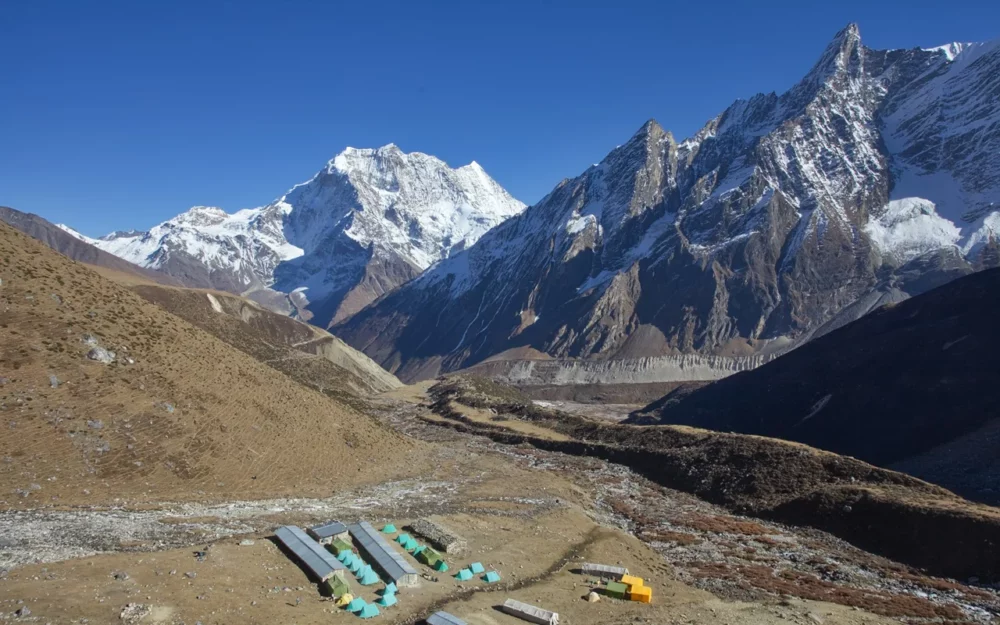
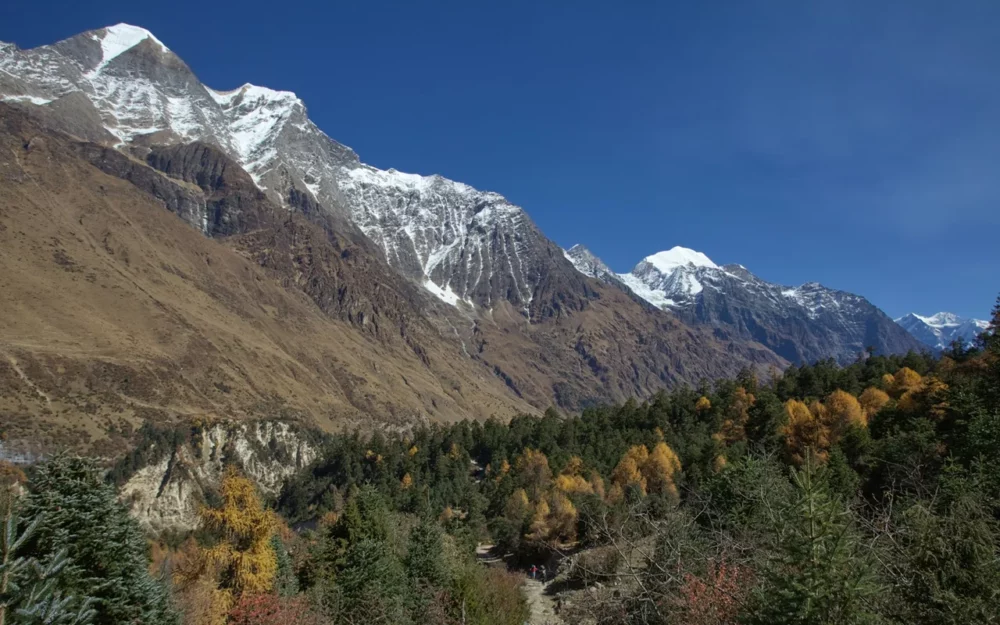
- View the amazing peaks like Manaslu, Annapurna, Ganesh Himal, and Shringi Himal.
- Experience the stunning flight towards the high-altitude runway at Lukla airport.
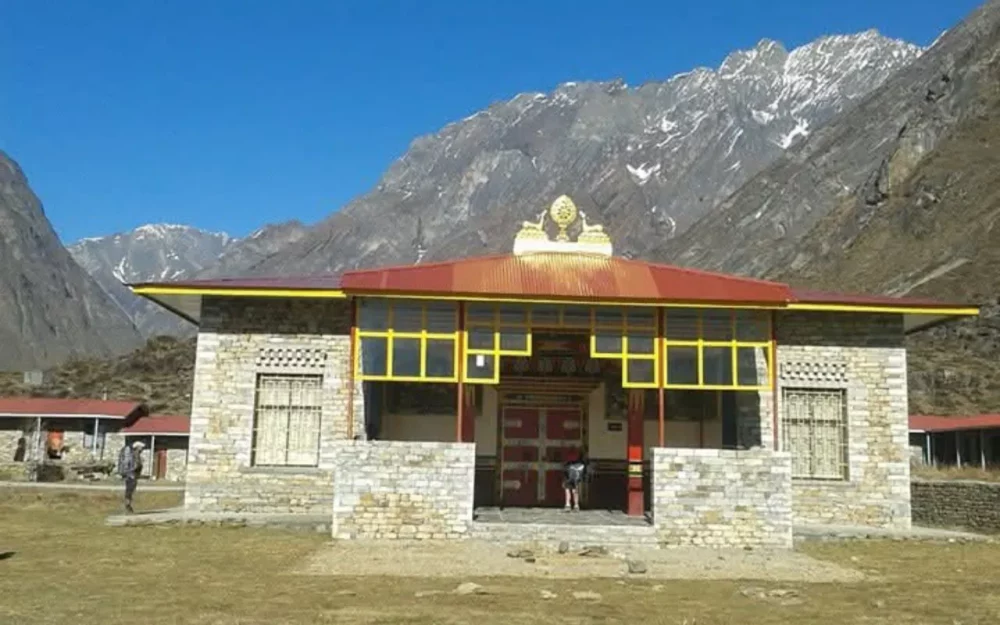
- Feel serenity at Pungyen Monastery as it overlooks the Himalayan range from its base.
- Follow historic paths while walking across the Lho and Sho.
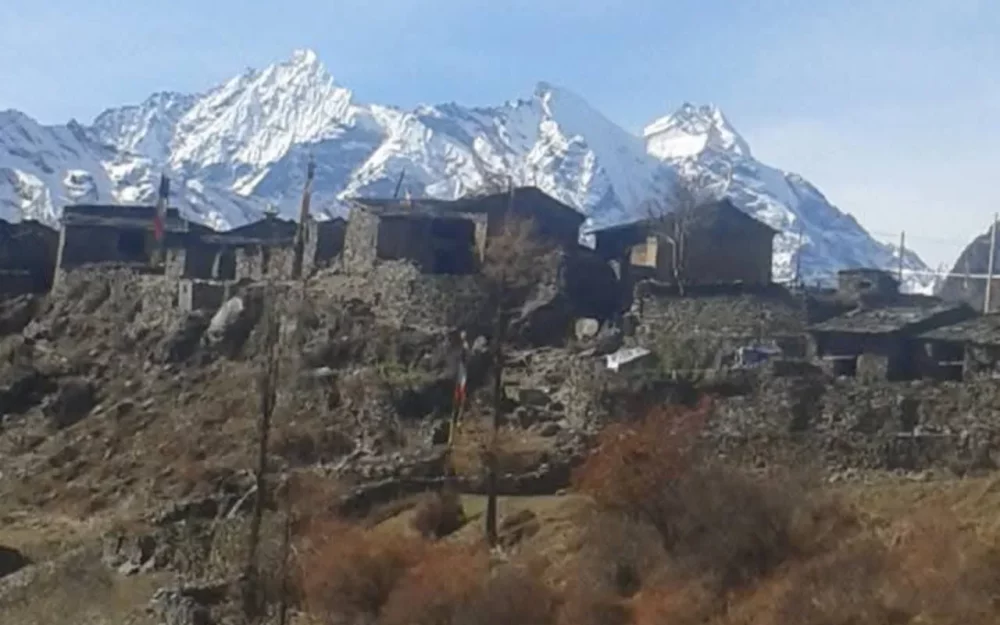
- Discover the Gurung lifestyle and market life in Lho as locals trade and practice their culture in bright settings.
- Side trips to Birendra Lake and Manaslu Base Camp during acclimatization day.
- Demanding climb to one of the highest passes, the Larkya La Pass.
- Experience wildlife such as Himalayan Tahr, langurs and rarely snow leopards.
- Watch the colorful rhododendrons forest during the spring seasons.
- Experience festivals like Dashain and Tihar in autumn and other cultural activities as per the season.
Overview of Manaslu Circuit Trek
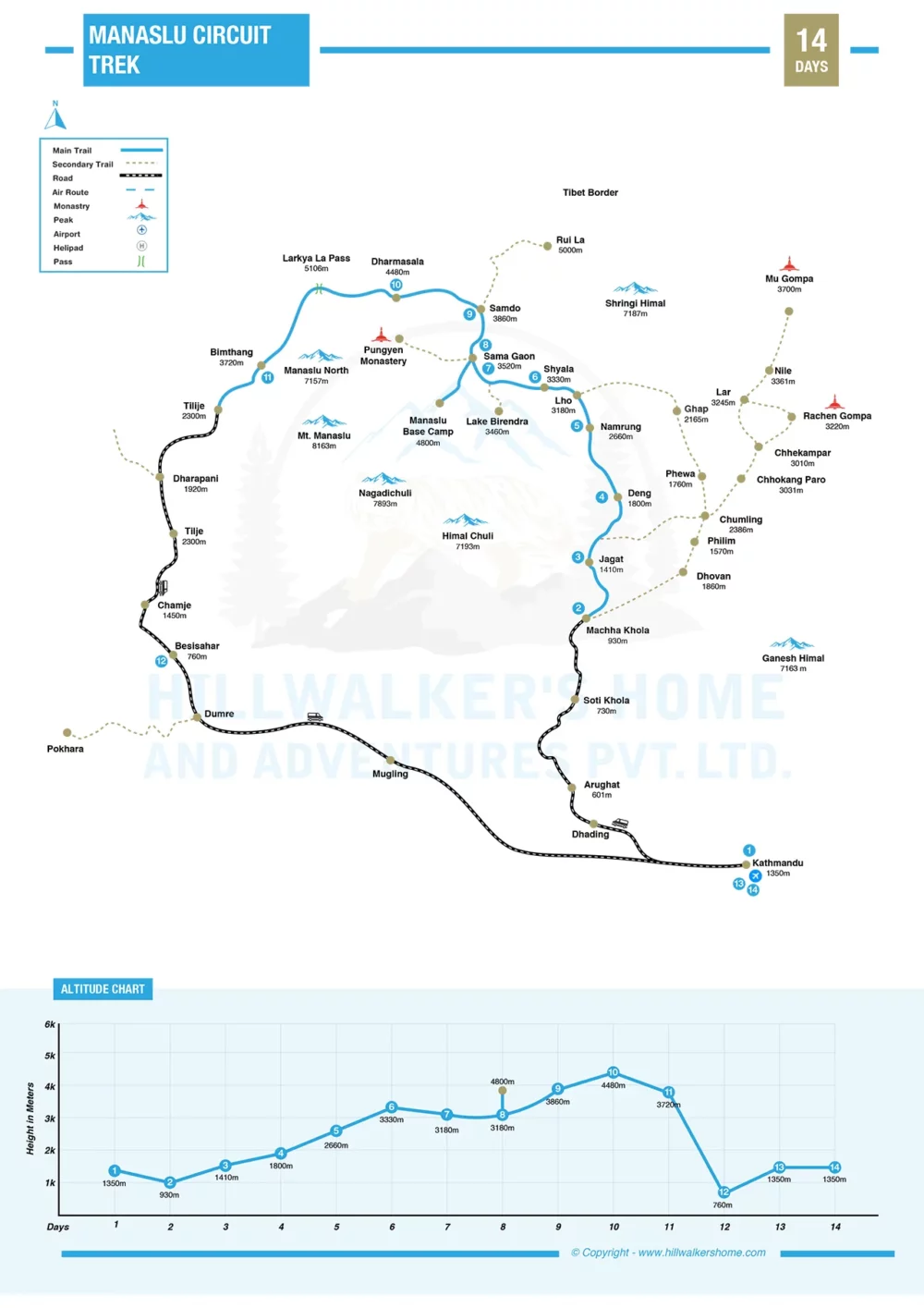
Manaslu Circuit Trek takes hikers on a wild Himalayan trek around the eighth-tallest mountain peak on Earth at 8,163m. The trek proceeds 177 to 180 kilometers from Machha Khola into high alpine forests and distinct Tibetan villages before heading up into picture-perfect landscapes.
The trek reaches its toughest and most remarkable point at Larkya La Pass where hikers pass the 5,106-meter summit before entering the Annapurna region. Manaslu gives mountaineers a chance to explore unique untouched terrain because its trails are much less popular than Everest and Annapurna’s.
During the hike, trekkers pass through many types of natural habitats and visit historic monasteries like Pungygen Gompa in areas with diverse communities while exploring untouched glacier regions.
Official rules need both a licensed guide and at least two trekkers because this trek area holds special protections. The Manaslu Circuit Trek trek offers real adventurers a perfect blend of physical testing, natural ranges, and genuine cultural encounters.
Itinerary of Manaslu Circuit Trek
Day 01: Arrival in Kathmandu (1,365 m) & transfer to hotel
As soon as you arrive at Tribhuvan International Airport your trekking agency representative will be there to welcome you with their sign. From Kathmandu airport, you will undergo visa processes before getting your belongings then ride in a private vehicle to Thamel Hotel in Kathmandu.
You have open time today to shop in stores, eat in cafes, and visit the temples of this colorful neighborhood. Our guide will organize a necessary introduction session in the evening of your arrival to review trail conditions and test your equipment.
This is a favorable time to secure any needed equipment ahead of your journey. Kathmandu stands at 1,365 meters above sea level and offers people a helpful way to develop their elevation tolerance. The friendly accommodation at our hotel creates an excellent start to our trek before we venture onward.

Accommodation
Hotel
Meals
Lunch
Max Altitude
1365mDay 02: Drive to MachhaKhola (890 m)
Before leaving Kathmandu you will ride along a beautiful yet uneven path towards Machha Khola. The drive begins on the Prithvi Highway before passing through rich hills, rivers, and stacked agricultural areas.
From Dhading Besi the drive transitions from paved roads to off-road tracks through Arughat and ends at Soti Khola. You will follow the Budi Gandaki River path to see beautiful waterfalls and meet local communities with great mountain perspectives towards your destination.
The extended stunning drive shows rural Nepal before it enters into the main country. You will stay at a teahouse hotel in Machha Khola which lies directly on the riverbank. The mountainside elevations provide a tranquil place to end the day close to the Himalayas’ base.

Activity
Drive
Accommodation
Guest House
Meals
Breakfast, Lunch, Dinner
Max Altitude
890mDay 03: Trek to Jagat (1,410 m)
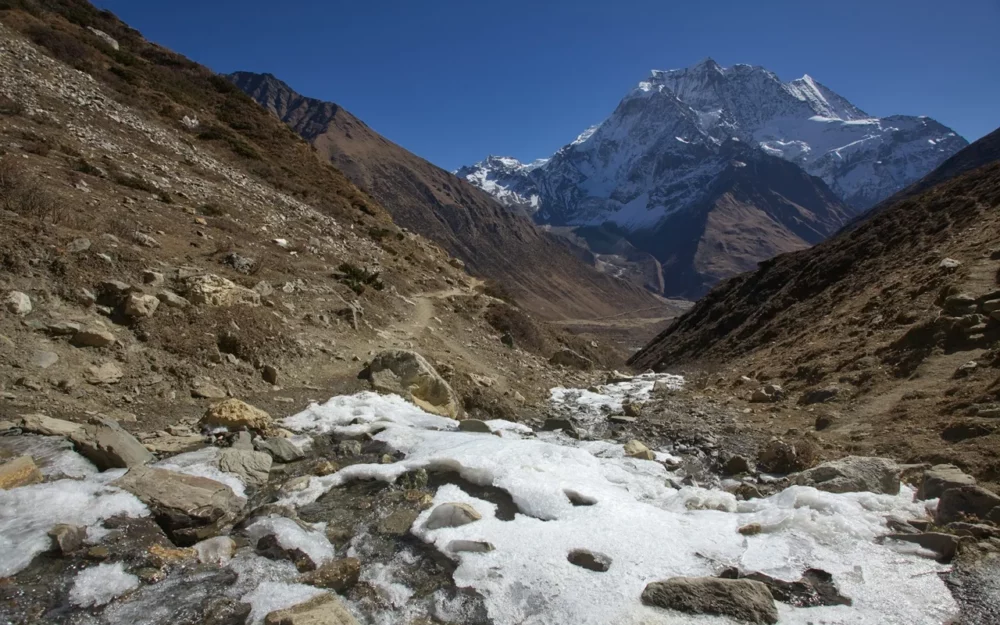
Hikers first pass a thin rope bridge before keeping to the riverbank of Budi Gandaki during their journey. The route leads through thick woods past several Gurung houses and rice terrace farms.
The trail passes through Khorlabesi for woolen capes (bokkhu) and leads travelers to Tatopani where hot natural springs await a rest. You will steadily move upward from Doban toward Yaru Phant after engaging in several bridges and high-altitude pathways.
A spectacular bridge made of a single support reaches Jagat which serves as the entry point of the Manaslu Conservation Area. Before continuing you require official permission checks and enter controlled trekking grounds. The neatly laid stone paths, mani walls, and mixed ethnic groups make Jagat a lively cultural setting. Overnight at a cozy teahouse.
Activity
Trek
Accommodation
Guest House
Meals
Breakfast, Lunch, Dinner
Max Altitude
1410mDay 04: Trek to Dyang (1,800 m)
You will walk up from Jagat through the challenging path that passes Sirdibas before reaching Philim village with its schools backed by foreign organizations. Prayer flags and mani walls multiply across the land as Tibetan culture grows stronger.
The trail goes through both bamboo groves and pine trees as it shows stunning views of Shringi Himal. You will cross the river and move through narrow ridges to Ekle Bhatti then descend for your lunch break.
The trail moves out of the gorge up to Dyang which appears as a small mountain community in a high valley area. The peaceful community presents your initial opportunity to experience Tibetan highland life. The tea house stay lets you enjoy fresh mountain air and beautiful alpine scenery throughout your overnight rest.
Activity
Trek
Accommodation
Guest House
Meals
Breakfast, Lunch, Dinner
Max Altitude
1800mDay 05: Trek to Namrung (2,660 m)
You start your hike into the forest on an easy path that crosses landslide areas so stay watchful and alert. Near Bihi Phedi the trail reveals Tibetan locals adorned in local costumes and playful langur monkeys.
The path climbs steadily up while showing more Tibetan culture as evidenced by increasing Buddhist monuments like Mani walls and chortens throughout the alpine scenery. Across the Serang Khola suspension bridge leads you to Ghap a village that shows its stone art with detailed carvings.
As you ascend further you go through thick forest until you arrive at Namrung which showcases cultural elements and stunning beauty. Namrung stands out for its terraced fields and monasteries along with the first sight line of Ganesh Himal and Himal Chuli. Visitors always enjoy their stay here.
Activity
Trek
Accommodation
Guest House
Meals
Breakfast, Lunch, Dinner
Max Altitude
2660mDay 06: Trek to Shyala (3,500 m)
From Namrung the trail goes through Lihi then Sho with their house clusters arranged in stone structures overlooking their barley fields protected by decorative gate arches. The path enters rockier terrain as dark forest cover turns into bare slopes and hidden glacier waters appear.
Climbing higher adds a fresh breeze to the air while Manaslu and its neighboring peaks stand tall in the distance. You will reach Lho where you can enjoy the view of the monastery positioned above the village. Reaching the top of Shyala brings you to this small Himalayan village sheltered by gigantic mountain peaks all around.
Most visitors prefer Shyala because its peaceful ambiance matches stunning 360° views better than Samagaun. The quiet atmosphere and ample teahouses in this area help you adapt better to more challenging altitude levels before you push further ahead.
Activity
Trek
Accommodation
Guest House
Meals
Breakfast, Lunch, Dinner
Max Altitude
3500mDay 07: Trek to Samagaun via Pungyen Monastery (3,585 m)
You climb from Shyala while descending briefly before you fork the path to reach Pungyen Monastery which rests on a quiet plateau with views of Mount Manaslu and Manaslu Glacier. A windswept field setting makes the monastery a peaceful place where monks practice their ceremonies and yaks roam freely.
When done absorbing the spiritual impact you walk toward Samagaun which stands as the biggest community in this district. When you reach here in the afternoon you can visit both monasteries and mani walls while learning about the daily life of Nubri people.
The health post heliport and WiFi in Samagaun help visitors prepare for higher altitudes. Overnight at a teahouse with breathtaking mountain surroundings.
Activity
Trek
Accommodation
Guest House
Meals
Breakfast, Lunch, Dinner
Max Altitude
3585mDay 08: Acclimatization hike to Manaslu Base Camp (4,800 m)
You spend this day strengthening your fitness levels through gradual exposure to higher altitudes. You will start a demanding yet unforgettable track from early breakfast toward Manaslu Base Camp.
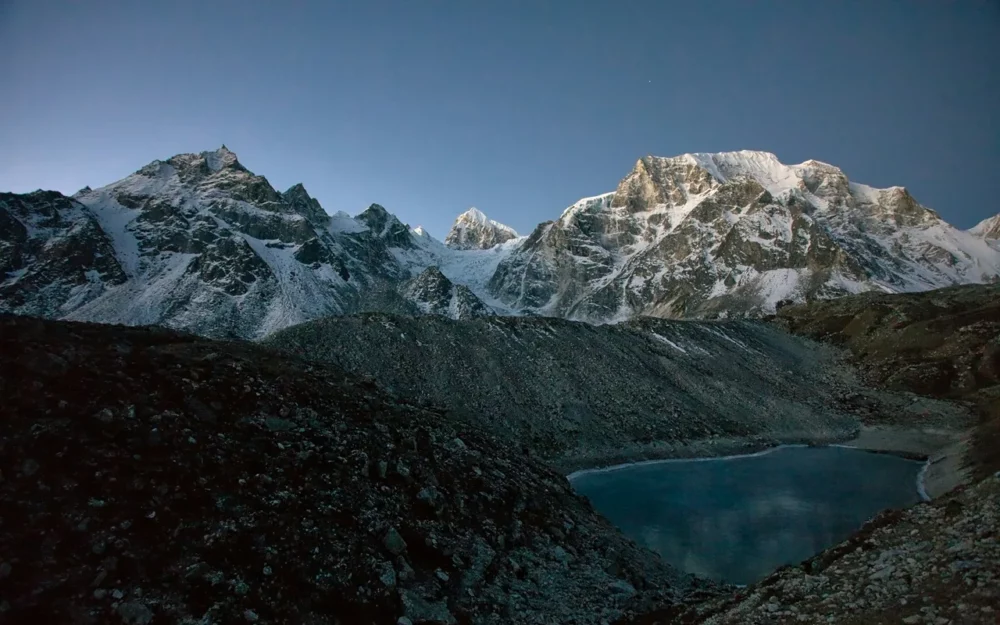
The trek follows the lake’s shoreline of Birendra as it moves into rocky pathways across glacial deposits. Because of the reduced air supply at 4,000 meters breath control and proper drinking matter the most.
You will find Himalayan Tahrs, blue sheep and marmots living successfully among the demanding hills. The view of Mount Manaslu’s icy slopes and rocky walls comes into full sight at 4,800 meters when you reach Manaslu Base Camp.
You will return to Samagaun Base Camp following your photo break and nap to rest your muscles. This walk helps you adapt to higher altitudes better before crossing Larkya La Pass.
Activity
Hike
Accommodation
Guest House
Meals
Breakfast, Lunch, Dinner
Max Altitude
4800mDay 09: Trek to Samdo (3,860 m)
The small walking distance today lets your body have extra time to adapt to the reduced oxygen level. You will start this trek by strolling up the peaceful yak pastures and open valley floor that runs parallel to the Budi Gandaki River.
As you climb up through tree lines you see astonishing views of Samdo Peak alongside Manaslu and the Tibetan Border country. After crossing a wooden bridge through the dry areas you will find Samdo where people permanently live but before you cross Larkya La Pass.
The village stems from Tibetan refugee settlement which maintains Tibetan identity through its stone structures, Buddhist landmarks and yak grazing areas. Spend your time exploring or use the afternoon to hike up for better physical adjustments.
The Himalayan blue sheep and local birds of prey such as vultures cruise through the air above. Spend the night in the high-altitude teahouse facilities.
Activity
Trek
Accommodation
Guest House
Meals
Breakfast, Lunch, Dinner
Max Altitude
3860mDay 10: Trek to Dharmasala (4,460 m)
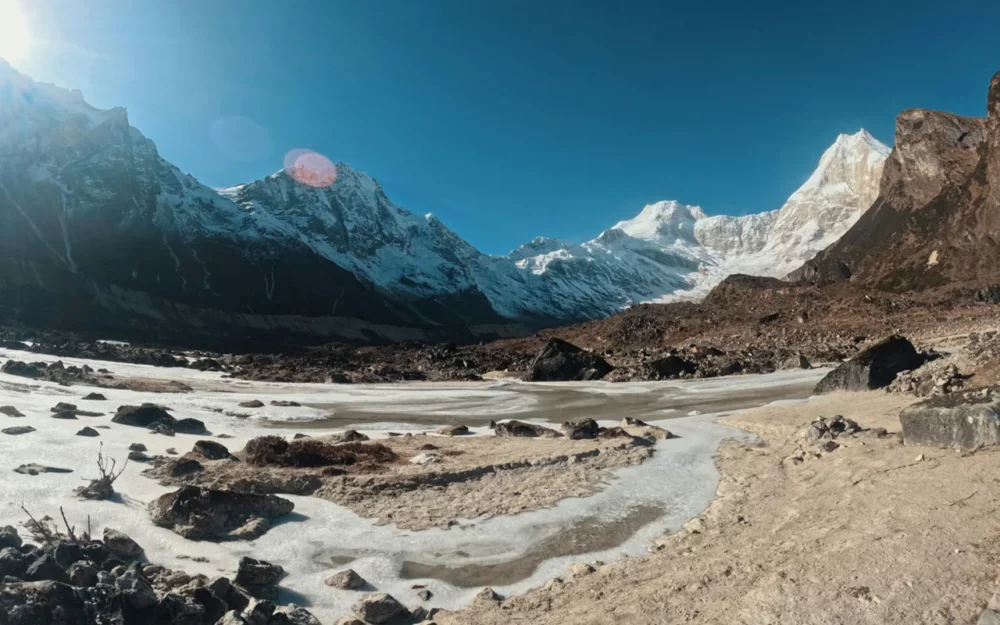
After starting from Samdo the path steadily rises through dry earth as it leaves town. Today’s hiking path reveals amazing sights that come with minimal tree cover and rocky ground covered by loose rocks as it leads to Larkya Glacier views throughout.
You will come upon seasonal yak shelters and walk across small streams toward the abandoned Larke Bazaar trading post that traded with Tibet. Dharmasala stands as a basic shelter for trekkers who prepare to cross Larkya La Pass before advancing further.
Staying options here are basic due to limited facilities that provide stone huts or tented accommodation. Enjoy your afternoon by relaxing and drinking water while enjoying magnificent mountain views.
From this location, you continue on what proves to be the toughest segment of the entire journey. We go early to bed tonight, for the next day starts before dawn.
Activity
Trek
Accommodation
Guest House
Meals
Breakfast, Lunch, Dinner
Max Altitude
4460mDay 11: Cross Larkya La Pass (5,106 m), trek to Bhimthang (3,790 m)
The biggest and final day of the Manaslu Circuit Trek starts before sunrise at 4:00 AM with headlamp illumination. The uphill path increases its slope as it passes over glacial rocks, ice slopes, and rocky slope tops.
At dawn, you see the perfect scenery of Larkya Peak alongside Cho Danda and Pawar Himal. You will stand and take rest at Larkya La Pass summit (5,106 meters) while your gaze follows the snowy skyline before and after observing the flying prayer flags.
The way down takes a significant time and distance because you need to descend from rockslides and glaciers through alpine meadows. You will pass through juniper and rhododendron areas when you return to the green zones.
After an exhausting day of trekking, you will arrive at Bhimthang Valley which lies beneath massive peaks. After all the trek’s action the peaceful surrounding of Bhimthang offers contentment like no other.
Activity
Trek
Accommodation
Guest House
Meals
Breakfast, Lunch, Dinner
Max Altitude
3790mDay 12: Trek to Tilje (2,300 m), drive to Besisahar
Having spent your night comfortably in Bhimthang you’ll traverse downward through dense green forests full of rhododendron blooms. The path descends toward Yak Kharka where Mount Manaslu’s western face becomes harder to see.
You will cross multiple wooden bridges while walking through farmlands till you reach Gho village where friendly villagers and fields of barley bring you back down to lower elevations.
Descend through the countryside following lunch to join the energy of Gurung Settlement Tilje. You reach the end of the trekking path at this point. The driver awaits at the endpoint with a vehicle to navigate down from Marsyangdi River roads to Besisahar Annapurna entry town.
Your expedition across the Himalayas reaches its conclusion at this point. The trip ends either with an overnight stay or continues to Kathmandu as you recall your Himalayan Adventure.
Activity
Drive
Accommodation
Guest House
Meals
Breakfast, Lunch, DinnerDay 13: Drive to Kathmandu or Pokhara
At breakfast you will make the descent from the mountains and get transported either back to Kathmandu or Pokhara. Driving away from the mountains takes you along picturesque rural views of rivers and farm plots so you can think about your trekking experience.
You will get time to unwind and explore the area once you arrive in the cities. You spend the night peacefully in your preferred city after completing the day.
Activity
Drive
Accommodation
Hotel
Meals
Breakfast, Lunch, Dinner
Max Altitude
1350mDay 14: Final departure
You can now choose between Kathmandu or Pokhara shopping or joining optional activities before your departure. The adventure concludes with airport pickups from Tribhuvan International Airport in Kathmandu.
You will fly home following the trek though the memories from the Manaslu Circuit Trek remain with you. Hope this next travel location bring you a safe trip.
Meals
Breakfast
Max Altitude
1350mTrip Information - Good to Know
Best Time to Trek to Manaslu
People prefer to undertake the Manaslu Circuit Trek during periods from March to May and September to November. During spring tourists find sunny days (10°C to 20°C) paired with stable weather to visit and photograph rhododendron blooms.
In autumn you can enjoy pleasant temperatures around 10°C to 15°C along with good visibility while joining Nepali celebrations. The Larkya La Pass elevation (5,106 meters) can easily be crossed during these dry months since there is little rainfall and great visibility.
During the winter months December to February, lodges remain shut due to extreme cold temperatures and large snow accumulations. Rainy monsoon season brings leeches and slippery trails but makes landscapes vividly lush and lonely.
During spring you will enjoy mountain views and nature’s beauty while autumn brings excellent views of the mountains and insight into local culture. In both seasons teahouse services run smoothly but you can find open trails. Recheck weather information and pick a local trekking company to stay safe and make the best decisions.
Difficulty and Fitness Level of Manaslu Circuit Trek
The Manaslu Circuit Trek requires good fitness and a trekking background because it ranks between moderate to advanced in difficulty. During a 13 to 18-day hike, this trek covers 177 to 180 kilometers across variable and inclined trails that reach an altitude of 5,106 meters.
Six to eight hours of hiking each day are needed to complete this trip. Crossing Larkya La Pass at 5,106 meters presents the greatest challenge due to snow and strong winds. You need to prepare your body by exercising cardio and building strong muscles plus learning to walk long distances.
Consult with a doctor becomes necessary before starting this trek for people dealing with heart or lung disorders. After reaching 3,500 meters the route grows extremely challenging so trekkers need to adjust their speed and maintain mental balance.
With professional guidance and necessary equipment plus local porters you can reach and enjoy the Manaslu Circuit Trek. Travelers love this place because it provides exceptional privacy at its natural wonders.
Altitude Sickness and Acclimatization
The risk of altitude sickness grows severe on the Manaslu Circuit Trek because it crosses 5,000-meter zones notably during the Larkya La Pass section. Altitude sickness makes people feel sick above 2500 to 3000 meters through headaches, nausea, lightheadedness and sleeplessness.
The slow ascent to altitude is important which usually means spending rest days at Sama Gaun (3,530m) and Samdo (3,875 m). The trip offers extra walking options to Manaslu Base Camp and the Tibetan border that assist the body in adjusting to high elevation.
Drinking enough water daily (4 to 5 liters) plus consuming nutritious food and steering clear of alcohol plus excessive activity makes your body more suited to high elevations. First consult a doctor before taking Diamox (acetazolamide) because you should carry it during your trip.
Move down from the mountain at once when your conditions start to get worse. The trekking team watches for Acute Mountain Sickness symptoms and will transfer injured trekkers quickly but emergency flights need medical insurance coverage. A slow approach to mountain altitude and good details about health risks makes trekking the Himalayas both safer and more pleasant.
Manaslu Circuit Essential Permits
You need to obtain three specific permits to complete your Manaslu Circuit Trek, namely, RAP, ACAP and MCAP.
The RAP (Restricted Area Permit) serves as the first requirement for this trek because of its close proximity to the Tibetan border and costs $100 for 7 days in autumn and winter months or $75 for the other months. This permit charges $15 extra per day beyond its initial validity.
The Manaslu Conservation Area Permit (MCAP) at NPR 3,000 assists with preserving the local environment. When your trail enters the Annapurna area you need to buy both the Annapurna Conservation Area Permit at NPR 3,000.
All hikers need to take help from trekking agencies to get their permits and groups must include at least two trekkers with a certified guide. These rules maintain the safety of nature and customs.
Flora and Fauna on the Manaslu Circuit Trek
The Manaslu Circuit Trek goes from trees in lowlands up to high-altitude pastures where different types of plants live together. Along the lower path (700 to 2000 meters), sal pine and rhododendron trees form thick forests.
During spring seasons the beautiful rhododendron plants begin their flowering phase along the hiking paths. Hikers moving upward find both alpine plants such as juniper and birch along with small shrubs.
The Manaslu Conservation Area contains unique flora and fauna such as Himalayan Tahr, Blue Sheep, Langurs plus occasional Snow Leopards. Those who love bird observation will see Himalayan Monals along with Snow Partridges and Lammergeiers during their trip.
The zone protects both the rare plants and animals living alongside local villages. Our actions need to protect the environment while traveling through this delicate region. The unspoiled Himalayan setting creates a perfect environment for tourists to experience Nepal’s natural monuments in total peace.
Cultural Experience during the trek
Many travelers encounter Tibetan Buddhist and local Himalayan practices while hiking the Manaslu Circuit Trek. Road walkers meet friendly Gurung people and Tibetan households in Jagat, Samagaon, and Samdo who maintain their spiritual customs.
At intervals of the trek, you can find historic Buddhist monastery compounds along the way as well as revolved prayer wheels, carved mani walls, and painted chortens.
Residents of mountain villages maintain traditional styles like wearing bakhu and docha while following established customs, particularly seeing More than One Husband In Marriage In Tsum Valley.
People mark the Lhosar festival through dancing and singing plus eating special meals. The path leads trekkers to see monks involved in meditation and nuns living in isolated nunneries. The blend of untouched landscapes and authentic cultural encounters fosters a profound appreciation for high-mountain lifestyles.
Sociocultural participation in the Manaslu Circuit Trek stands out as the most memorable part when conducted with appropriate respect.
Food and Accommodation along the Route
Basic teahouses that local families run offer lodging facilities to trekkers on the Manaslu Circuit Trek. Every bedroom features twin accommodations and basic furniture but you will need your own sleeping bag for cold nights at high elevations.
Teahouse bathrooms are shared facilities while heated showers demand an added payment of approximately NPR 300 to 700. The teahouse dining rooms bring hikers together under the heat of wood-burning stoves.
Basic local teahouses serve healthy and wheat-based meals like Dal Bhat, noodles, steamed dumplings, Tibetan bread, warm porridge, and soup as part of the dining experience. If you go to distant regions only pasta and pancakes from Western nations can be found for purchase.
Drinking hot tea coffee and boiled water is easily found throughout facilities. Solar power runs most electrical systems in upper villages though charging personal electronics requires paying a fee. Wi-Fi is rare and paid.
Although facilities remain simple the local hospitality adds much-needed comfort. Take food supplies and water filtration devices plus honor local traditions to achieve success.
Travel Insurance for Manaslu Circuit Trek
Travel insurance becomes mandatory for the Manaslu Circuit Trek because of its distant location at 5,106 meters above sea level plus the threats of health issues and environmental dangers.
Insurance must protect travelers during treks up to elevations of 6,000 meters as well as provide helicopter evacuation service which otherwise costs thousands of dollars. Your travel insurance needs to protect you from healthcare costs during your trip plus standby other expenses like trip cancellations and lost baggage plus flight delays.
Choose insurance companies that specialize in adventure tours such as World Nomads, IMG, and Global Rescue. Look closely at your policy because it might block coverage of Nepal and unsafe sports activities.
You must take out insurance when dealing with trekking permits and working with many travel agencies who also demand it. Insurance safety measures can provide necessary quick responses to altitude sickness issues.
Keep your insurance policy both as digital and printed files plus emergency contact numbers. A quality policy provides mental relief for the challenging Himalayan trek.
Frequently Asked Questions
What kind of power options are available during the trek?
Using devices while on the trek requires either solar power or electrical generation at teahouse locations. Users pay a minor cost to charge devices at every stop. Having a power bank as backup power is essential for unexpected power failures.
How cold does it get on the Manaslu Circuit Trek?
The Manaslu Circuit Trek’s temperature drops 14°F to 4°F (-10°C to -20°C) below freezing at the top, especially near Larkya La Pass’s altitude. Proper clothing is essential.
Can I use my phone on the Manaslu Circuit Trek, and what’s the network coverage like?
During the trek you can use your phone yet its connection remains weak. The phone signal becomes less reliable in the higher altitude areas. The tea house locations with public Wi-Fi are available for guest use.
Are there any ATMs or card payment options on the Manaslu Circuit Trek?
ATM services are absent from the entire trek path. Consumers must bring Nepali rupees since no ATM or card payments are available throughout this adventure. You need all Nepalese rupees required for your trekking route.
What kind of gear is available for rent in Kathmandu?
Travelers in Kathmandu can get trekking equipment at rentals including sleeping bags plus jackets alongside trekking poles and boots. Ensure quality before renting.
Do I need a guide or porter for the Manaslu Circuit trek?
Hiring tour guides and porters is helpful but you do not need to have them to complete the hike. Hiring guides and porters simplifies your journey through the trek by giving you directions and bearing your equipment. Both enhance your experience.
Trip Reviews
 Write a Review
1375 US$
Group Discount Price
-
1 -
1 person
US$ 1400
-
2 -
5 people
US$ 1375
-
6 -
10 people
US$ 1350
-
11 -
16 people
US$ 1325
-
17 + people
9999
US$ 1300
Total Cost:
US$ 1400


How to book a trip?

make free inquiry

