



Trip Duration
8 Days
Group Sizes
1-16 People
Transportation
Land Transportation
Destination
Nepal
Max. Altitude
4,593m. / 15,069ft.
Activities
- Trekking

Difficulty
Difficult
Meals
- 7 Breakfast
- 6 Lunch
- 6 Dinner

Accommodation
- Hotel
- Guest House
Trip Highlights
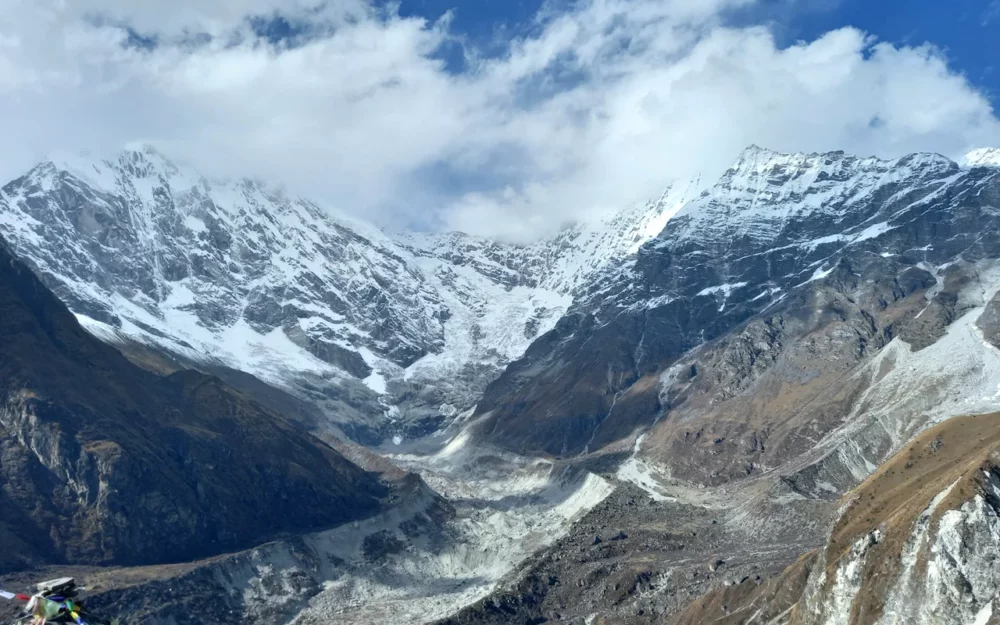
- See Langtang Lirung (7,227m) as its majestic stature appears throughout every trail section.
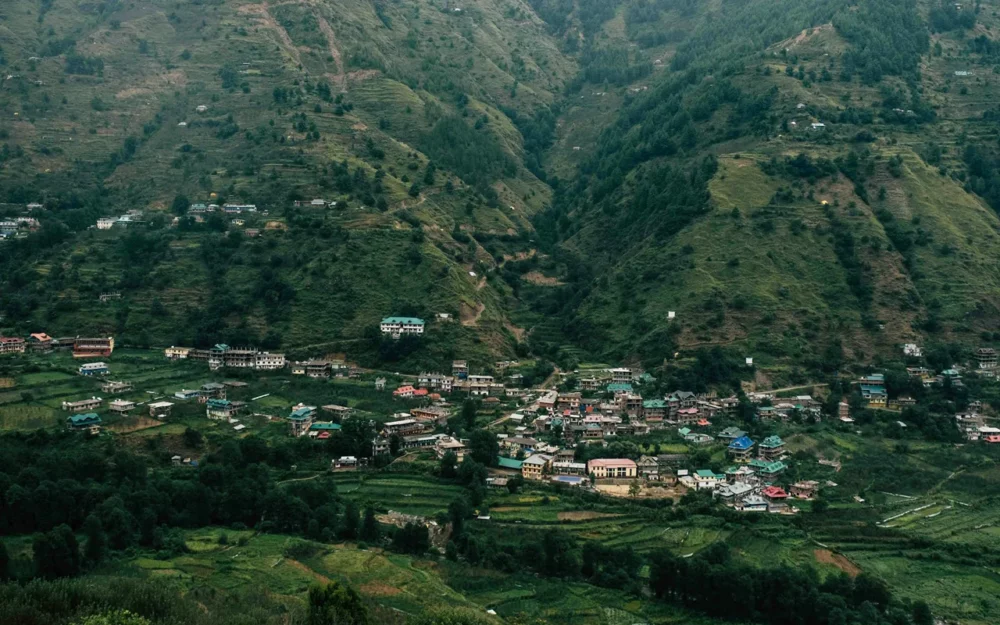
- Trek through Tamang villages with stops in Langtang and Mundu to observe local lifestyle and friendly locals.
- Discover peace and mountain beauty while exploring the 3,870m high Kyanjin Gompa which is a sacred Buddhist monastery.
- View all of Langtang Lirung, Dorje Lakpa, and Gangchempo peak ranges by climbing Tserko Ri at 4,984 meters.
- Observe the beautiful rhododendron forests during spring with colorful and aromatic views for trekkers.
- Witness Himalayan tahr and red pandas in the mountains and spot wild yaks in their natural meadows.
- Experience Buddhism through visits to prayer facilities and shrines as you create peaceful bonding moments during your hike.
- Walk from base to base while exploring different zones of Langtang National Park including its diverse habitats such as forests and mountains.
- Experience Tibetan Buddhist traditions alongside Tamang culture by trying their food and learning their customs during your time with them
Overview of Langtang Valley Trek
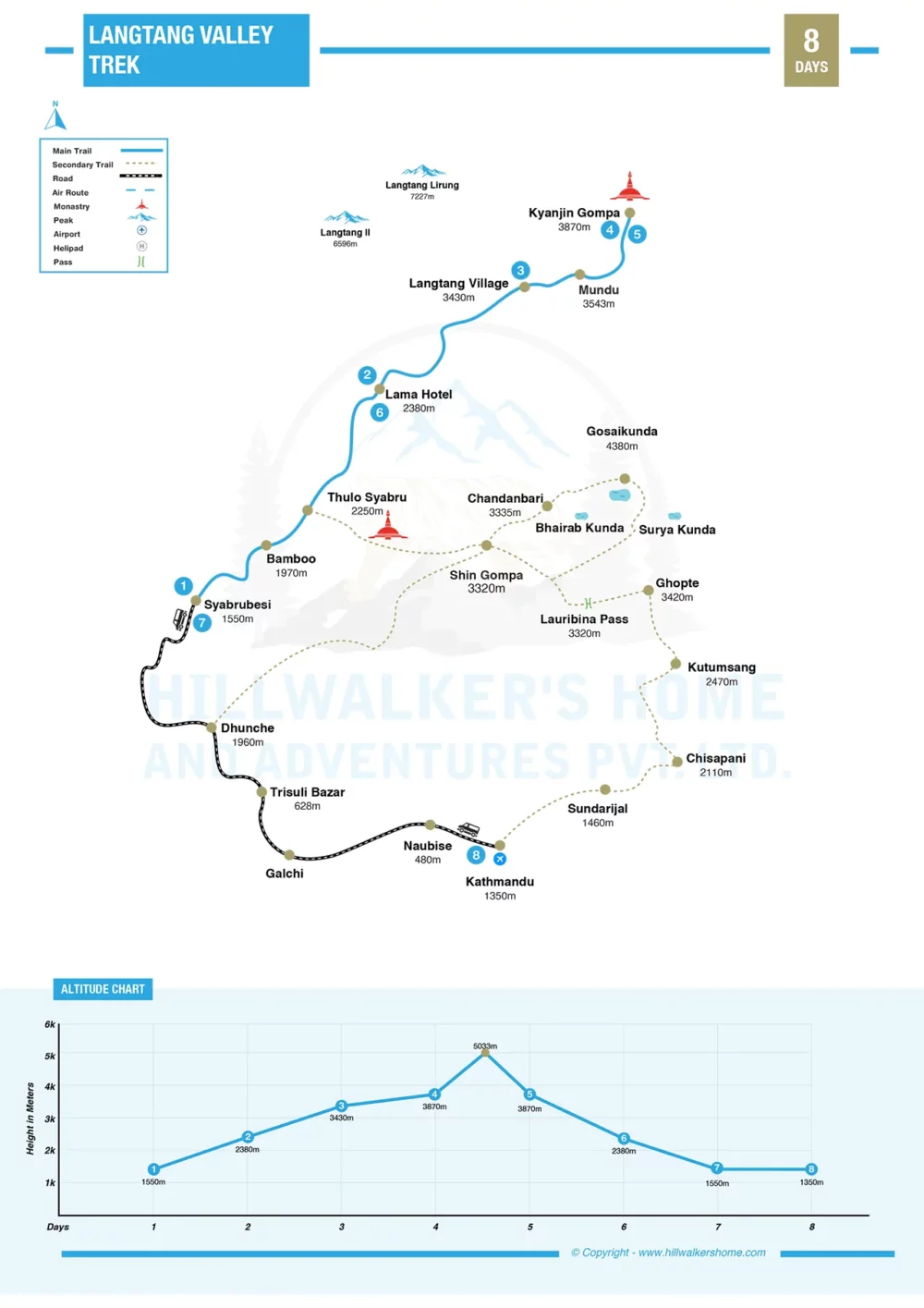
The Langtang Valley Trek provides travelers with both outdoor exploration and cultural learning experiences while offering perspective of natural wildlife and mountain landscapes. You can start on the trek at Syabrubesi after driving from Kathmandu and discover distinctive Tamang cultural elements at Dhunche, Langtang, Mundu, and Kyanjin Village.
You will enjoy high-altitude views of Langtang Lirung, Gangchempo, and Dorje Lakpa while hiking until you reach Kyanjin Gompa and Tserko Ri peaks where you can see every mountain in the range.
The trail crosses through dense rhododendron forests, bamboo thickets, and high mountain pastures during its path. Those who walk the route might encounter Himalayan tahr, red pandas, and yaks.
During past times Langtang served as a main trade path trading salt and wool between Nepal and Tibet and numerous Tibetan traditions remain in its villages. Despite heavy damage from the 2015 earthquake people in the area have recovered to follow their normal patterns of life and create unforgettable trips for visitors.
Itinerary of Langtang Valley Trek
Day 01: Kathmandu to Syabrubesi
The Langtang Valley Trek Itinerary starts through a drive from Kathmandu to Syabrubesi that you will never forget. At sunrise we start the trip from Kathmandu by following the Trishuli River path through the Kathmandu Valley towards the northern direction to Syabrubesi.
The morning sun shifts the views from city streets and shifts to agricultural hillfields that blend into small village clusters against the distant clouded ridges. The road from Betrawati turns into a challenging path that makes your vehicle (either a public bus or a jeep) bounce up the steep path until you reach Dhunche.
Ganesh Himal rises silently into view when weather conditions permit its remote observation. When you arrive in Syabrubesi late in the day you find a guesthouse and experience the welcoming mountain tea house service. Tomorrow, the trail begins.

Accommodation
Guest House
Meals
Breakfast. Lunch. DinnerDay 02: Trek to Lama Hotel
The actual Langtang Valley Trek begins as we cross a suspension bridge above the Bhote Koshi with your breakfast fare behind you and your gear ready to go. The path follows the Langtang Khola from start to end gradually transporting you into a forested world with its peaceful silence and flowing river sounds.
You spend several early hours walking under the shade of subtropical trees and bamboo groves when starting your trek. Different animal species become active in the trees while mysterious bird sounds emerge from the forest’s upper layers and you could catch a group of langurs jumping between tree branches.
After leaving Bamboo the route gets noticeably steeper but provides good places for people to pause at tea houses for refreshments. As you continue forward you discover the whole range of the valley’s depths because the river stays next to you on every path.
Lama Hotel nests within a forest setting among basic wood buildings. You eat dinner early before falling asleep and hearing both water and wind sounds while absorbing trekking’s natural schedule.

Activity
Trek
Accommodation
Guest House
Meals
Breakfast. Lunch. DinnerDay 03: Lama Hotel to Langtang Village
In the morning, we continue our hike into thick pine trees with morning fog while following the Langtang Khola river. The steep trail eases up revealing small peaks in the distance between the trees.
Ghodatabela shines as a small flat pasture in the wild environment where yaks feed and few tea houses serve hot soup. The mountains start to tower over every other feature of the sky particularly Langtang Lirung with its extensive glaciers exposed.
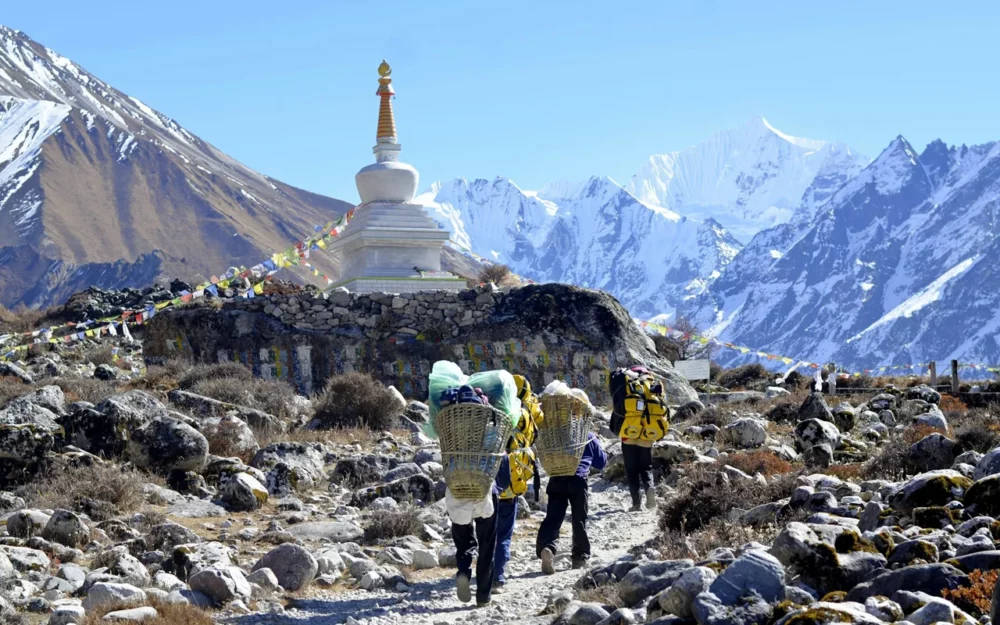
The presence of prayer wheels and mani walls tells you that human settlements will soon appear. Even though the arrival brings happiness, the memories are shadowed as the chorten stands as a silent memorial near the old village site which was previously destroyed by landslide in 2015.
Freshly constructed stone homes line the roads which feature flower decorations here while villagers greet with warm manners. You rest better tonight inside memorials that showcase experiences and strength.
Activity
Trek
Accommodation
Guest House
Meals
Breakfast. Lunch. DinnerDay 04: Langtang Village to Kyanjin Gompa
The beginning of this day’s hike is delayed because no one needs to hurry with the morning chill biting more sharply than before. We move up from Langtang after sunrise crossing yak meadows with wooden bridges above frozen streams.
The path rises through shrubland as a true alpine route that creates a quiet scene of yak bells and breezes. Small settlements at Mundu and Sindi appear as you walk before the valley of Kyanjin shows its full size.
The traditional monastery forms the core of Kyanjin but glaciers and mountain peaks encircle this place in all directions. Around noon you reach Kyanjin when clouds begin to block the sky.
Dwellers of the monastery terrain welcome you to either investigate the buildings or relax with yak cheese and tea at the regional factory while breathing in the Himalaya’s tranquility.
Activity
Trek
Accommodation
Guest House
Meals
Breakfast. Lunch. DinnerDay 05: Kyanjin Gompa to Tserko Ri then to Kyanjin Gompa
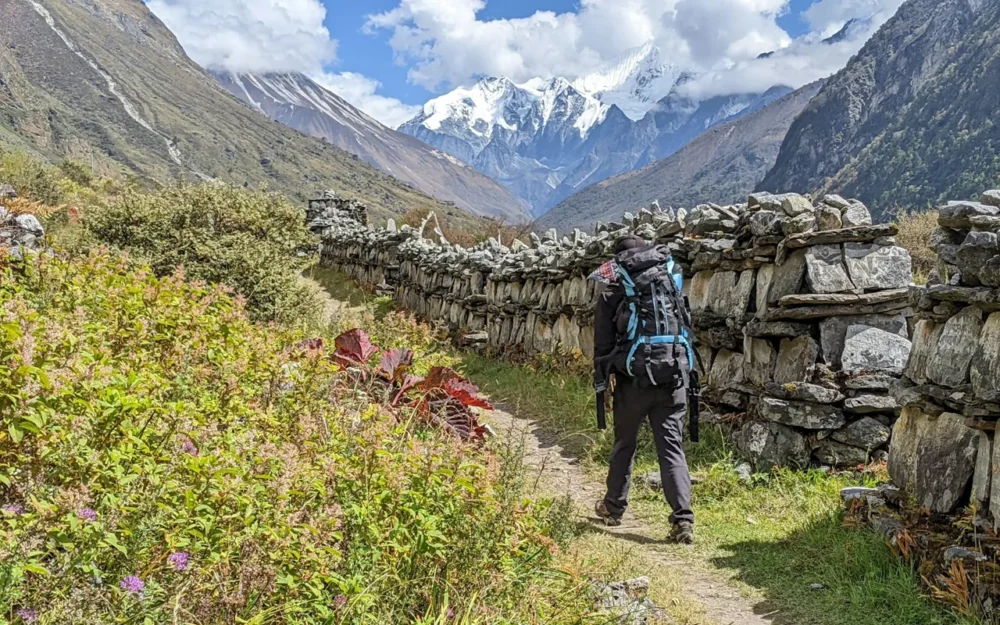
The smooth hiking trail between Langtang Village and Kyanjin Gompa takes walkers past monuments with mantras, prayer buildings, and grazing land for yaks. As the path rises in elevation the trees disappear giving way to alpine scrub patches with open skies revealing themselves.
You walk past Mundu and Sindi which are small communities with residents living their mountain traditions. After walking 3 to 4 hours a villager living under two tall mountains stands out with the religious Kyanjin Gompa building.
Near the middle of the area you will find the Kyanjin Monastery which works as both a religious site and living space for Buddhist monks who conduct daily prayers each morning. A short distance away a yak cheese factory runs the Swiss traditional cheesemaking process that began through previous cooperation.
Prayer flags dancing with glaciers surround the village as if it exists outside of time. You take your time during the afternoon to prepare yourself for another challenging mountain climb the next day.
Activity
Trek
Accommodation
Guest House
Meals
Breakfast. Lunch. DinnerDay 06: Kyanjin Gompa to Lama Hotel
At dawn you start your trek upwards toward Tserko Ri which stands as one of the highest viewpoints in Langtang. The path slopes sharply as you walk because it jumps more than a thousand meters in a few short hours but everything changes with sunrise as Langtang Lirung, Yala Peak, and Shishapangma turn fiery orange and gold.
The rocky prayer flag-perched spot gives hikers spectacular 360-degree views across snowy mountain ranges and glacial fields with their wind moving the flags. The trekking community rates this point as their strongest emotional experience during the Langtang Valley Trek.
When you return to Kyanjin Gompa you can relax while enjoying your meal and a short break after absorbing the magnificent mountain views. People use their spare time to either return to the monastery or explore the local glacier terminals. From beneath this calm tower of mountain peaks, the stunning view etches itself deeply into your mind.
Accommodation
Guest House
Meals
Breakfast. Lunch. DinnerDay 07: Lama Hotel to Syabrubesi
Your trip ends quietly as you step down from Lama Hotel. You follow your forward path into woods filled with bird chirping and flowing Langtang Khola. Your route leads back through known stops including Rimche, Bamboo then ends at steel suspension bridges moving with the air.
The hike reveals more views including orchids on moist tree trunks and natural wonders you stormed through before. Also watch langur monkeys hop from tree to tree. The return to town life in Syabrubesi marks your return to modern development.
Although tiny, it contains allurements with colorful rooftops, craft stores and pleasant lodging accommodations that seem extravagant after trekking through vivid landscapes. Many trekkers enjoy their last Himalayan meal as they remember all the mountain summits and pathways that will stay within them forever.
Accommodation
Guest House
Meals
Breakfast. Lunch. DinnerDay 08: Syabrubesi to Kathmandu
Following breakfast you drive away from the lodge to Kathmandu while exchanging best wishes with your hosts. Throughout our return drive the amazing path passes through Dhunche and Trishuli Bazaar again where everyday life in the countryside plays out in relaxed fashion as students in uniforms farm the fields while street vendors sell paneer and oranges.
The drive continues in pine-covered hills and moves to dry plains before reaching the Kathmandu Valley metropolitan landscape. During the 7 to 9 hours return trip from Tserko Ri, visitors find a chance to reflect about their visit to Kyanjin Gompa’s peace and Tserko Ri’s stillness.
At night the standard bustle of Thamel reappears through its vivid energy and vibrant atmosphere. Thoughts about Langtang’s fresh environment and religious flags keep returning to you amid Kathmandu’s city noises and road traffic.
Accommodation
Hotel
Meals
Breakfast, Lunch
Max Altitude
1350mTrip Information - Good to Know
Best Time to Trek Langtang Valley
You will enjoy the perfect Langtang Valley Trek Route conditions during the seasons before and after monsoon rain (March through May and September through November). The most excellent time to hike the valley provides quality sunny days in moderate weather conditions.
The trek to Langtang Valley looks its best during spring when rhododendron flowers decorate the landscapes while temperatures stay pleasant for visitors. In autumn, you will have dry and safe trail conditions, with clear skies that provide the best views of surrounding peaks like Langtang Lirung, Gangchhenpo and Dorje Lakpa.
The monsoon months (June to August) are normally difficult with slippery trails and risks of landslides but travelers get to have an isolated and peaceful trek. Winter temperatures fall below freezing which requires multiple layers of clothing and high navigation skills.
The good weather along with clear views and safer paths in spring and autumn motivates trekkers to select peak trekking periods.
Difficulty and Fitness Level Required
The Langtang Valley Trek Route ranks as moderate to challenging categories and it requires trekkers who are conditioned and familiar with hikes. You need solid endurance to handle consistent climb-up and ascent over 4,000 meters.
Hikers face different trail types starting from forest trails to rocky slopes until they reach Tserko Ri (4,984m) in need of solid endurance. Since this trek lacks extreme technical sections it demands physical endurance and preparation for altitude during long daily hikes.
Planning your trip ahead properly combined with physical exercise and knowledge of your stamina keeps you safe from fatigue and harm during the Langtang Valley Trek 8 days.
Altitude Sickness and Acclimatization
Anyone taking the Langtang Valley Trek 8 Days needs to prepare for altitude sickness since the route crosses the 3000-meter mark. Attaining lower oxygen levels through height affects the body and causes symptoms such as dizziness, headaches, nausea, and fatigue.
Your body needs time to adjust to high altitudes to avoid such risk of this sickness. You will safely move toward higher ground because the trail takes small steps up while you have stayed at Kyanjin Gompa and Tserko Ri.
Keeping hydrated while going slowly during the trek plus recognizing initial signs of sickness reduce your danger factors. Going down to lower elevations becomes necessary right away when sickness intensifies. Implementing these acclimatization techniques reduces the health risks during your hike.
Essential Permits
Trekkers must receive several required permits to take on the Langtang Valley Trek Route, namely the TIMS card and Langtang National Park Permit.
The TIMS card tracks a trekker’s movements and protects their security from start to finish. Trekkers must purchase the Langtang National Park Permit to preserve both wildlife and beauty of the region. People can obtain their permits by contacting Nepal Tourism Board offices or approved handling organizations in Kathmandu.
The permits help protect and make trekking safer while keeping nature and local people safe. The Nepal government will be able to monitor everyone visiting the area to maintain safety levels. The collected fees support critical trail upkeep and service maintenance for the whole area.
Flora and Fauna on the Langtang Valley Trek
The Langtang Valley Trek 8 days gives you a remarkable opportunity to spot a variety of plant and animal life across its several elevation zones.
The lower trekked areas are lined with rhododendron trees that produce bright colors in spring. You will first see bamboo groves when climbing higher into the mountains but you will find juniper shrubs and mossy rocks when you reach the alpine meadows.
Many langur monkeys, Himalayan tahr, and red pandas exist in the forest below as trekkers ascend through this area. At altitudes above 3,500 meters you will discover both yaks and Himalayan griffon vultures as they appear.
The Langtang Valley Trek stands out as an ecological sanctuary because it contains many different environments that give hikers magnificent views while showing them how nature coexists with animals.
Cultural Experience during the trek
The Langtang Valley Trek 8 days lets you explore both natural beauty while discovering Tamang community heritage. The Tamang people maintain their Tibetan heritage in the region through daily operations of Buddhist culture and distinctive homes.
You get to know village customs directly during your walk through Syabrubesi, Langtang and Kyanjin. Interacting with local people at Buddhist temples and watching prayer flags waving on the peaks makes for essential elements of your trip.
The locals of Langtang keep their traditions strong and you can gain insights into their farming routines by spending time with them. The route reveals how people naturally blend into their mountain living environments.
Food and Accommodation Along the Route
Langtang Valley Trek provides visitors with basic but cozy accommodations that show how mountain people live a simple life. Each teahouse serves as the main place to stay which covers both sleeping and eating needs. Basic rooms with wood-heated fireplaces keep hikers safe from freezing temperatures.
The essential meal of dal bhat provides people the energy they need to hike the long days of the Langtang Valley Trek. Local inhabitants love to eat noodles, fried rice and momo besides their staple dishes.
Each teahouse provides a complete and satisfying dinner at the end of a tough hiking day even though their meals keep things basic and healthy. The travel facilities offer proper nourishment and rest to help you enjoy your trekking adventure without unnecessary luxury.
Travel Insurance for Langtang Valley Trek
Every person taking the Langtang Valley Trek should purchase travel insurance before their trip. Since the trek happens in a distant location you need to get protection against medical situations and possible rescue operations plus trip interruptions.
Check with your insurance company to confirm if its policy works for travels above specified heights (above 4,000 meters recommended) as many insurers need this coverage. Having insurance coverage for gear loss plus delayed travel allows trekkers to reduce tension and worry.
You need a medical insurance provider who covers distant medical help since you will be far from access points throughout your trek. The right protection will let you have a better trekking experience by reducing stress from potential risks.
Frequently Asked Questions
What kind of power options are available during the trek?
Most mountain tea houses offer charging services throughout your trek route. Most tea houses use solar power and generators which supply minimal electricity yet charge a fee.
How cold does it get on the Langtang Valley Trek Itinerary?
Cold temperatures become common once you reach heights above 3,000 meters during the Langtang Valley Trek. Regular night temperatures dip below -10°C but periods from December to February can have even lower temperatures.
Can I use my phone on the Langtang Valley Trek, and what’s the network coverage like?
You can find mobile phone network service through Langtang Village but the signal becomes weaker when climbing toward Kyanjin Gompa. Getting a local SIM card in Kathmandu gives better phone access but you will find slow data connection.
Are there any ATMs or card payment options on the Langtang Valley Trek?
The trekking route lacks ATM facilities and shops do not accept credit or debit payments. Make sure you have enough Nepalese Rupees at hand because you can withdraw money either in Kathmandu or Syabrubesi.
What kind of gear is available for rent in Kathmandu?
Kathmandu features rental shops that provide trekking gear including hiking boots, sleeping bags, warm coverings, and trekking sticks. Thamel rental shops in Kathmandu have affordable rates on a large selection of gear for rent.
Do I need a guide or porter for the Langtang Valley Trek Itinerary?
Though hiring a guide is optional you should do so to ensure better safety navigation skills and local knowledge. You will benefit more from guides who share information plus porters who take heavy luggage off your hands during extended treks.
Trip Reviews
 Write a Review
800 US$
Group Discount Price
-
1 -
1 person
US$ 850
-
2 -
5 people
US$ 800
-
6 -
10 people
US$ 775
-
11 -
16 people
US$ 775
-
17 + people
9999
US$ 750
Total Cost:
US$ 850


How to book a trip?

make free inquiry

