



Trip Duration
13 Days
Group Sizes
1-16 People
Destination
Nepal
Max. Altitude
3,865m. / 12,680ft.
Activities
- Trekking

Difficulty
Difficult
Meals
- 12 Breakfast
- 11 Lunch
- 11 Dinner

Accommodation
- Hotel
- Guest House
Trip Highlights
- Enjoy amazing mountain views as Langtang Lirung and Dorje Lakpa can be seen.
- Witness the rich Tibetan Buddhist culture and serene atmosphere at Kyanjin Gompa.
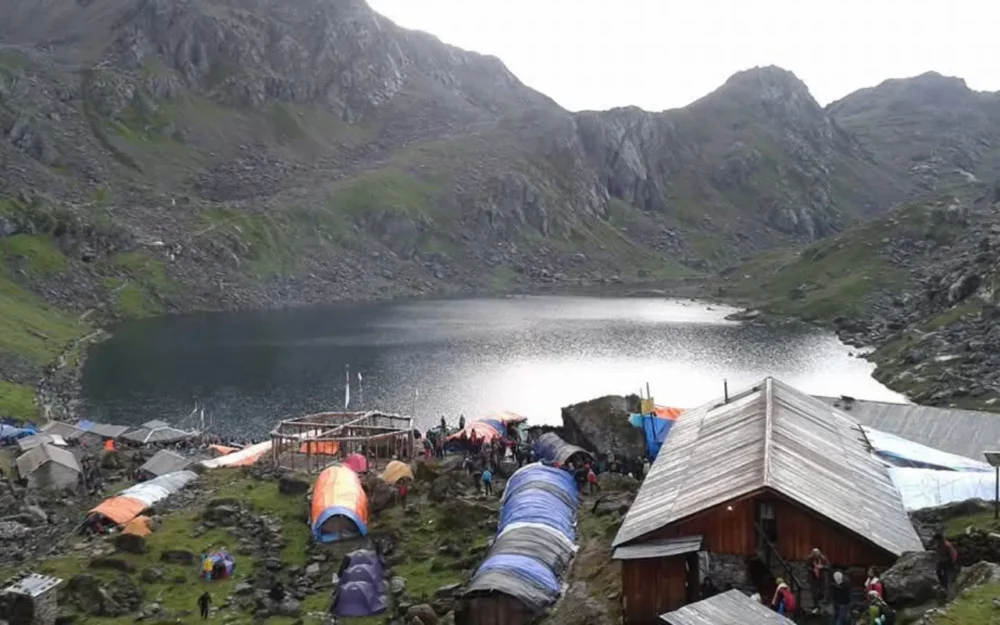
- Enjoy the revered popular Hindu and Buddhist pilgrimage spot, the sacred Gosaikunda Lake.
- Experience a broad view of the Himalayas while reaching the Laurebina Pass.
- Sample fresh and flavorful yak cheese from the cheese factory at Kyanjin.
- Spot rare animals like red pandas and snow leopards in the Langtang National Park.
- Explore the existence of the traditional Tamang villages and their peculiar culture.
- Take a rest in the peaceful village of Ghopte with mountains surrounding it.
Overview of Langtang Gosaikunda Trek
The Langtang Gosaikunda Trek is a combination of everything that nature, culture and spirituality has to offer. There are superb views of the towering peaks, Langtang Lirung, Dorje Lakpa and Manaslu and to top it all, you have great photo opportunities.
Major draw is the sacred Gosaikunda Lake, a holy pilgrimage site for both Hindus and Buddhists as it is said to be full with the spirit of a popular legend and rife with mystery and mysticism. When trekking to the lake, one crosses Laurebina Pass, and can enjoy beautiful wide views of the Himalayan range high above.
However, this is not all that visitors can expect to see, as trekkers are allowed glimpses of traditional Tamang culture and Buddhist heritage in the area, especially at the Kyanjin Gompa monastery, which, even though it is serene and calming, is equally rewarded spiritually and in the visual department.
Gosaikunda Langtang Trek offers a peaceful retreat with lush forests and alpine meadows and serene villages with the chance to sight red panda and other wildlife, bird species, and a complete experience of diverse trekking experience.
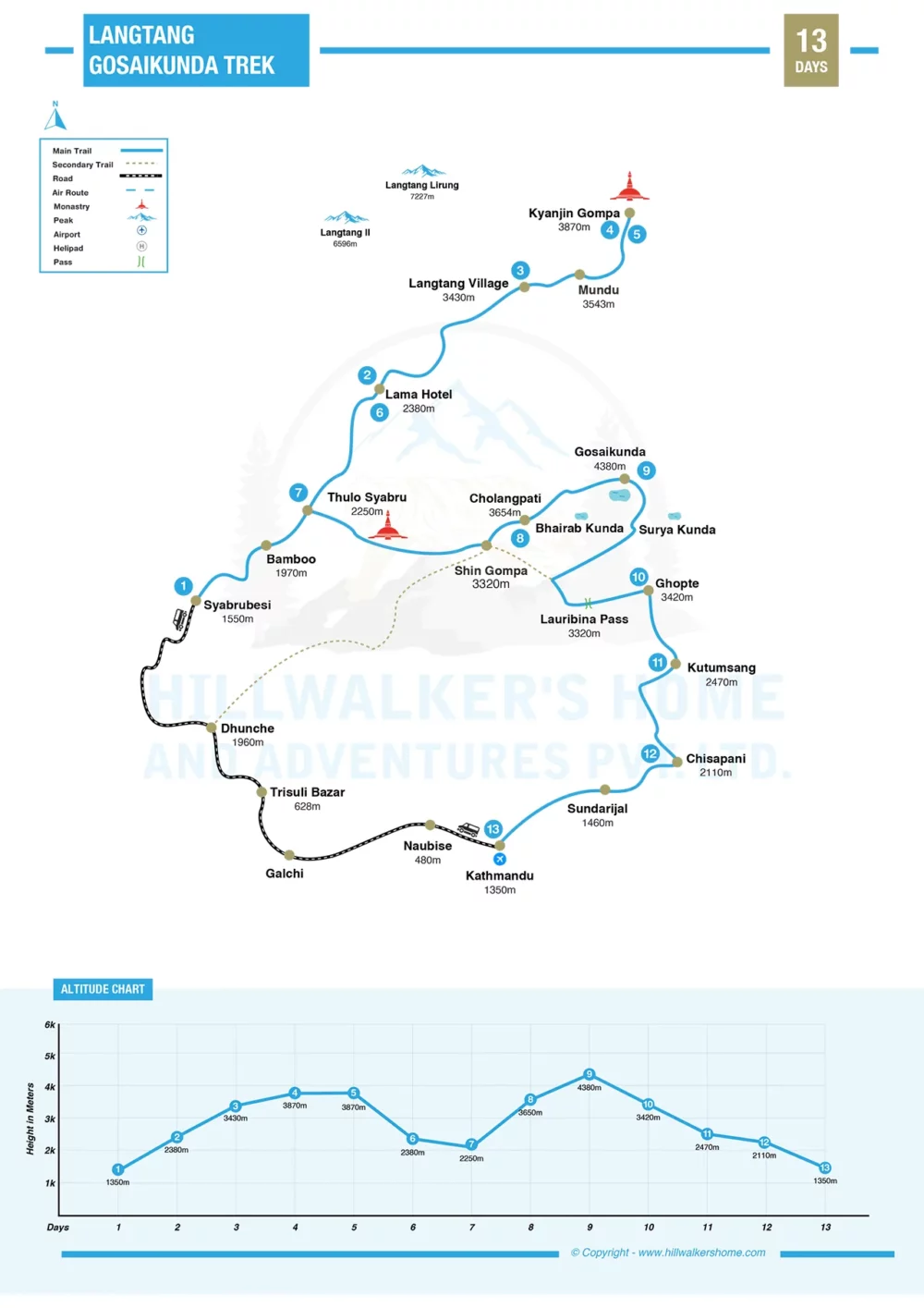
Itinerary of Langtang Gosaikunda Trek
Day 01: Drive from Kathmandu to Syabrubesi (1,503m)
The Gosaikunda Langtang Trek Itinerary starts with a beautiful drive from Kathmandu to Syabrubesi which marks the beginning of the adventure of wild beauty of Langtang Valley. Though the road is anywhere from 7 to 9 hours, it isn’t monotonous in the least.
Along the way, Trishuli comes rolling grinning through the land, it is a lively town and as soon as you pass here you remember the power of nature through the whitewater rapids of Trishuli. From town to town, you will ply through villages such as Betrawati, where life is slow and simple and in tune with nature.
While ascending higher, the huge peaks of Ganesh Himal and Langtang Lirung are visible like the silent sentinels in the distance. Once you get to Syabrubesi, the excitement to start on your dream trek is prevailing and you will rest and get ready for the days ahead.

Accommodation
Guest House
Meals
Breakfast, Lunch, Dinner
Max Altitude
1503mDay 02: Trek to Lama Hotel (2,470m)
The first steps of your trek are through quiet, richly blossomed rhododendron and bamboo forested paths. The language of the trek is the murmuring waters of the river Langtang.
Also, through tiny villages of Dojang and Rimche you will see the long traditions of Tamang peoples who live centuries in these mountains. Despite the passage of time and the efforts towards utter assimilation by those that are trying to break them, these resilient communities have remained strong in upholding the tenets of their Tibetan heritage and hospitality.
Look out also for red pandas or playful monkeys along the way. Finally, when you make it to Lama Hotel you will be dropped into a valley surrounded by towering trees and mountains, and you will have a certain peacefulness to it, a certain breathing into the wild beauty of this place.

Activity
Trek
Accommodation
Guest House
Meals
Breakfast, Lunch, Dinner
Max Altitude
2470mDay 03: Trek to Langtang Village (3,430m)
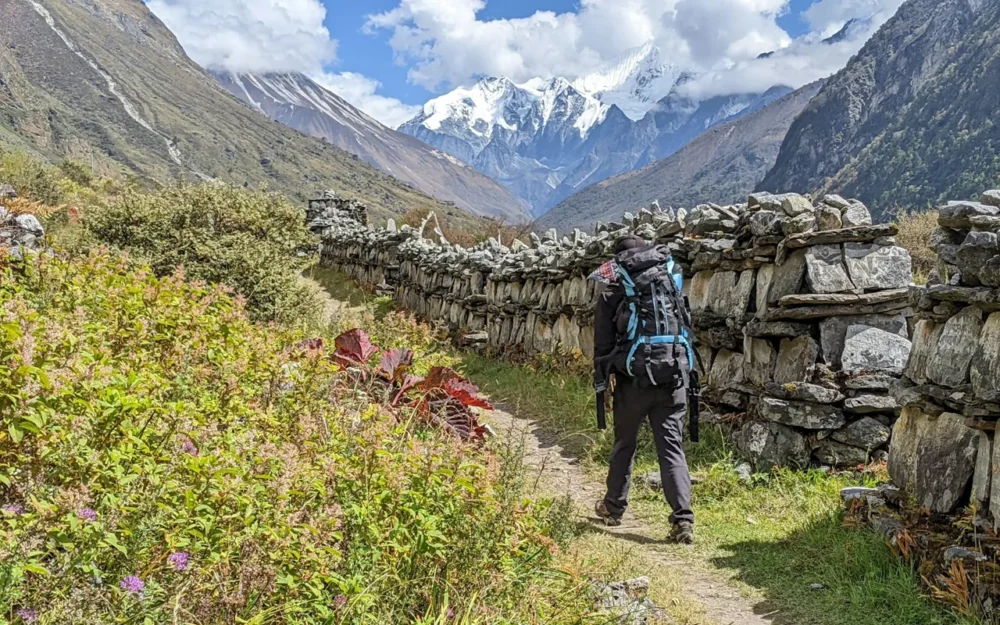
Today we set off on the day into the Langtang Village, and as we ascend the landscape changes significantly. The wide open meadows and yak pastures open up from the dense forests, and Langtang Lirung is always there to witness you.
The 2015 earthquake severely affected Langtang Village, once the largest settlement in the region, but has not managed to dampen its spirit. Whilst most of the locals were Tamang people, they have managed to build themselves homes and retain their Buddhist traditions.
Throughout the village, Buddhist monasteries are also passed and you will be able to interact with the warm hearted people whose lifestyles are defined by the mountains. Langtang is somewhere that time feels like it pauses and you cannot help but experience history, culture and nature in a way you will never forget.
Activity
Trek
Accommodation
Guest House
Meals
Breakfast, Lunch, Dinner
Max Altitude
3430mDay 04: Trek to Kyanjin Gompa (3,865m)
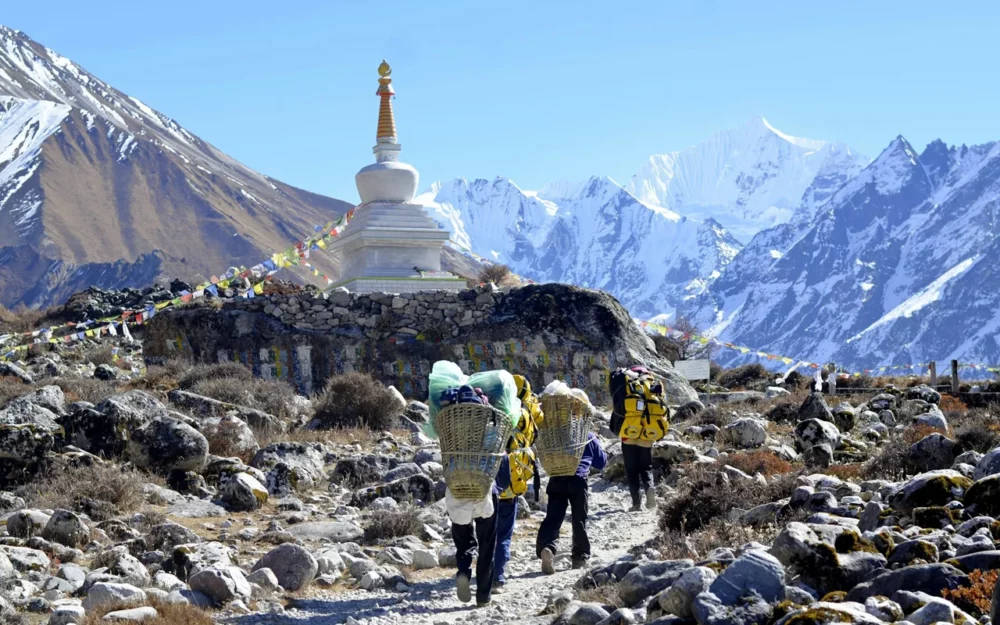
Day 4 involves a visit to Kyanjin Gompa, a Buddhist monastery at 3,865 meters that has been a place of spiritual retreat since centuries. While you are trekking from Langtang village, you will walk through yak pastures where there are the freely walking animals and the colorful meadows.
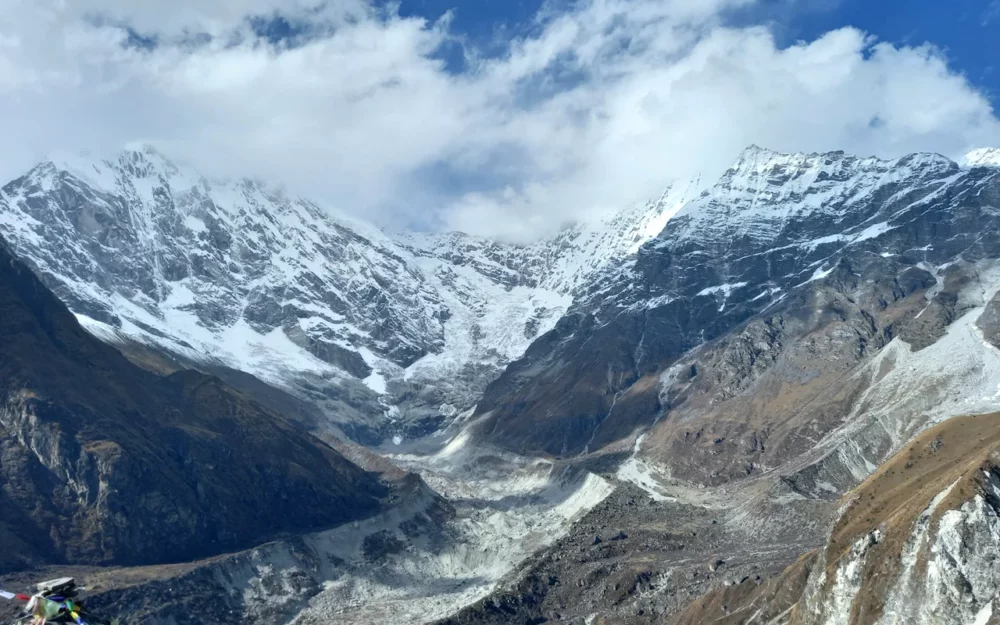
Deeper in the valley, you are accompanied by the towering peaks of Langtang Lirung and Dorje Lakpa. In Kyanjin Gompa, there is a humming of Tibetan prayers in the air and the place is a quiet reflection.
If you like hiking, you can hike to Kyanjin Ri and also to Tserko Ri, which are optional treks where you have an unparalleled experience of a beautiful sweeping view of the entire Langtang range. Don’t forget to stop by the local cheese factory where the famous yak cheese is crafted, a tasty and peculiar specialty attached to the sense of place and the dearest people in it.
Accommodation
Guest House
Meals
Breakfast, Lunch, Dinner
Max Altitude
3865mDay 05: Rest and explore around Kyanjin Gompa
Day 5 is for resting and exploring the charming serenity and beauty of Kyanjin Gompa. At 3,865 meters high, the monastery looks like a calm oasis in the heart of the Langtang Valley.
After sightseeing colorfully with yak, spend the day admiring the peaceful surroundings, the yak pastures where the animals roam freely, or find your own quiet place to contemplate and absorb its tranquil atmosphere.
The monastery since ancient times has monks chanting age-old prayers in the deep spirituality of the monastery itself and where meditations echo through the crisp mountain air.
You could also decide to hike up to Kyanjin Ri or Tserko Ri and enjoy a breathtaking panorama of the Langtang Himal and the peaks of Langtang Lirung. What better day to be back among the mountains and entrancing ourselves in the serenity of this holy place.
Activity
Rest
Accommodation
Guest House
Meals
Breakfast, Lunch, Dinner
Max Altitude
3865mDay 06: Trek back to Lama Hotel
With Day 6, you will start the return adventure as you conclude your time in the high altitude wonder called Kyanjin Gompa. The route back to Lama hotel via the trail gives visitors a chance to revisit the valley seen from a different view point and retrace their steps to dense forests and peaceful Langtang River.
The air begins to grow slightly warmer and the sounds of the river’s cascading waters follow your descent. Arriving into Rimche and Dojang once more, these quiet villages will now feel more in sync, it’ll feel like you are part of the rhythm here.
Lama Hotel will be the comfortable in the valley after a long day of trekking and is the ideal place to reflect on the incredible adventure so far.
Activity
Trek
Accommodation
Guest House
Meals
Breakfast, Lunch, DinnerDay 07: Trek to Thulo Syabru (2,210m)
On Day 7, the charming village of Thulo Syabru (2,210 mt) is the destination where you have sweeping views of the adjacent mountains, valleys, and the beautiful rhododendron forest. The landscape starts to change as you trek, the dense forest of the previous days give rise to more terraced fields and rolling hills.
Thulo Syabru is a peaceful Tamang village with a pleasant insight into the rural life of Nepal. Here, the locals are warm and friendly with a well rooted culture in Buddhism.
Besides, it is a photographer’s dream owing to the fact that the trail is accompanied by beautiful views of the Langtang and Ganesh Himal ranges through which it moves. This day is quieter, and it connects me to the people and the land.
Activity
Trek
Accommodation
Guest House
Meals
Breakfast, Lunch, Dinner
Max Altitude
2210mDay 08: Trek to Cholangpati (3,654m)
On Day 8, you trek up a bit further into the mountains, higher and higher up to Cholangpati at 3,654 meters. It moves slowly upwards through thick forest before entering the high alpine meadow and the air thinning out and becoming more jagged.
When you get to Cholangpati, the peaks of Langtang Lirung and Dorje Lakpa appear closer, you enter into the magnificent beauty of this high altitude wilderness. If you are heading for Cholangpati it is a small peaceful kind of settlement, you can escape into the lure of the mountains, with its wide views all around.
It’s a fantastic spot to stop and take in the viewing of the Himalayas before the next stage of the trek. Here, the night spent is peaceful, with all the sounds of nature around us, and faint calls of wildlife in the distance.
Activity
Trek
Accommodation
Guest House
Meals
Breakfast, Lunch, Dinner
Max Altitude
3654mDay 09: Trek to Gosaikunda Lake (4,380m)
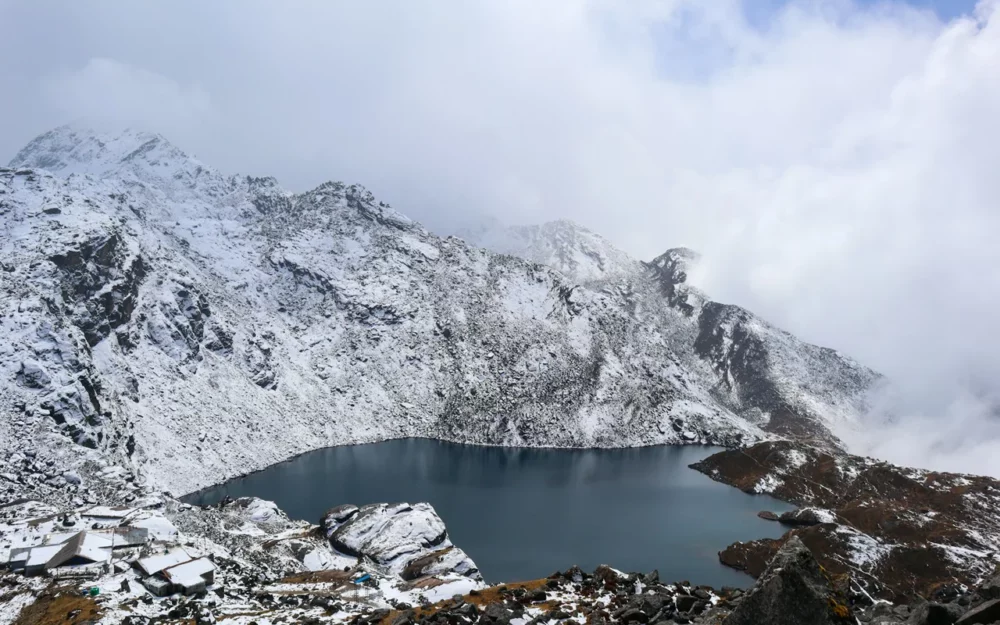
At 4,380 m, you reach the mystical Gosaikunda Lake which is a sacred destination for Hindus and Buddhists. It begins as a steady climb up rocky terrain, alpine meadows of wildflowers, also climbing.
The amazing scenery begins to unfold the closer you get to the lake. Blue water adorned by the peaks of Langtang Lirung and Manaslu, Gosaikunda holds the beauty of mystical story parables that color the blue waters of the magical lake.
Local belief is that Lord Shiva meditated here and the lake was created by his trident. Many trekkers consider it as arriving at a certain spiritual milestone where nature and mythology blend beautifully.
Accommodation
Guest House
Meals
Breakfast, Lunch, Dinner
Max Altitude
4380mDay 10: Trek to Ghopte (3,530m) via Laurebina Pass (4,610m)
One of the more challenging but rewarding days is day 10 ascending to the Laurebina Pass at 4,610 meters. You are surrounded by snow-covered peaks that rise to meet your gaze and the trail winds through a high, rugged and snowy land.
At cross pass you will be bestowed with a wonderful site of the Langtang and Manaslu range, their towering peaks standing bold and tall against the bright blue sky.
Along the way, you make your descent to Ghopte, through alpine forests and small streams, which is just as breathtaking as you come through and there is a serene and peaceful feeling. A small quiet resting place after a day of high altitude trekking with the feeling of accomplishment runs through the air here.
Accommodation
Guest House
Meals
Breakfast, Lunch, Dinner
Max Altitude
4610mDay 11: Trek to Kutumsang (2,470m)
Trek to Kutumsang (2,470m)
On Day 11 you descend to the peaceful village at 2,470 meters called Kutumsang. Toward the later part of the trek, the air grows warmer and fragrance fills the air as we descend, we trickle through lush forests and terraced fields.
The way changes as you enter through small Tamang villages, life is still the way it was before, deeply rooted in tradition and the landscape changes into a beautiful mix of greenery.
Kutumsang is a peaceful and receptive place, a pleasant place to take a break and remember where you have come from. Local villagers may even be seen working in the fields or taking a break in the cool mountain breeze. At the end of day trekking, this charming village will be appreciated by its tranquil beauty.
Accommodation
Guest House
Meals
Breakfast, Lunch, Dinner
Max Altitude
2470mDay 12: Trek to Chisapani (2,295m)
On Day 12 you are taken to the small village of Chisapani at 2,295 m which is the perfect stop before your trek ends. Leaving Kutumsang, the trail continues up a magnificent trail through dense forests, the rolling hills and some sweeping views of the surrounding valleys.
Chisapani is famous for its stunning views of the majestic peaks of Langtang and Ganesh Himal range that name out in front of you. There is nothing quiet about the village itself, but the warmth of the hospitality from the people in the village can certainly bring a sense of peace. As you get to the end of the trek, it is an ideal place to sit and reflect on the wonderful adventure.
Accommodation
Guest House
Meals
Breakfast, Lunch, Dinner
Max Altitude
2295mDay 13: Trek to Sundarijal (1,380m) and drive back to Kathmandu
You will descend from Chisapani to Sundarijal, a village and well known access point of the Kathmandu Valley at 1,380 m. It follows thick oak and rhododendron forests and gives you a last view of the Himalayan foothills.
On reaching Sundarijal you are faced by the sounds and smells of the valley bustling away below. Following will be a short drive back to Kathmandu where you’ll be renewed after this outstanding trek encountering the energy and vibrancy of the city.
On the drive back is when you remember the first part of the Langtang Gosaikunda Trek, through the mountains which can be forever remembered as an adventure.
Accommodation
Hotel
Meals
Breakfast, Lunch, Dinner
Max Altitude
1380mTrip Information - Good to Know
Best Time to Do the Langtang Gosaikunda Trek
The Langtang Gosaikunda Trek is perfect during the spring season (March to May) and autumn season (September to November). This is the most stable time of weather falls during these months with clear skies, pleasant temperatures, and moderate trekking conditions.
In spring, rhododendron forests are in bloom creating a fragrant and colorful atmosphere, and, during autumn, cold air and the best sightings of the mountains.
Winter (December to February) is cold and snow covered in the high areas, and some trails are blocked by snow. On the other hand, the monsoon season (June to August) should be avoided because it is a time of heavy rains accompanied by landslides and slippery trails.
So, spring and autumn seasons are most suitable and widely considered as optimal seasons for the Langtang and Gosaikunda Trek, where one can enjoy the best of nature and comfortable trekking.
Difficulty Level and Physical Preparation
Langtang Gosaikunda Trek is a moderate to challenging trek. It has a lot of ups and downs, particularly getting up to Gosaikunda Lake (4,380m) and over Laurebina Pass (4,610m).
Hiking days will be long and varied terrain, steep ascents and rocky hikes will be expected. The trek itself does not demand technical climbing skills, for example you do not need rock climbing skills, but you do require good physical fitness to get through the altitude and long days of walking.
The training should be on stamina, leg strength and endurance. Cardiovascular exercises, hill walking and strength training, before your trek will prepare the body to meet the physical demands. To enjoy and make that adventure possible, a proper fitness regimen plus mental readiness is necessary.
Altitude Sickness and Acclimatization
On the Langtang Gosaikunda trek, you will be subject to Altitude sickness because the trek route can cross above heights of 3,500 meters. It is important to give time for acclimatization so as not to get altitude related illnesses such as headaches, dizziness and nausea.
The ascents are steady and the itinerary includes rest days so your body can gradually adjust to the diminishing oxygen levels (for instance at Kyanjin Gompa). The effective methods to fatigue at altitudes are to drink plenty of water, eat well, and not to rush.
If symptoms continue to persist, then it is necessary to descend rapidly to lower elevations. As a preventative medication, use of Diamox (acetazolamide) sometimes may be prescribed, but always check with your doctor first. One needs to stay vigilant and respect your body’s limits for a safe and successful trek in high altitudes.
Cultural Experience and Local Hospitality
Along with the landscapes, Gosaikunda Langtang trek is rich in culture and it runs through the heartland of the Tamang communities. Tamang have remained Buddhists and intimately associated with Tibetan traditions and the trek provides a window to their peculiar way of life.
Local handicrafts, lessons on traditional farming methods and colourful cultural traditions are all immersed in villages like Langtang, Thulo Syabru and Chisapani. Buddhist monasteries like the Kyanjin Gompa and prayer flags line the land and you will get a chance to see Tamang rituals and talk to the families.
Locals have a warm sense of hospitality and the trekkers are offered a feeling of being away from home. Local tea houses offer an authentic experience, affordable food, simple but delicious meals and glimpse into the area’s traditions.
Wildlife and Nature in the Langtang Region
The Langtang region is a biodiversity hotspot, there is a wealth of wildlife in the area as well as incredibly varied landscapes.
The trek takes place largely within the Langtang National Park which is a sanctuary for some rare species including the red panda, snow leopard and Himalayan tahr. It is also a birdwatcher’s paradise with many species of Himalayan griffon vulture, pheasants and mountain eagles.
The trek also serves as an immersion in the beauty of nature, a wide range of rhododendron forest, alpine meadows and high altitude lakes (sacred Gosaikunda Lake) pass by for the trekker. The region changes from dense green forests to rocky snow covered peaks with different types of terrain to satisfy the lovers of nature.
With spectacular landscape views, a wide variety of flora and well populated fauna, Langtang Gosaikunda trek is a nature lover’s delight.
Accommodation and Food
Accommodation in the form of teahouses is available throughout the Langtang Gosaikunda Trek. They are basic yet comfortable lodges for trekkers to rest, eat and sleep.
Rooms are normally simple but very clean and have shared facilities, for instance common bathrooms. And the more you climb up the mountain, the more basic the facilities, but it remains warm and welcoming.
The staples on the trek are Nepali and Tibetan food, dal bhat (a lentil soup with rice), momos (dumplings) and thupka (noodle soup). The meals are energy rich as you do long trekking days as you ascend to higher altitudes.
The variety may decrease in more elevated zones, but the food is nutritional. Yak cheese and tea are shared with the rest of the group and this is definitely a nice treat in those same ways as the dinner in Thulo Syabru was, at stops like Kyanjin Gompa you can sample really local delicacies.
Eco-Tourism and Responsible Travel Tips
The Langtang region is all about eco tourism and so responsible travel is of the essence if the place has to be preserved in all its pristine form. They strongly encouraged trekkers to do their part at least by reducing their carbon footprint and not littering and avoid disturbing the natural habitats around.
Food wrappers and plastic bottles along with what you brought in, pack out. Because tourism is such a prerequisite economic entity, visiting tea houses along the trail and buying handicrafts from Tamang people are important to support.
Travelers should also be aware not to disturb wildlife and adhere to cultural norms in villages. Be respectful of Gosaikunda Lake while trekking in the high altitude areas. Leave No Trace principles must be followed to keep the beauty and integrity of the Langtang region preserved for the climbers to come.
Permits Required
Special permits are necessary for trekking in the Langtang region. The required permits at the time are the Langtang National Park Permit and the TIMS (Trekkers’ Information Management System) Card.
The cost of Langtang National Park permit to foreigners is around NPR 3,000 for which the park permit is needed for access in the park area which is rich in biodiversity and protected areas. The NPR 1,000 TIMS card tracks trekkers’ movements for safety purposes.
However, these permits are easily available in Kathmandu through local trekking agencies or the Nepal Tourism Board. There are a number of permit fees to be paid and along with that valid id to be carried before you start the trek.
Besides, the permits also facilitate control of the tourism in the region for proper management and sustenance of the natural and cultural resources.
Travel Insurance
It is a good idea to take out travel insurance before going on the Langtang Gosaikunda Trek for safety purposes and to feel safe. It’s critical to have emergency evacuation covered, medical costs, and even trip cancellation under your cover.
Because this trek gets to high altitudes, it is important to have insurance that covers altitude related problems and repatriation in the unlikely event of serious injury or illness. Coverage for trekking equipment, lost luggage and flight delays found in some policies are important for those trekking in different parts of the world.
Make sure to check the policy details and verify that trekking up to 4,600 meters (the summit of Laurebina Pass) is covered. During trekking, it is a good idea to always carry a copy of your insurance policy, as well as have your guide and agency informed of your coverage in emergencies.
Frequently Asked Questions
How do I get to the starting point of the Langtang Gosaikunda Trek?
Starting from Syabrubesi, which can be reached by road from Kathmandu. The driving distance depends on road conditions, it usually takes 7 to 9 hours by private jeep or public bus. With hills, rivers and houses of the rural villages, the drive is scenic.
Is altitude sickness a concern on the Langtang Gosaikunda Trek Itinerary?
Yes, altitude sickness is possible since trekking takes you to elevations higher than 4,000 meters. Proper acclimatization and slow ascent, particularly to around Kyanjin Gompa and to Gosaikunda, can reduce the risk.
Do I need a guide or porter for the Langtang Gosaikunda Trek?
Solo trekking is not permissible, and it is sensible to hire a licensed guide or a porter for security reasons, navigational help and cultural enlightenment. It also supports the local economy besides that.
What kind of gear should I pack for this trek?
The most vital gear is clothes to tackle changing weather, a pair of trekking boots, a sleeping bag, trekking poles and a first aid kit. Purification tablets and a refillable water bottle should not be forgotten.
Are there ATM or Wi-Fi facilities on the Langtang Gosaikunda Trek Itinerary?
There are ATMs only in Kathmandu, so you want to withdraw sufficient cash when starting. Some tea houses have Wi-Fi for which you will have to pay a small fee, however the signal is weak especially at higher altitude.
Is the Langtang region safe for trekking after the 2015 earthquake?
The area rebounded a lot and trails were rebuilt. To assist local communities to continue rebuilding their livelihoods, local tourism is also encouraged.
Trip Reviews
 Write a Review
950 US$
Group Discount Price
-
1 -
1 person
US$ 1000
-
2 -
5 people
US$ 950
-
6 -
10 people
US$ 900
-
11 -
16 people
US$ 900
-
17 + people
9999
US$ 850
Total Cost:
US$ 1000


How to book a trip?

make free inquiry

