



Trip Duration
14 Days
Group Sizes
1-16 People
Transportation
Land Transportation
Destination
Nepal
Max. Altitude
5,416m. / 17,769ft.
Activities
- Trekking

Difficulty
Difficult
Meals
- 13 Breakfast
- 12 Lunch
- 12 Dinner

Accommodation
- Hotel
- Guest House
Trip Highlights
- Enjoy viewing different types of scenery because the route changes from lowland jungles to high mountain deserts.
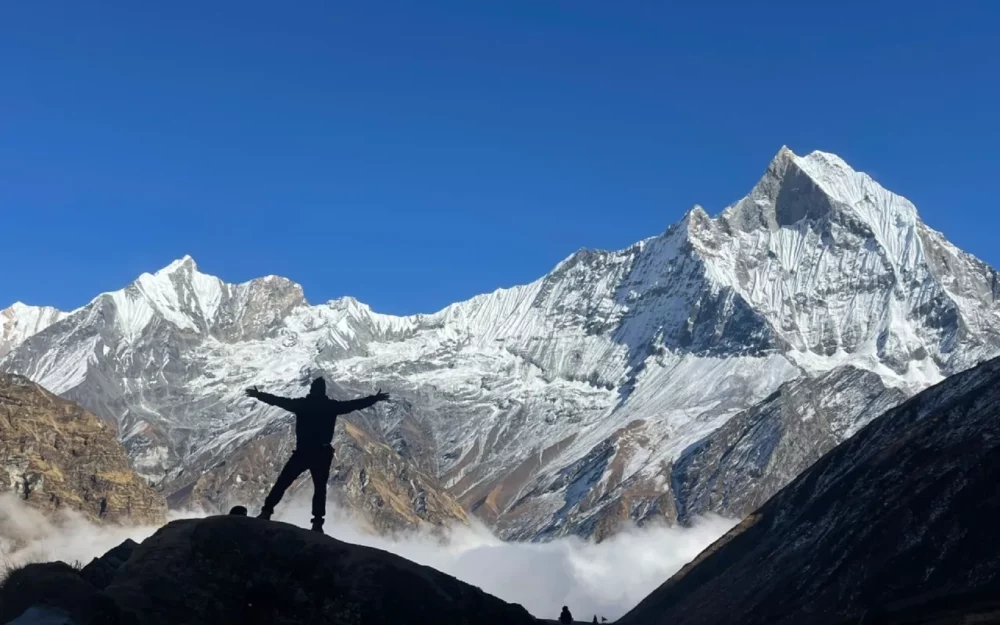
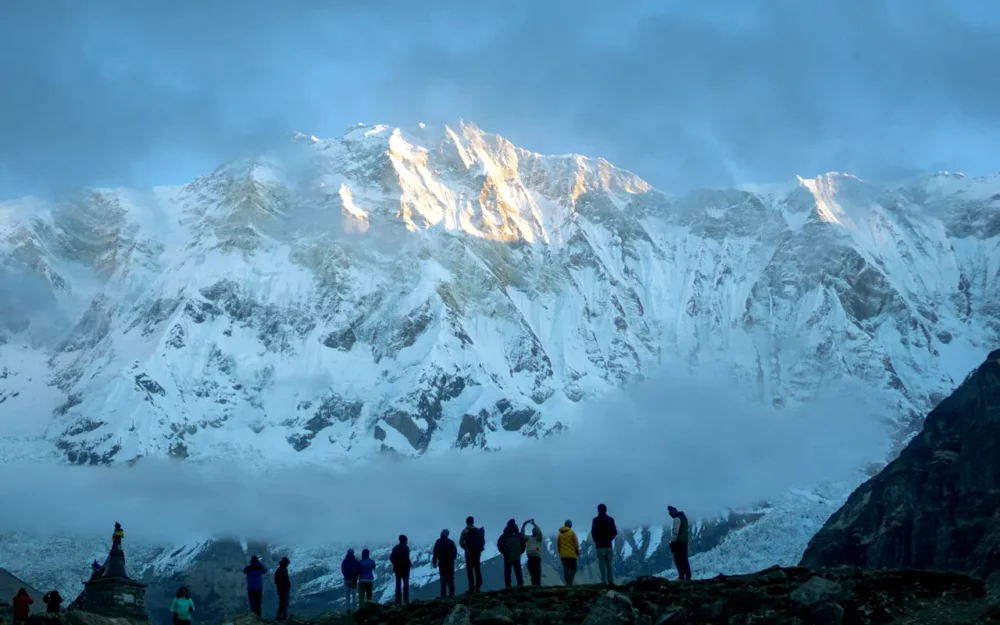
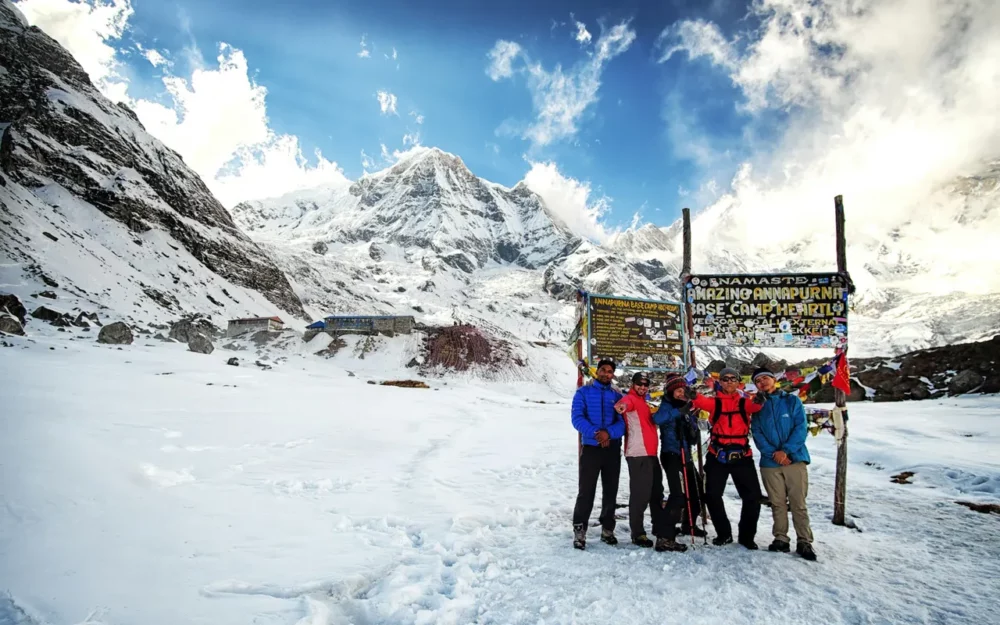
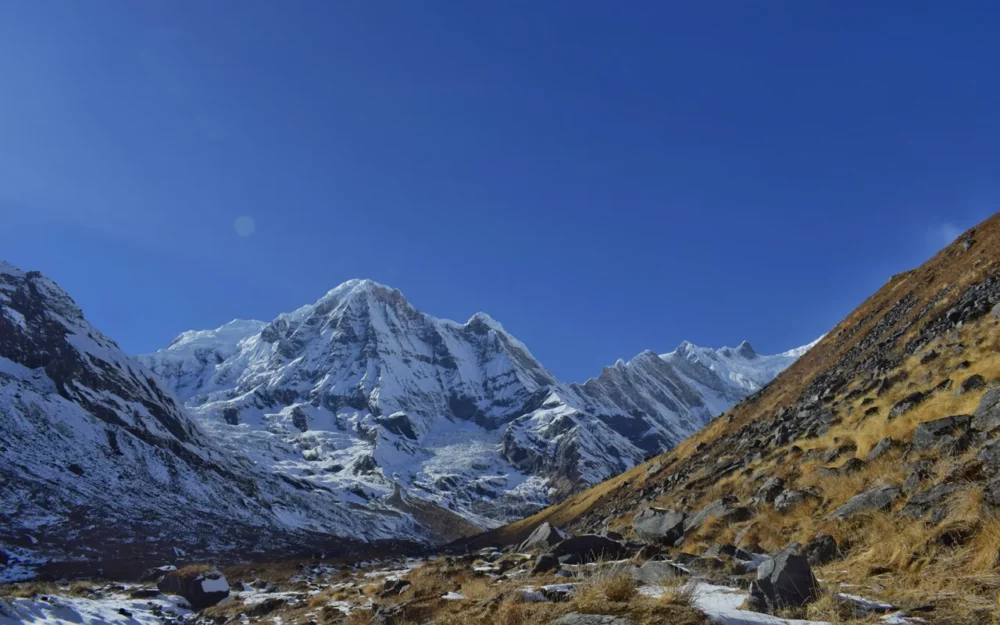
- Experience magical sceneries of the Annapurna, Machhapuchhre and Dhaulagiri mountain ranges from your vantage point.
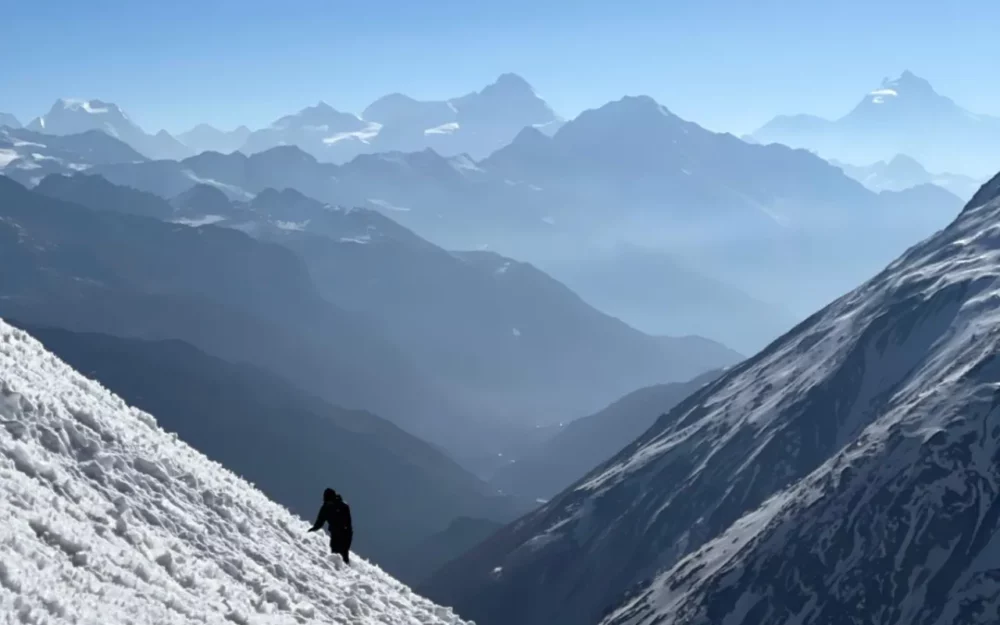
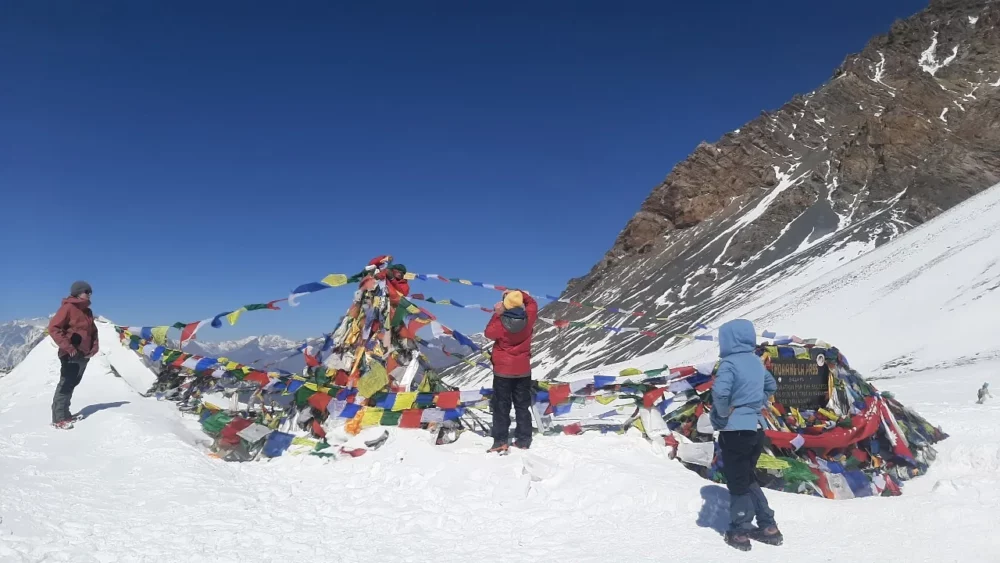
- Experience the magnificent Thorong La Pass summit (5416 meters) with complete mountain views.
- See the authentic way of life in Ghandruk and Marpha when you meet local Gurung and Thakali people.
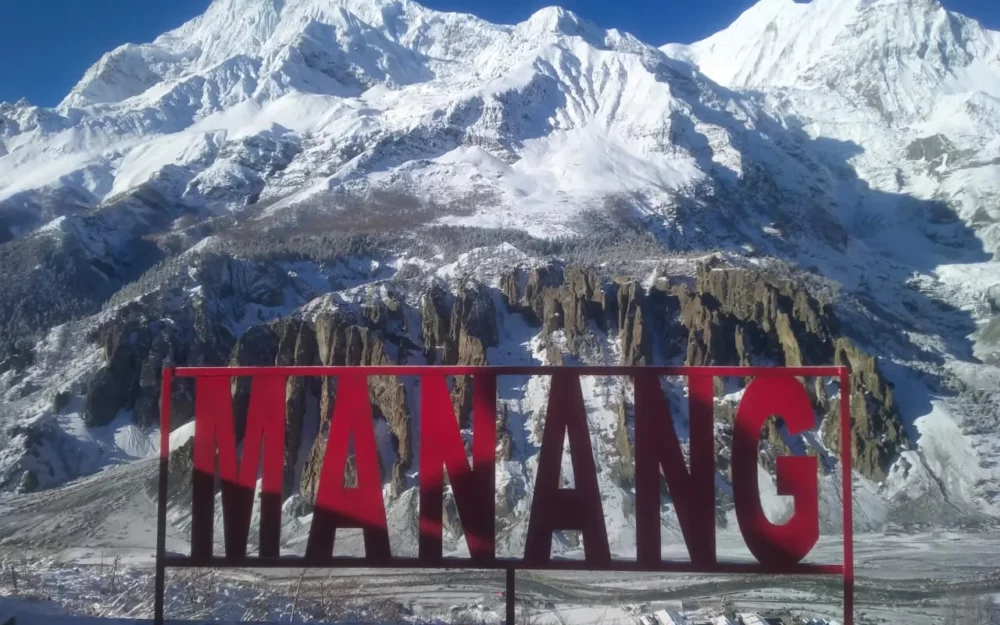
- See sacred temples of Tibetan Buddhism at both Manang and Muktinath where you can deepen your spiritual connection.
- Relax in the hot springs at Tatopani after a demanding trekking day.
- Admire the holy Muktinath Temple as both Hindus and Buddhists make pilgrimages here.
- Walk through woodland filled with blooming rhododendron plants and several plant and animal species.
Overview of Annapurna Circuit Trek
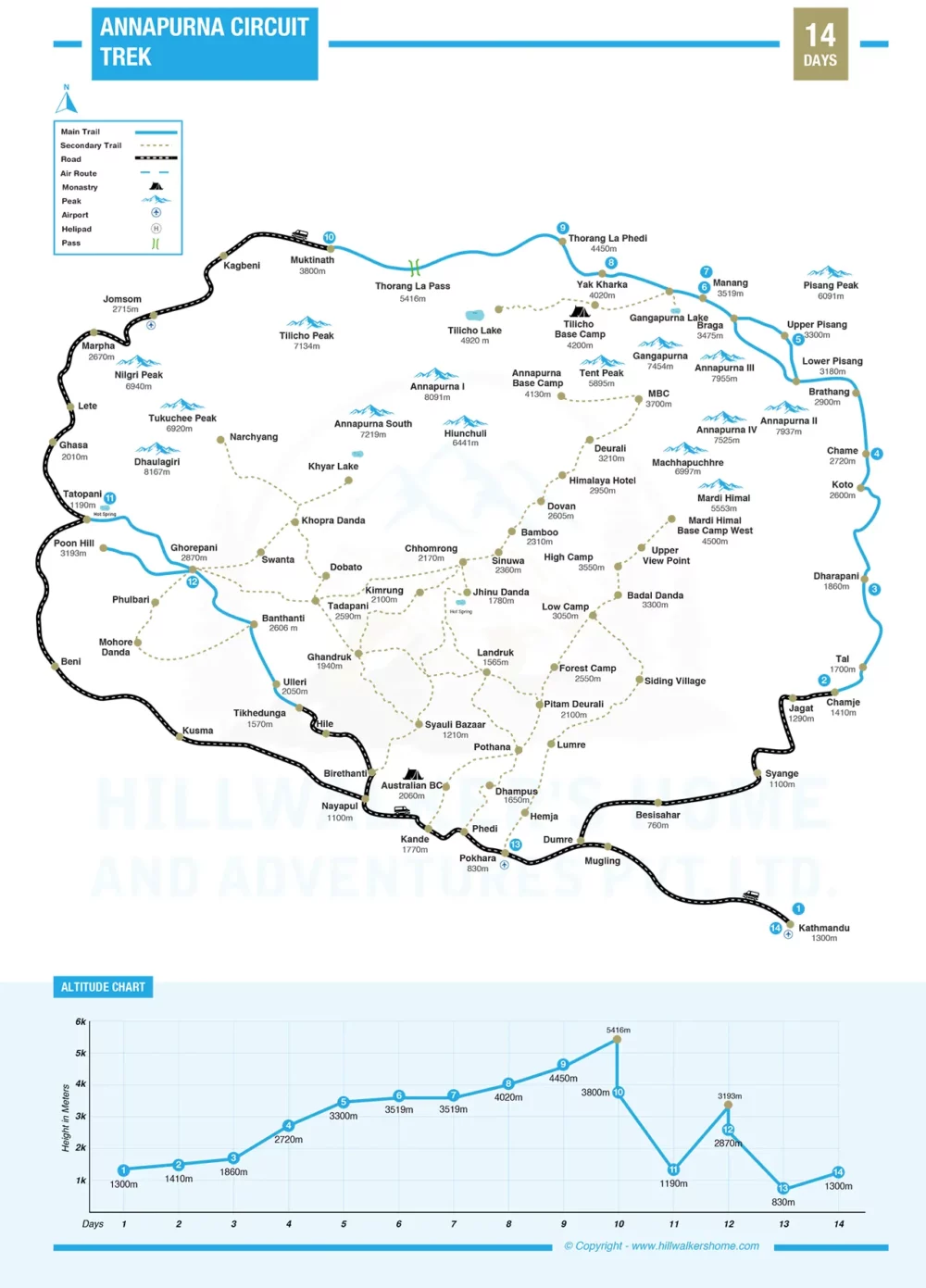
Annapurna Circuit Trek 14 Days is one of the world’s best trekking paths because it offers you both stunning views and exciting mountain adventures. The Annapurna Circuit stretches from 160 to 230 kilometers in length as it loops around the Annapurna range.
Hikers encounter different environments that change from tropical forests and rice fields to high-altitude alpine areas and Tibetan-desert landscapes in Manang and Mustang.
Passing through Thorong La Pass at 5,416 meters tops the trek by providing both a certified test and powerful sense of achievement. Throughout the trek, people encounter Hindu settlements in lower valleys while passing through Buddhist lands that include historic monasteries and prayer flags.
The standard Annapurna Circuit Trek Itinerary runs from Besisahar to Pokhara where hikers can choose between taking 12 and 18 days depending on their plans to reach eventual destinations such as Tilicho Lake and Poon Hill. Travelers will normally stay in simple tea houses and can try well-prepared dining options.
The trek walk becomes a profound cultural pilgrimage exploring diverse landscapes and biodiversity of one remarkable Earth heritage area. Going through the required steps prepares everyone to experience a transformational adventure into the mountains.
Itinerary of Annapurna Circuit Trek
Day 01: Arrival in Kathmandu
Welcome to Nepal. After landing at Tribhuvan International Airport our representative will meet you first to help. Right after collecting your bags we will transport you to your hotel for relaxation.
Take some early arrival time to explore Thamel downtown or nearby stupa sites. We will start our evening by undergoing important trek information from our guide and team members.

Accommodation
Hotel
Meals
Lunch
Max Altitude
1350mDay 02: Drive to Chamje
Our Annapurna Circuit Trek Itinerary starts us from urban life towards magnificent mountain scenery once breakfast has ended. The vehicle passes both steep mountain roads and flat valleys with rice fields and small towns along the way.
The road divides at Besisahar when we leave the main road surface behind for a rough adventure on a jeep along steep slopes and rocky hills. Our Marsyangdi River views grow spectacular on the drive to Chamje before reaching the village positioned next to its roaring waters. We find peaceful sleep at a modest tea house tonight.

Activity
Drive
Accommodation
Guest House
Meals
Breakfast, Lunch, DinnerDay 03: Trek from Chamje to Dharapani
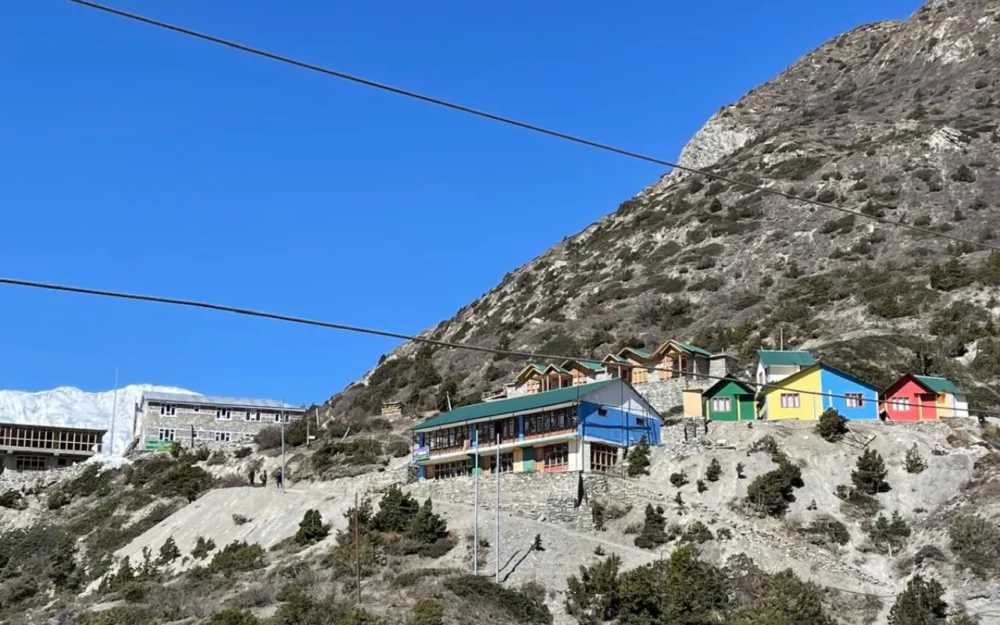
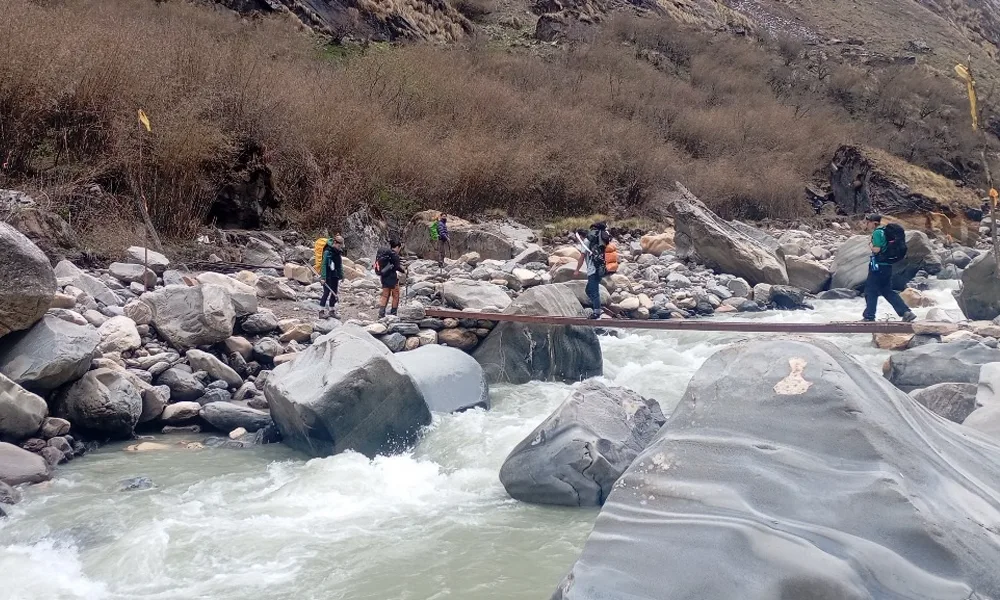
Our hiking adventure now enters its first phase. The route features calm forest walks and suspension bridge crossings followed by Marsyangdi River and waterfall sightings. From here the trail ascends through successive slopes until it reaches the village of Tal where large river crossings and pastel-colored houses line the way.
Our day continues with a smooth walk from lunch to Dharapani where you can enjoy tranquil settings and gorgeous views. This section offers a tasteful welcoming experience to new trekkers. You will relax and unwind by resting in the teahouse overnight.
Activity
Trek
Accommodation
Guest House
Meals
Breakfast, Lunch, DinnerDay 04: Trek from Dharapani to Chame
Each morning begins with clean mountain air and breakfast before entering the forest. The hike takes us through natural rhododendron areas on peaceful alpine routes as we walk past local homes in Bagarchhap and Danaque.
Our trip will pause at Timang for tea breaks while we enjoy the Manaslu mountain views. The village of Chame welcomes us with prayer wheels and warm Nepalese etiquette after lunch through Koto. Time to rest and refuel!
Activity
Trek
Accommodation
Guest House
Meals
Breakfast, Lunch, DinnerDay 05: Trek from Chame to Upper Pisang
We depart from Chame to explore the stunning part of our trekking adventure. The trail leads us through pine-covered hills until we reach high cliffs including the impressive Paungda Danda rock formation.
We walk past apple farms and apple juice stalls at Bhratang before crossing two suspension bridges. The air becomes more rare and the surrounding mountains reveal their grandeur at increasing altitudes. Ascending to Upper Pisang treats us to the sight of Annapurna II while showing us a town full of cultural heritage.
Activity
Trek
Accommodation
Guest House
Meals
Breakfast, Lunch, DinnerDay 06: Trek from Upper Pisang to Manang via Ghyaru
Facing the route today pushes your mental and physical strength but it gives you unforgettable rewards. Our trail leads us uphill through Ghyaru and Ngawal while bringing us spectacular sights of the Annapurna peaks along the pathway.
Our breaks need to occur regularly since they serve dual purposes of respiration and stunning appreciation. Our walk goes past traditional shrines and religious markers before bringing us to Manang one of the busiest alpine towns with two night stays ahead. The scenery here develops the characteristics of Tibetan plateaus with its bare yet incredible features.
Activity
Trek
Accommodation
Guest House
Meals
Breakfast, Lunch, DinnerDay 07: Acclimatization Day in Manang
Your goal for today is to prepare your body for its adaptation to high altitudes. However we must remain active on our rest day. When you finish eating breakfast you have many short trail choices such as moving to Gangapurna Lake or heading to Chongkor Viewpoint for spectacular Annapurna III and Tilicho Peak views.
Take the opportunity to discover Braga Monastery which stands on a cliff above the valley. Return to Manang to experience local coffee shops and bakeries while meeting both the villagers and other trekkers. Taking a break in Manang is crucial to prevent further risks on our trip.
Activity
Rest
Accommodation
Guest House
Meals
Breakfast, Lunch, DinnerDay 08: Trek from Manang to Yak Kharka
The way to Yak Kharka starts as we depart from the easy life of Manang to conquer wild terrain. The path enters alpine ground as it moves upward while all trees vanish and smaller bushes and tough grasses take their place.
Our group crosses wooden bridges over icy waterways as we pass grazing yaks during this section. Our movements take more time at this elevation but staying calm and drinking liquids properly helps us. Yak Kharka exists as a serene windblown settlement because yaks roam among massive mountain ranges and endless skies.
Activity
Trek
Accommodation
Guest House
Meals
Breakfast, Lunch, DinnerDay 09: Trek from Yak Kharka to Thorong Phedi (High Camp)
Our ascent continues onward through the wild Himalayan mountains today. The trail begins its mild ascent through alpine pastures and wooden bridge crossings. Smooth stepping is needed due to potential landslides and rocky terrain alongside yaks at their pastures.
The drive lasts 3 to 4 hours until we find Thorong Phedi which stands in an exposed position below Thorong La. Those in good condition and ready to go can continue up the steep trail to High Camp in one hour. Before sunset we prepare for bed while enjoying the night stars ahead of our challenging upcoming ascent.
Activity
Trek
Accommodation
Guest HouseDay 10: Trek from High Camp to Muktinath via Thorong La Pass
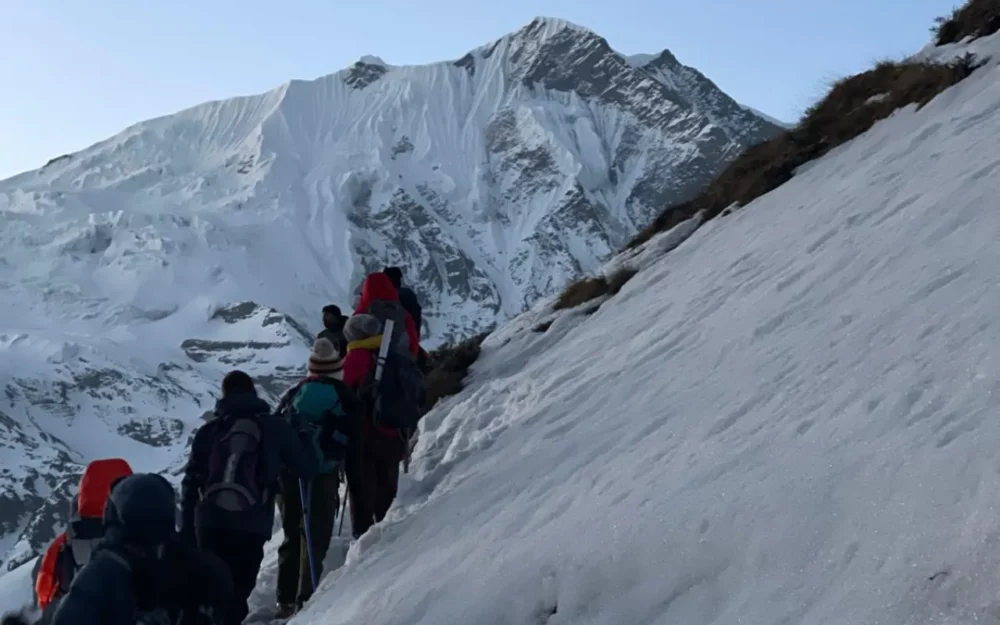
This is it, the big day! At dawn our headlamps lead us uphill as we commit ourselves to reach Thorong La Pass which stands as the tallest point on this trek. The uphill challenge in reduced air quality brings significant satisfaction.
Following 4 to 6 hours of hiking we arrive at our summit altitude of 5,416m where we encounter prayer flags and picturesque landscapes of Annapurna and Mustang. We enjoy and celebrate this moments for a while then descend from Thorong La Pass to Muktinath before we receive warm food and quality sleep.
Activity
Trek
Accommodation
Guest House
Meals
Breakfast, Lunch, DinnerDay 11: Drive from Muktinath to Tatopani
We welcome the day with quiet exploration through Kali Gandaki Valley known as the deepest gorge on earth. The path leads through picturesque areas of Kagbeni, Jomsom, and Marpha districts whose villages serve as apple orchard centers and feature pretty stone-paved streets.
The route descends into an environment that shows abundant plant life. The group’s trip stops in Tatopani during late afternoon because ‘tatopani’ translates to ‘hot water’ in Nepali language. Taking advantage of our destination we go first to the hot springs where we soothe our muscles in natural mineral water as the sun sets over the hills.
Activity
Drive
Accommodation
Guest House
Meals
Breakfast, Lunch, DinnerDay 12: Trek from Tatopani to Ghorepani
The hike from Tatopani to higher slopes begins as we feel recharged. The path goes up and down terraced fields and forested slopes interrupted by two small settlements Sikha and Ghara. We climb steadily through these hills at our own speed beside taking tea and local treats in breaks.
When climbing further rhododendron trees grow denser and make the hillsides colorful. Ghorepani village emerges as a lively settlement on a high ridge during evening time. We spend our evening here before walking up to Poon Hill early next morning for a sunrise that makes our hearts race.
Activity
Trek
Accommodation
Guest House
Meals
Breakfast, Lunch, DinnerDay 13: Trek from Ghorepani to Poon Hill, then descend to Tikhedhunga, and drive to Pokhara
We get up early to put on our layers for a predawn hike from Ghorepani to Poon Hill as trekkers count this stage as a top expedition experience. As the dawn breaks the mountain horizon the snowy Annapurna, Dhaulagiri, and Machhapuchhre peak shine red and orange under the sun’s rays. It’s pure magic.
Our descent from Ghorepani leads us through rhododendron forests towards Tikhedhunga before breakfast. From Pokhara we board a jeep to continue our journey to our relaxation spot at the lakeside cafés.
Accommodation
Hotel
Meals
Breakfast, Lunch
Max Altitude
822mDay 14: Drive to Kathmandu
We start our adventure home from the Phewa Lake to Kathmandu after our breakfast. From start to finish our drive captures the beauty of Nepalese valleys, hills, rivers and tiny rural settlements.
Traveling toward Kathmandu creates more vehicles and brings back fond memories of our legendary trek accomplishment. Enter your hotel room after Kathmandu arrival to celebrate your Annapurna Circuit Trek success.
As you complete your memorable adventure, shopping on Thamel streets and taking a quiet restaurant meal marks the best way to end your remarkable experience.
Activity
Drive
Accommodation
Hotel
Meals
Breakfast, Lunch
Max Altitude
1350mTrip Information - Good to Know
Best Time to Trek Annapurna Circuit
The Annapurna Circuit Trek offers its best experience during springtime from March to May with autumn months from September to November as the alternate option.
During these seasons the Annapurna Circuit trail stays dry and clear with ideal temperatures between 15°C and 20°C at lower altitudes. Statistics from Nepal Tourism Board show October provides ideal trekking weather because visitors can see distant peaks after the monsoon period during this month.
During spring rhododendrons bloom and sunlight lasts longer while the autumn season remains equally enjoyable with clearest of views.
In winter December to February snowfall becomes deep enough to make Thorong La Pass (5416 meters) dangerous and often impossible for navigation. Heavy monsoon rainfall leads to landslides and trail difficulties below Manang during June to August.
Autumn and spring represent the optimal time period for trekking since both weather conditions and safety levels are beneficial.
Difficulty and Fitness Level of Annapurna Circuit Trek
The Annapurna Circuit Trek 14 Days demands good physical fitness and trekking experience at high altitudes while offering hikers a moderate to challenging challenge.
Trekkers take on a path from 160 to 230 kilometers throughout 12 to 20 days and walk for 5 to 7 hours each day. The Nepal Himalayan Rescue Association suggests hikers need 4 to 6 weeks of aerobic conditioning before starting their Annapurna Circuit trek.
From all the trekking sections the most demanding section is climbing Thorong La Pass due to its steep slopes at high altitude. The trail features gentle slopes but you must be physically prepared for the advanced hiking through different terrains and high elevation.
The trek becomes manageable for active beginners through constant elevation training and they should still book a porter or guide for additional help.
Altitude Sickness and Acclimatization
The Annapurna Circuit Trek 14 Days passes through dangerous AMS territory starting at 2,500 meters up to 5,416 meters at Thorong La. People who travel these paths will experience headaches, stomach issues, dizziness, and tiredness.
The Himalayan Rescue Association runs a healthcare program in Manang to help serve the needs of trekkers. Medical investigators suggest climbers should reach climbing heights up to 500 meters every day while taking rest days for the acclimation process, especially at Manang’s altitude (3,540m).
Hydration techniques teamed with slow walking and abstaining from alcohol will help prevent AMS which may be reduced with Diamox medicines. Those who develop HAPE/HACE symptoms need to go down from their current altitude right away. Research shows that taking one or two acclimatization days helps achieve safe hiking goals.
Annapurna Circuit Trek Essential Permits
For Annapurna Circuit trekking you must obtain the Annapurna Conservation Area Permit (ACAP) and Trekkers’ Information Management System (TIMS) card.
Foreigners must pay NPR 3,000 to secure this permit which benefits conservation programs. Every trekker needs the TIMS card at NPR 2,000 which tracks safety by monitoring location. Find the necessary permits at either the Nepal Tourism Board location in Kathmandu or Pokhara.
Pack passport photos and bring your copy of your passport as you travel. You must present your permit cards when crossing checkpoints located in Besisahar, Chame, and Manang. You must have permits to trek as disobeying this law can lead to fines and removal from the zone.
Flora and Fauna on the Annapurna Circuit Trek
The Annapurna Circuit Trek 14 Days area displays complete biological variety because it stretches from 760 meters to 5,416 meters in elevation. The lower elevations are filled with rhododendron, oak, and bamboo woodlands while the top sections are covered with juniper plants and alpine grasslands.
During March and April seasonal rhododendrons turn the mountain slopes colorful red. The mountain slopes remain home to Himalayan tahr and langur monkey species while spotted blue sheep and snow leopards are seen only in remote areas.
Himalayan Monal (Danphe) stands as Nepal’s national bird which birdwatchers commonly find during their visits. ACAP protects the largest percentage of this region under its auspices to preserve its valuable natural wealth.
Cultural Experience during the trek
Along the Annapurna Circuit Trek 14 Days you can fully experience the mix of Hinduism, Buddhist and Tibetan cultures in Nepal. When you walk from Dharapani to Chame you will find friendliness and hillside communities among Gurung and Magar villages.
As you climb above Manang and Upper Pisang you will find Tibetan Buddhist communities running the area. You will spot religious monasteries, prayer flags, prayer walls engraved with special mantras, and religious shrines.
People of both Hindu and Buddhist faiths come to Muktinath as a place of religious devotion. The Annapurna Circuit Trek offers travelers superior access to local culture by staying in village teahouses and exchanging stories with people from the region.
Food and Accommodation Along the Route
Teahouses serve as the main accommodation type on the Annapurna Circuit Trek route by providing quaint twin-beds rooms with common bath areas and eating spaces. Basic hotel rooms located at lower elevations include essential power outlets and heated water outlets.
Travelers have a variety of trekker-friendly dishes to choose from at each teahouse such as dal bha (lentil rice), momos, pancakes, pasta, and tea. Prices go up when you climb higher because of the expenses to move supplies while less variety becomes available for dining.
People have two ways to make their water safe for drinking through water purification tablets or by boiling water that they buy. Top hotels in Manang and Chame offer luxury while all remaining teahouses stay faithful to the real Himalayan atmosphere.
Travel Insurance for Annapurna Circuit Trek
Getting travel insurance is necessary for Annapurna Circuit trekking due to the challenging altitude and remoteness of the path. Emergency evacuation services must extend to 6,000 meters which includes coverage for Thorong La Pass at its 5,416-meter height.
World Nomads and IMG offer specific trekking insurance packages to their clients. The Himalayan Rescue Association shows high altitude evacuation numbers each season so people need travel insurance protection.
Your trip plan should consist of healthcare treatment as well as protection for canceled plans and missing luggage. The approval needed from your insurer costs $5,000 for helicopter evacuation no matter what. Make sure to always have your insurer details and documents at hand during the trip.
Frequently Asked Questions
What kind of power options are available during the trek?
Teahouses provide solar and generator power outlets for small charging fees. You need power banks due to the limited electrical access in mountain areas since lower heights provide better electric services.
How cold does it get on the Annapurna Circuit Trek Itinerary?
Climate changes both during the four seasons and from lower to higher altitudes. Temperatures at these high elevation points nightly fall under -10°C (14°F). Lower trails provide more stable warmth in their seasons of spring and autumn.
Can I use my phone on the Annapurna Circuit Trek, and what’s the network coverage like?
Phone signal is patchy. NTC and Ncell have minor phone connections in select rural areas. A number of teahouses provide Wi-Fi access but you should not rely on it to work properly.
Are there any ATMs or card payment options on the Annapurna Circuit Trek?
You can find ATMs for service only in Kathmandu and Pokhara. You must bring the right amount of Nepalese rupees in cash because the Annapurna Circuit Trek accepts only cash payments.
What kind of gear is available for rent in Kathmandu or Pokhara?
Most travel equipment can be rented including jackets, sleeping bags, trekking poles, snow grips, and backpacks in both Kathmandu and Pokhara. The available gear comes at budget-friendly rates and suits the intended trekking length.
Do I need a guide or porter for the Annapurna Circuit Trek Itinerary?
Having local guides increases safety and gives better information about remote locations. When you use porter’s their work reduces the physical strain you feel. You can choose between guided and solo trekking for this route yet solo hiking remains an option.
Trip Reviews
 Write a Review
1450 US$
Group Discount Price
-
1 -
1 person
US$ 1500
-
2 -
5 people
US$ 1450
-
6 -
10 people
US$ 1400
-
11 -
16 people
US$ 1350
-
17 + people
9999
US$ 1300
Total Cost:
US$ 1500


How to book a trip?

make free inquiry

